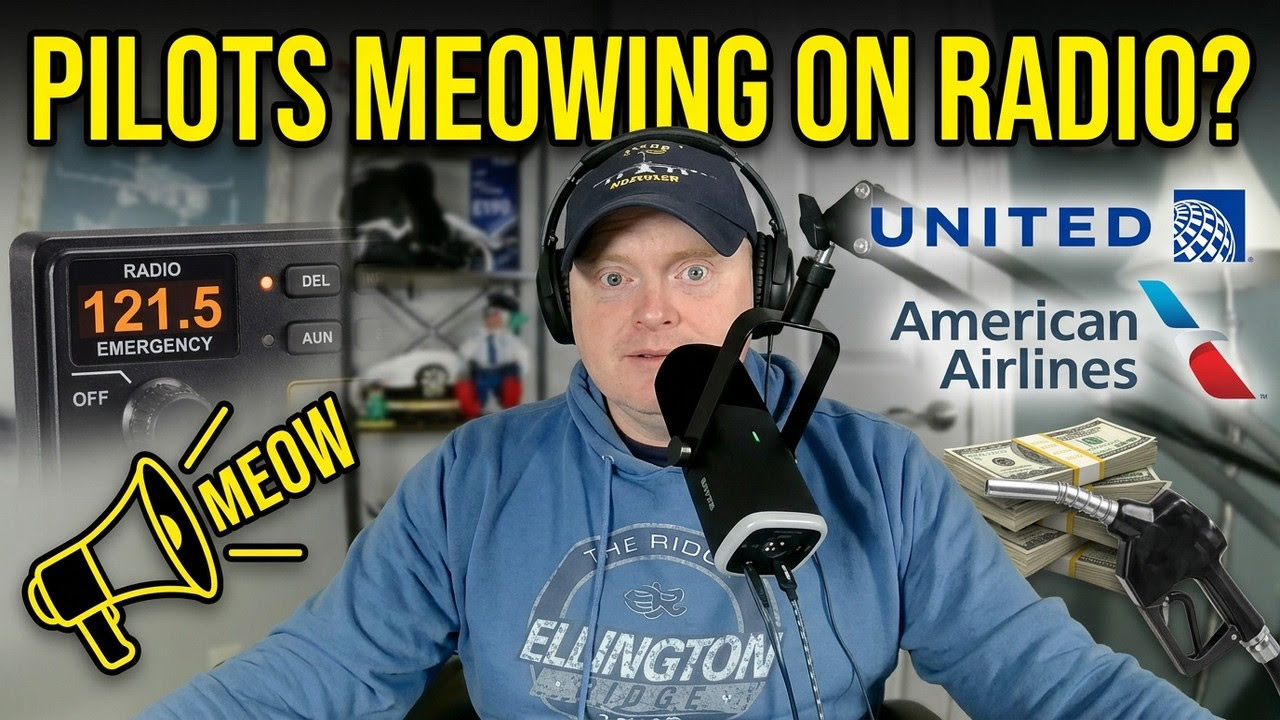
The 'Meow' Heard Round the World: Why Radio Discipline Matters
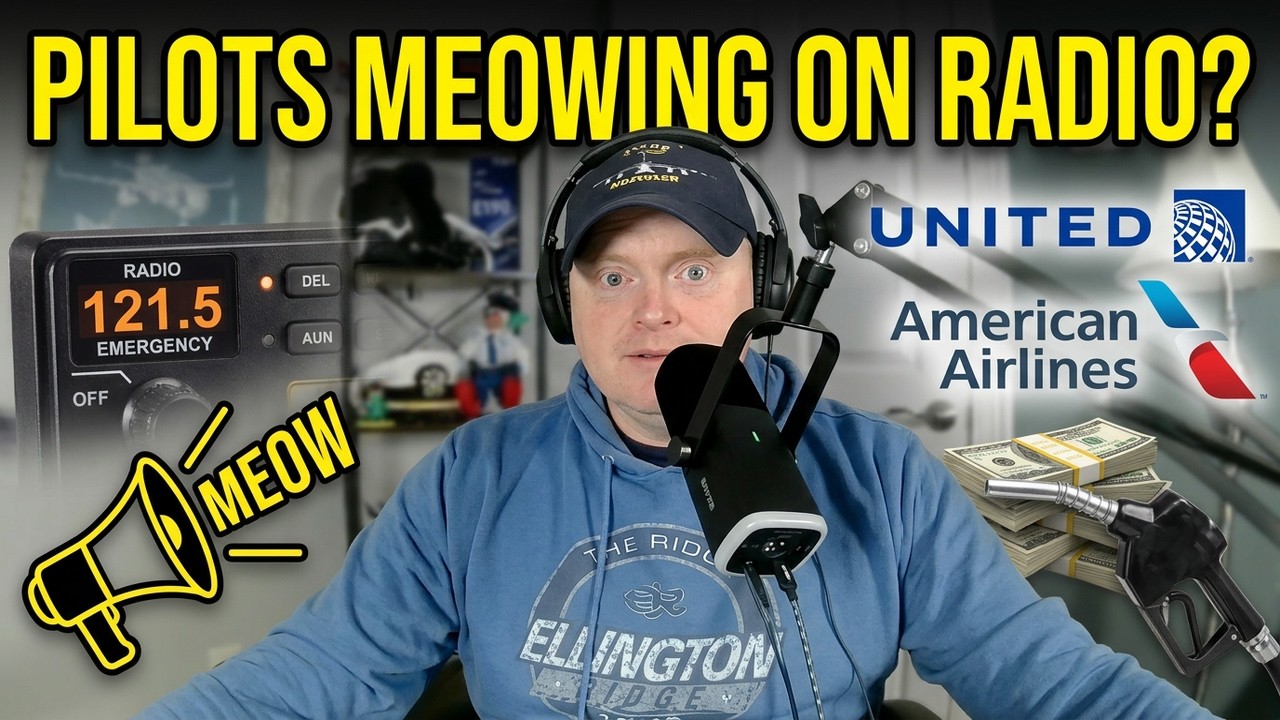
In our latest episode of The Black Box Aviation Podcast, we dove headfirst into a story that captured the internet's attention and, more importantly, highlighted a critical aspect of aviation safety: the "cats on the radio" incident. This wasn't just a funny viral video; it was a potent reminder of why adhering to strict radio discipline, especially on emergency frequencies, is absolutely paramount. In this blog post, we'll expand on that discussion, exploring the nuances of emergency communications, the implications of unauthorized transmissions, and the vital role of professionalism in the cockpit. If you haven't listened yet, I highly encourage you to check out "MEOW! Chaos on Guard & The Airline Merger Madness".
What is the 'Guard' Frequency? Understanding Emergency Communications
Before we dissect the 'meow' incident, it's crucial to understand the significance of the frequency involved. In aviation, the term "Guard" refers to a specific radio frequency designated for emergency and distress calls. In the United States, this is primarily 121.5 MHz. This frequency is monitored continuously by air traffic control (ATC) facilities, military installations, and even by other aircraft. It's the lifeline, the ultimate backup, the channel pilots turn to when they have a serious problem and need immediate assistance. Think of it as the aviation equivalent of 911, but for the skies.
This frequency is not for casual chatter. It's reserved for situations where a pilot's safety, the safety of passengers, or the integrity of the aircraft is compromised. This could include anything from an engine failure, a medical emergency onboard, a fire, a loss of communication with ATC, or even an in-flight emergency requiring immediate diversion. The urgency and importance of this channel cannot be overstated. Every pilot, controller, and aviation professional understands that a clear and open Guard frequency can mean the difference between a safe outcome and a catastrophic event.
The protocols surrounding Guard frequency usage are stringent. Pilots are trained from their very first flight lessons to only use it when absolutely necessary. The language used is precise and direct, designed to convey critical information quickly and efficiently. There's no room for ambiguity or unnecessary conversation. Every transmission on 121.5 MHz is expected to be a matter of life and death, or at the very least, a critical safety concern. This fundamental understanding is what makes the 'meow' incident so concerning.
The 'Cats on the Radio' Incident: A Deeper Dive into the Viral Event
The incident that sparked so much discussion involved pilots, specifically those flying at or near a busy airport like DCA (Ronald Reagan Washington National Airport), engaging in what is colloquially termed "monkeying around" on the Guard frequency. Instead of using the channel for its intended purpose, some pilots began making animal noises, including the now-infamous "meows." This behavior, while perhaps intended as a lighthearted prank or a test of boundaries, had significant ramifications.
What might seem like harmless fun to those involved can have a chilling effect on the entire aviation ecosystem. When the Guard frequency is filled with non-essential, disruptive audio, it creates noise pollution. This noise can drown out or obscure actual distress calls from pilots in genuine emergencies. Imagine a pilot desperately trying to declare an emergency, their aircraft in distress, only to have their transmission garbled or entirely lost amidst a chorus of animal sounds. This is not a hypothetical scenario; it's a direct consequence of irresponsible radio usage.
The viral nature of these incidents further exacerbates the problem. It can normalize such behavior and encourage copycats. When such actions are shared widely, especially on social media platforms, it sends a message that this kind of unprofessional conduct is acceptable, or even amusing. This erodes the culture of safety and professionalism that is the bedrock of aviation. It's a dangerous precedent to set, especially in an industry where every individual's actions can have far-reaching consequences.
Why Unauthorized Transmissions are More Than Just a Nuisance: Safety Implications
The core issue with unauthorized transmissions on emergency frequencies lies in their direct impact on safety. It's not merely about being annoying; it's about compromising the ability of emergency responders and air traffic controllers to effectively manage aviation traffic and respond to genuine crises. When the Guard frequency is jammed with unrelated noise, it creates a "blind spot" for critical communications.
Consider a scenario where a pilot is experiencing a sudden, severe technical malfunction. They need to immediately contact ATC or any available entity for assistance. If they try to transmit on 121.5 MHz and find it occupied by frivolous sounds, their distress call might go unheard. This delay in communication can be catastrophic. In aviation, seconds often matter. The ability to quickly relay information about the nature of the emergency, the aircraft's status, and its position is vital for rescuers to plan and execute a response. Any obstruction to this process directly increases the risk to life.
Furthermore, these unauthorized transmissions can interfere with automated systems that monitor the Guard frequency for distress signals. While the primary human element is crucial, these systems are also in place as a failsafe. Jamming the frequency can trigger false alarms or, more dangerously, prevent these systems from detecting genuine emergencies. This effectively incapacitates a vital layer of safety infrastructure.
The psychological impact on air traffic controllers and other aviation professionals should also not be underestimated. They are tasked with maintaining order and safety in a high-pressure environment. Dealing with constant frivolous transmissions on an emergency channel adds to their stress and can lead to fatigue and a diminished ability to focus on critical tasks. It erodes their confidence in the reliability of the communication channels they depend on.
Real-World Consequences: Impact on Air Traffic Control and Pilot Operations
The impact of unauthorized transmissions on the Guard frequency ripples outwards, affecting both Air Traffic Control (ATC) and other pilots. For ATC controllers, the influx of irrelevant audio can be incredibly distracting. They are responsible for managing the airspace, ensuring separation between aircraft, and guiding them safely through complex procedures. Every moment spent trying to filter out unwanted noise is a moment not spent ensuring the safety of ongoing operations.
In busy airspaces, like those surrounding major airports, the Guard frequency can become a critical backup when primary communication channels fail or become overloaded. If a pilot loses contact with their assigned controller, their immediate recourse is to try and reach someone on 121.5 MHz. If this frequency is compromised, they are effectively "lost" in the system, facing a much higher risk of encountering other aircraft or deviating from their intended flight path without guidance. This can lead to emergency situations, requiring significant resources to resolve.
For other pilots, hearing the Guard frequency clogged with nonsense is not just frustrating; it's a constant source of anxiety. They may wonder if a real emergency is being missed. This can create a sense of unease and a lack of trust in the overall system. In an industry that relies so heavily on communication and trust, this erosion is deeply concerning.
Moreover, ATC may have to expend valuable time and resources investigating these incidents. This could involve identifying the source of the transmission, issuing warnings, or even taking disciplinary action. All of this diverts attention and resources away from their primary mission of ensuring air safety. The economic cost, though difficult to quantify precisely, is certainly present in terms of personnel time and potential disruption to air traffic flow.
The FAA and FCC's Role in Maintaining Radio Discipline
The Federal Aviation Administration (FAA) and the Federal Communications Commission (FCC) are the primary regulatory bodies responsible for overseeing aviation communications and ensuring radio discipline. The FAA sets the standards for aviation operations, including communication protocols, while the FCC regulates the use of radio frequencies to prevent interference.
Both agencies take unauthorized transmissions on emergency frequencies very seriously. The FAA has regulations in place that prohibit interference with radio communications, and violations can lead to significant penalties, including fines and suspension or revocation of pilot certificates. The FCC also has strict rules regarding the use of the radio spectrum, and interfering with critical frequencies like 121.5 MHz is a clear violation.
When incidents like the "cats on the radio" event occur, both agencies are likely to investigate. They will work to identify the responsible parties and take appropriate enforcement actions. This can involve tracking down the aircraft from which the transmissions originated, reviewing ATC recordings, and interviewing witnesses. The goal is not just to punish individuals but to deter such behavior from happening again and to reinforce the importance of adhering to regulations.
These investigations can be complex, especially if the transmissions are brief or occur in a busy airspace. However, the commitment of these agencies to maintaining the integrity of aviation communications remains strong. They understand that a lax approach to radio discipline can have devastating consequences, and they are dedicated to upholding the highest standards of safety and professionalism.
Beyond the Meows: Other Forms of Radio Interference and Their Dangers
While the "meow" incident gained notoriety due to its viral nature, it's important to remember that unauthorized transmissions and radio interference come in many forms. These can range from accidental microphone activations to deliberate jamming or even the use of illegal transmitting devices.
Accidental activations, while less malicious, can still cause significant disruption. Pilots are trained to ensure their microphones are off when not in use, but in a high-stress environment, mistakes can happen. These accidental transmissions can still tie up valuable airtime and potentially obscure important communications.
More concerning are deliberate acts of interference. This could include individuals or groups intentionally broadcasting noise or false information on aviation frequencies to disrupt operations. The motives behind such acts can vary, from mischief to more sinister intentions. Regardless of the motive, the outcome is the same: a direct threat to aviation safety.
There are also instances of individuals using unauthorized or improperly modified radio equipment that can inadvertently cause interference. This highlights the need for pilots and aviation enthusiasts to ensure they are using equipment that is certified and operated in accordance with all regulations. The complexity of the radio spectrum means that even minor deviations can have significant ripple effects.
Each of these forms of interference poses a unique challenge, but they all underscore the same fundamental principle: the radio spectrum, especially for aviation, is a shared and critical resource that must be treated with the utmost respect and discipline. The consequences of failing to do so are consistently dire.
Maintaining Professionalism in the Cockpit: The Importance of Radio Etiquette
At the heart of preventing incidents like the "meow" phenomenon is the concept of professionalism and radio etiquette. Pilots are held to a high standard of conduct, and their communication practices are a significant part of that. Radio etiquette is not just about following rules; it's about embodying a culture of safety, respect, and responsibility.
This includes a number of key principles: speaking clearly and concisely, using standard aviation phraseology, ensuring the microphone is off when not speaking, and most importantly, understanding the appropriate use of each radio frequency. The Guard frequency, as we've discussed, is reserved for emergencies. Any other use is a breach of professional conduct and a potential safety hazard.
The aviation industry is a close-knit community, and the reputation of pilots and airlines is built on trust and competence. Engaging in unprofessional behavior on the radio, especially on critical frequencies, can damage not only an individual's career but also the reputation of their employer. It suggests a lack of seriousness and attention to detail, qualities that are antithetical to safe flight operations.
Aviation training programs and recurrent checkrides are designed to instill these principles of professionalism. However, as the "meow" incident demonstrates, continuous reinforcement and a strong emphasis on the underlying safety rationale are essential. It's not enough to simply know the rules; pilots must internalize the reasons behind them and understand the profound impact their actions can have on the wider aviation system.
Conclusion: Lessons Learned from the 'Meow' Heard Round the World
The "cats on the radio" incident, while seemingly trivial to some, served as a powerful and viral reminder of a fundamental principle in aviation: the absolute necessity of radio discipline. In our latest podcast episode, "MEOW! Chaos on Guard & The Airline Merger Madness," we dissected this event and its implications, and this blog post has further elaborated on the critical importance of understanding and respecting aviation communication protocols. The Guard frequency, 121.5 MHz, is not a playground; it is a vital lifeline for pilots in distress. Unauthorized transmissions, no matter how lighthearted they may seem, can have severe consequences, hindering emergency response and jeopardizing lives. The FAA and FCC are vigilant in enforcing regulations, but ultimately, the responsibility for maintaining radio discipline rests with every individual who operates in the airspace. Let this viral "meow" be a lasting lesson on the seriousness of our communication channels and the unwavering commitment to safety that defines professional aviation.