Runway Incursions: More Common Than You Think?
Welcome back to the blog, aviation enthusiasts! In our latest episode of The Black Box Aviation Podcast, we tackled a topic that might not grab headlines as often as mid-air dramas, but is every bit as critical to aviation safety: runway incursions. We dove deep into the alarming statistics and the stark realities of these dangerous events, drawing particular attention to the harrowing incident involving Frontier Flight 4345 in Denver. If you haven't had a chance to listen yet, you can catch up on all the details right here: Frontier Flight 4345 Runway Collision: The Denver Incident & Pilot Stories from the Road. This blog post is designed to expand on those discussions, offering a closer look at the data and the broader implications of what happens when unauthorized presences meet the path of a moving aircraft.
What Exactly is a Runway Incursion?
Before we delve into the alarming figures, it's crucial to define what we're talking about. A runway incursion, in its simplest form, is any occurrence at an aerodrome involving the incorrect presence of an aircraft, vehicle, or person on the protected area of a surface designated for the landing and take-off of aircraft. This definition, provided by aviation authorities like the FAA and EASA, encompasses a broad range of scenarios. It's not just about planes accidentally crossing paths. It can involve an aircraft taxiing onto an active runway without clearance, a vehicle driving across a runway, or even a pedestrian somehow finding their way onto this high-risk zone. The key element is the violation of that critical, designated space where aircraft are expected to operate with unobstructed freedom.
The ramifications of such an event can range from a near-miss, causing significant stress and operational disruption, to a catastrophic collision. The energy involved in an aircraft at takeoff speed is immense, and the consequences of any impact can be devastating. Understanding this fundamental definition is the first step in appreciating the seriousness of runway incursions.
The Shocking Statistics: Runway Incursions from 2010-2022
In our podcast episode, we touched upon the grim reality that runway incursions are far more frequent than many in the public might imagine. The data, compiled over a significant period from 2010 to 2022, paints a sobering picture. While exact global figures can fluctuate based on reporting methodologies, the general trend observed in major aviation regions is one of persistent concern. For instance, FAA data consistently shows hundreds of runway incursions reported annually in the United States. These aren't isolated incidents; they represent a recurring challenge that aviation safety bodies and air traffic control agencies are constantly working to mitigate.
What's particularly striking about these statistics is not just the sheer number, but also the fact that many of these events are classified as "serious" or "critical." A serious runway incursion is defined as one where a collision was narrowly avoided, or where there was a significant risk of collision. Critical incursions are those that result in an actual collision. The persistence of these events across more than a decade highlights the complex interplay of human factors, technological limitations, and procedural challenges that contribute to them. The data serves as a stark reminder that even in our highly regulated and safety-conscious aviation system, vulnerabilities exist.
Digging deeper into the categories of incursions reveals common themes. For example, a significant portion of runway incursions involve air traffic control errors, such as issuing incorrect taxi instructions or clearances. Pilot errors also feature prominently, including deviations from taxi instructions, entering active runways without clearance, or failing to see and avoid other traffic. Vehicle driver errors and pedestrian incursions, while often less frequent in terms of raw numbers, can carry an even higher risk profile due to the inherent vulnerability of those involved.
The trends over these years suggest that while improvements in technology and training have had an impact, the fundamental challenges of managing complex airport environments, especially during peak hours or adverse weather conditions, remain. The data from 2010-2022 is not just a historical record; it's a live, evolving dataset that informs ongoing safety initiatives and drives the need for continuous vigilance within the aviation community.
Case Study: The Denver Incident - Frontier Flight 4345
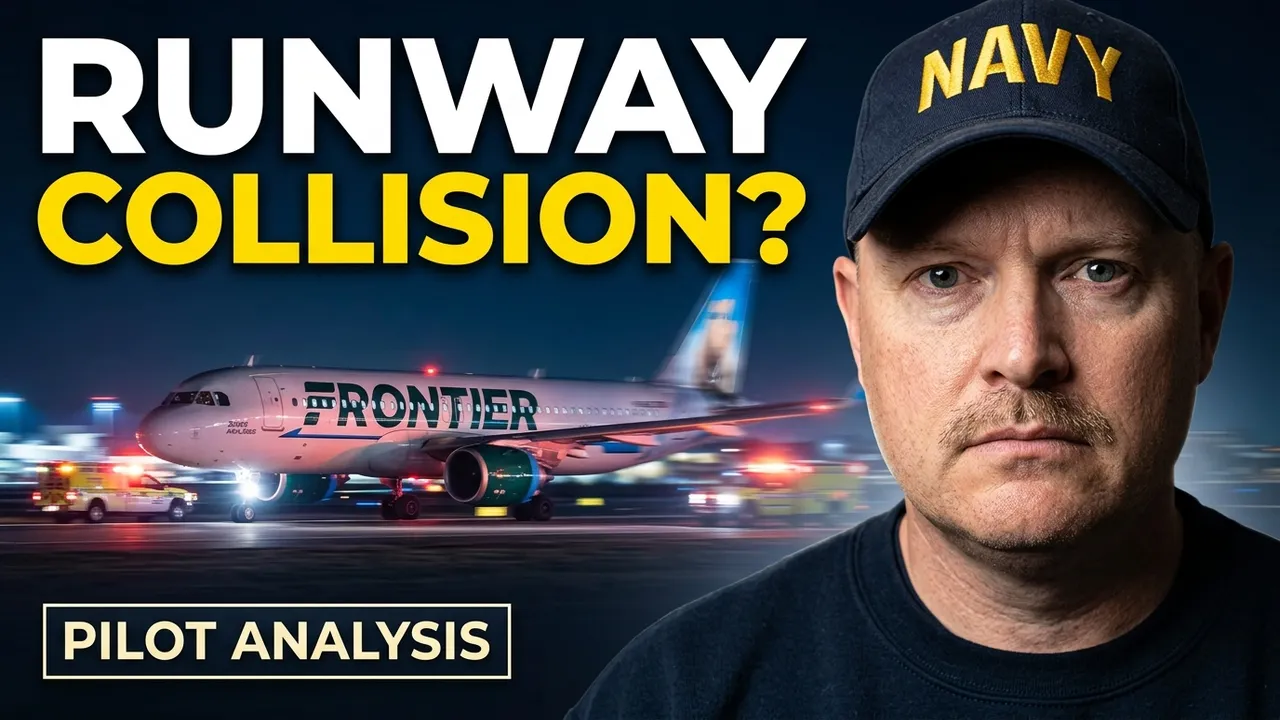
The incident involving Frontier Flight 4345 at Denver International Airport, which was a focal point of our podcast episode, serves as a potent and recent example of a runway incursion with potentially catastrophic consequences. In this specific event, an Airbus A321neo on its takeoff roll encountered a vehicle on the runway. The crew of Frontier Flight 4345 executed a rejected takeoff at a high speed—over 120 knots—a decision that undoubtedly prevented a far more tragic outcome. However, the fact that such an encounter could occur at all is deeply concerning.
The ADSB (Automatic Dependent Surveillance-Broadcast) data, which we analyzed in the podcast, provided a clear, albeit chilling, timeline of the events. It illustrated the rapid progression from the aircraft's takeoff roll to the critical decision to abort. This case study is particularly important because it underscores that runway incursions are not theoretical threats; they are real events happening to real aircraft and crews, with the potential for immediate and severe harm. The prompt and decisive action by the flight crew of Frontier Flight 4345 is a testament to their training and professionalism, but it also raises critical questions about the protocols and oversight that allowed the vehicle to be on the runway in the first place.
The investigation into such incidents typically focuses on a multitude of factors. Was there miscommunication between air traffic control and the vehicle operator? Were the vehicle operator's procedures followed correctly? Were there any technological failures that might have contributed to the situation? The Denver incident, like many others, highlights the intricate web of human and technological interactions that must function flawlessly for safe airport operations. It forces us to re-examine every step of the process, from the initial clearance to enter the runway to the final acknowledgment of its clear status.
Why Are Runway Incursions More Common Than We Think?
The inherent complexity of modern airports is a significant factor. Airports are bustling hubs of activity, with aircraft of all sizes taxiing, taking off, and landing, alongside a constant flow of service vehicles, maintenance crews, and ground personnel. Managing this intricate dance requires sophisticated air traffic control systems, clear communication protocols, and unwavering adherence to procedures by all parties involved. When any part of this system falters, the risk of an incursion increases.
Human factors play a crucial role. Fatigue, distraction, complacency, and communication breakdowns are all potential contributors. Air traffic controllers are under immense pressure to manage multiple aircraft and vehicles simultaneously, especially during busy periods. Pilots are focused on navigating complex taxi routes, performing pre-takeoff checks, and maintaining situational awareness. Vehicle operators on the airfield are often engaged in routine tasks but must remain acutely aware of their surroundings and adhere to strict clearance requirements. Even seemingly minor distractions or a momentary lapse in concentration can have serious consequences.
Technological limitations can also be a contributing factor. While radar and other surveillance systems have improved, there can still be blind spots or limitations in detecting all potential incursions. The dynamic nature of airport operations means that static infrastructure and procedures may not always be sufficient to address every emergent situation. The weather also plays a role; reduced visibility due to fog, snow, or heavy rain can significantly impair situational awareness for both pilots and vehicle operators, making it harder to detect and avoid hazards.
Furthermore, the sheer volume of operations at major airports means that opportunities for error, however small, are amplified. The data from 2010-2022 suggests that these underlying factors have not been entirely eliminated, despite continuous efforts to enhance safety. The constant need for vigilance, robust training, and effective communication remains paramount.
Beyond the Runway: Perimeter Breaches and Airport Intrusions
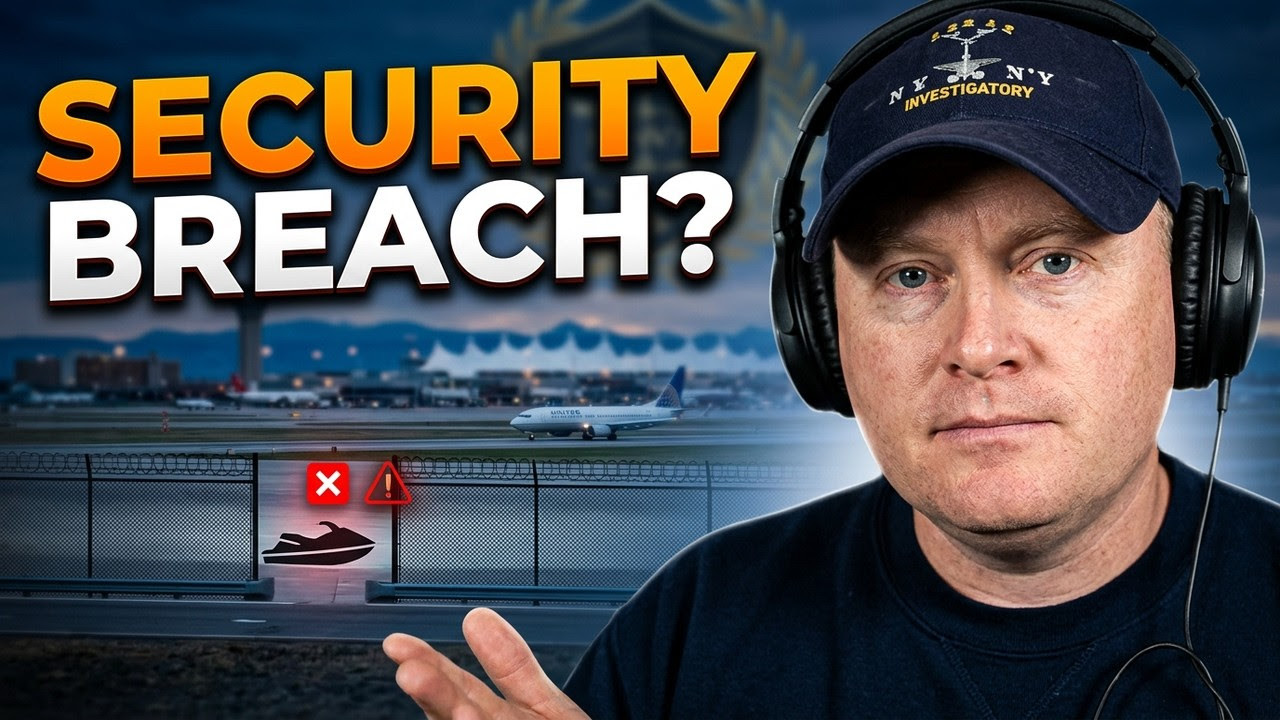
Our discussion in the podcast also extended beyond the immediate runway environment to encompass broader issues of airport security and perimeter breaches. While a runway incursion is defined by an unauthorized presence on the active runway, the contributing factors can sometimes originate from breaches further afield. The data from 2010-2022 that we cited in the episode on runway security breaches suggests that these are indeed more common than many might assume.
These perimeter breaches can take many forms. We recounted stories of "someone loose on the airfield" in places like Santo Domingo, where unauthorized individuals or vehicles may gain access to airport grounds. The dramatic example of a jet ski breach at JFK airport, which involves an individual entering the airport via the water surrounding it, highlights the diverse and sometimes unconventional ways that security can be compromised. These events, while not always directly leading to a runway incursion, underscore vulnerabilities in airport security that could, in theory, provide pathways for individuals or vehicles to reach the critical operational areas.
Such incidents raise critical questions about the effectiveness of physical barriers, surveillance systems, and access control protocols at airports. The economic pressures on airports and airlines sometimes mean that security enhancements are a constant balancing act. However, the potential consequences of a successful intrusion, particularly one that leads to a runway event, are so severe that these security measures must be treated with the utmost seriousness. The data on these breaches serves as a constant reminder that the layers of safety and security must be comprehensive and robust, extending well beyond the tarmac itself.
The Real-World Consequences of Runway Incidents
The consequences of a runway incursion can be multifaceted and severe, extending far beyond the immediate danger of a collision. At the most extreme, a collision on the runway can result in fatalities and catastrophic damage to aircraft, leading to immense loss of life and financial devastation. The investigation and recovery efforts following such an event are also incredibly complex and resource-intensive.
Even in cases where a collision is avoided, the operational impact is significant. A rejected takeoff, as seen with Frontier Flight 4345, causes considerable disruption. The aircraft and passengers are returned to the gate, leading to significant delays for all subsequent flights on that aircraft's schedule. Air traffic control has to re-route and re-sequence other traffic, causing ripple effects throughout the air traffic system. There are also the psychological impacts on the flight crew, passengers, and ground personnel involved. The stress and trauma of experiencing a near-miss or witnessing an incursion can be profound.
Furthermore, runway incursions lead to extensive investigations by aviation safety authorities. These investigations are crucial for identifying the root causes and implementing corrective actions, but they also divert resources and attention. The findings of these investigations often lead to regulatory changes, new training requirements, and technological upgrades, all of which represent significant investments for the aviation industry. The financial costs associated with runway incursions, including aircraft damage, operational delays, and the implementation of safety improvements, are substantial and are ultimately borne by the industry and, by extension, the traveling public.
Lessons Learned and the Path Forward in Aviation Safety
The persistent occurrence of runway incursions, as evidenced by the 2010-2022 data and highlighted by incidents like the one involving Frontier Flight 4345, underscores that aviation safety is a continuous journey, not a destination. The lessons learned from these events are invaluable and drive ongoing efforts to enhance safety protocols, technologies, and training.
One of the key takeaways is the critical importance of clear and unambiguous communication. Enhanced training for air traffic controllers and pilots on effective phraseology and active listening is paramount. Technologies like advanced surface movement guidance and control systems (SMGCS) and airport surface detection equipment, radar (ASDE-X), are being continuously improved and deployed to provide controllers with better visibility of aircraft and vehicles on the ground. Pilot training also emphasizes enhanced situational awareness, including robust pre-takeoff checks and a thorough understanding of airport layouts.
The "Stories from the Road" segment in our podcast also touched on the intriguing "Cape Air Latch Mystery" and pilot weather management. These, while seemingly disparate, all speak to the broader theme of vigilance and preparedness in aviation. Whether it's understanding the critical importance of not touching certain aircraft latches, or managing the unpredictable nature of weather, the core principle is the same: be aware, be trained, and be ready for anything.
The path forward involves a multi-layered approach: continued investment in advanced surveillance and detection technologies, rigorous and recurrent training for all airport personnel, fostering a strong safety culture where reporting near-misses is encouraged without fear of reprisal, and ongoing research into human factors that contribute to errors. The data from 2010-2022 is not just a record of past challenges; it's a roadmap for future improvements. By studying these trends and learning from each incident, the aviation industry can continue to strive towards the ultimate goal: zero runway incursions and an even safer skies for everyone.
Thank you for joining us on the blog to explore the critical topic of runway incursions, an issue we delved into extensively in our latest podcast episode, Frontier Flight 4345 Runway Collision: The Denver Incident & Pilot Stories from the Road. The statistics are a stark reminder that vigilance and continuous improvement are essential in maintaining the highest standards of aviation safety.