The Human Cost of Airline Collapse: Stories from Spirit Airlines Employees
More Than Just Numbers - The Human Side of the Spirit Airlines Collapse
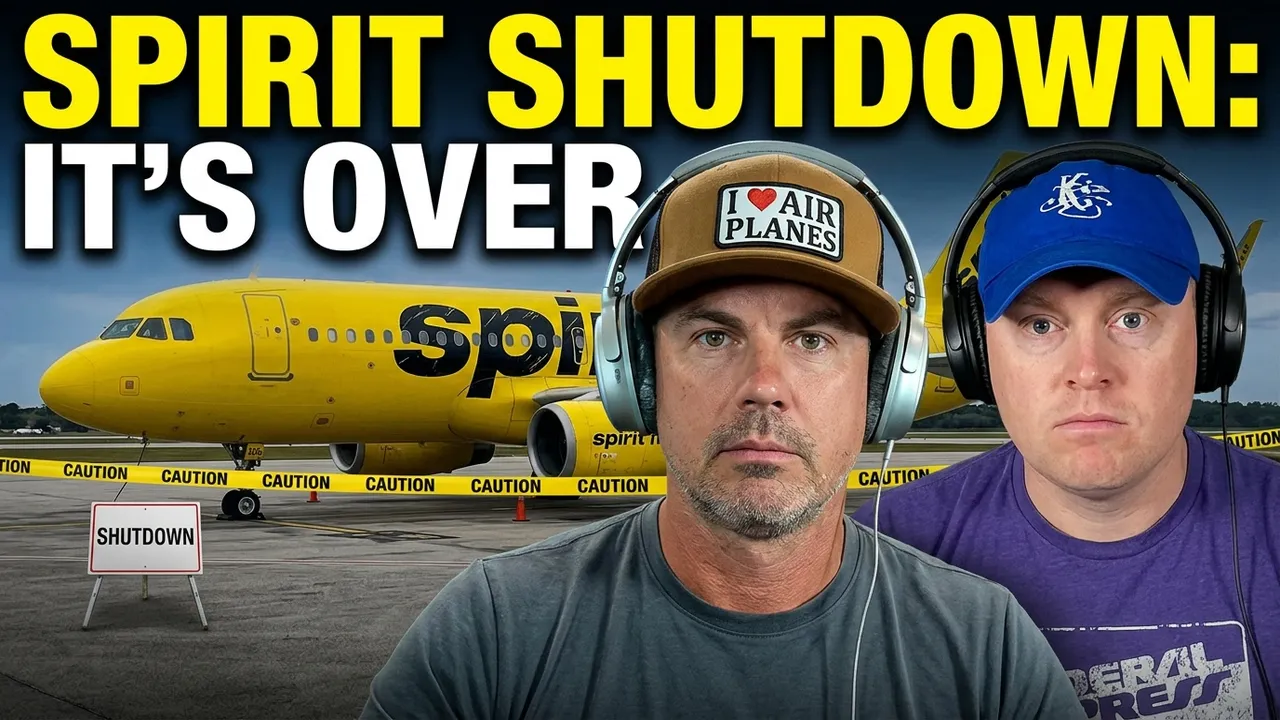
In the fast-paced world of aviation news, it's easy for the sheer magnitude of events to overshadow the individuals caught in their wake. We often hear about financial losses, operational disruptions, and the broader economic implications. However, our latest episode of The Black Box Aviation Podcast, which you can find at Spirit Airlines Collapse, A Near-Miss at United, & Handling Departure Weather Delays, forces us to confront a crucial reality: behind every headline are people, and in the case of the Spirit Airlines shutdown, over 17,000 of them. This blog post is dedicated to those individuals, to amplify their voices, and to explore the profound human cost of an industry-altering event.
When the news broke that Spirit Airlines was facing an unprecedented shutdown, the immediate focus, understandably, was on the potential chaos for travelers. Flights canceled, itineraries in disarray, and the scramble for alternative arrangements dominated the headlines. Yet, as is often the case, the most immediate and devastating impact was felt by the very people who kept the airline running: its employees. This post aims to go beyond the sterile numbers and delve into the personal stories, the immediate challenges, and the emotional turmoil experienced by the thousands of dedicated professionals whose livelihoods were suddenly, and without warning, upended. We'll examine the ripple effects of this collapse, not just on passengers, but on the pilots, flight attendants, ground crew, mechanics, and countless others who dedicated their careers to Spirit.
The Unforeseen Impact: 17,000 Lives Disrupted
The figure of 17,000+ employees is staggering. It represents a diverse group of individuals, each with their own unique circumstances, families, dreams, and responsibilities. For many, Spirit Airlines wasn't just a job; it was a career, a passion, and a source of stability. They were the ones who ensured that passengers reached their destinations safely, the ones who meticulously maintained the aircraft, and the ones who navigated the complexities of airline operations. Their dedication was the engine that powered Spirit, and when the engine sputtered and ultimately failed, they were the ones left stranded.
The decision to cease operations, while perhaps a necessary business decision in the face of insurmountable financial challenges, had immediate and profound consequences for each of these 17,000 individuals. It wasn't a gradual decline or a planned transition; it was an abrupt halt. This suddenness amplified the shock and created a vacuum of uncertainty that quickly filled with anxiety. Imagine waking up one day and learning that the company you’ve poured your energy and commitment into for years is no longer operational. This is the reality that thousands of Spirit employees faced, a reality that goes far beyond the abstract concept of a corporate bankruptcy.
Voices from the Ground: Personal Stories of Displaced Spirit Employees
While we cannot share every individual story, the spirit of their experiences is what we aim to capture here. These are not just anonymous workers; they are parents trying to provide for their children, individuals with mortgages to pay, people saving for retirement, and those who had built their entire professional identities around their roles at Spirit. We've heard whispers and seen public accounts of mechanics who spent decades honing their skills on Spirit aircraft, now facing an uncertain future. We've heard from flight attendants whose friendly smiles and reassuring presence were a hallmark of the Spirit experience, now grappling with the loss of their uniform and their community.
Consider the story, representative of many, of a seasoned pilot. For years, they meticulously studied weather patterns, managed complex flight plans, and ensured the safety of hundreds of thousands of passengers. Their career was built on expertise, discipline, and a deep understanding of aviation. Suddenly, that career is truncated, their certifications may be in limbo, and the runway ahead is obscured by fog. Similarly, a dedicated flight attendant, who had cultivated relationships with passengers and colleagues alike, found their vibrant social network and daily routine dissolved overnight. These are not mere economic transactions; these are deeply personal losses that affect every facet of an individual's life.
Immediate Challenges: The Shock and Uncertainty of Job Loss
The initial shockwaves of the Spirit Airlines shutdown were felt most acutely in the immediate aftermath of the announcement. For employees, there was often a confusing period of information dissemination, or lack thereof. Uncertainty became the prevailing emotion. Questions swirled: What happens to our paychecks? What about our benefits, particularly healthcare? Will we receive severance? What are our options for re-employment in an already competitive industry?
The immediate challenge was the sudden evaporation of a stable income. For many, their Spirit salary was the primary, if not sole, source of financial support for their households. Without that income, essential bills like rent, mortgages, utilities, and car payments became immediate concerns. The scramble to find new employment began, often with little notice and no safety net. The job market for airline professionals, while sometimes robust, can also be cyclical and highly specialized. Finding a comparable position with similar benefits and seniority could be a daunting and time-consuming task.
Furthermore, the administrative and logistical hurdles of a sudden shutdown are immense. Employees often had to navigate complex paperwork for unemployment benefits, navigate the transfer of health insurance, and understand their pension or retirement fund implications. These are not simple tasks, especially when performed under the immense stress of sudden joblessness. The psychological toll of this initial period of chaos and uncertainty cannot be overstated. It was a period of fear, anxiety, and a profound sense of betrayal for many who had dedicated themselves to the airline.
Beyond the Paycheck: Emotional Toll and Career Anxiety
The impact of losing a job, especially one as integrated into one's identity as an airline professional, extends far beyond the financial. The emotional toll can be devastating. For many, their careers in aviation were not just about earning a living; they were about purpose, identity, and belonging. The loss of a uniform, the camaraderie of the flight deck or cabin crew, and the daily rhythm of airline operations can leave a significant void.
There's the loss of professional identity. Pilots, mechanics, and flight attendants often develop a strong sense of pride and expertise in their roles. This identity is built over years of training, experience, and dedication. When the airline collapses, that identity can feel shattered. The feeling of being "grounded" extends beyond the physical; it can be a deep-seated psychological experience. This can lead to feelings of worthlessness, depression, and a loss of self-esteem.
Career anxiety is another significant emotional consequence. Even for those who are highly skilled, the prospect of starting over in a new airline, potentially with less seniority, lower pay, or a different company culture, can be incredibly stressful. The industry is competitive, and the learning curve for a new airline's procedures and aircraft can be steep. This anxiety is compounded by the worry of long-term career prospects. Will this setback impact their ability to find future employment? Will they be able to regain the level of career progression they once had?
Moreover, the suddenness of the event can erode trust in employers and the stability of the industry. For many, this experience will lead to a re-evaluation of their career choices and a heightened sense of vulnerability. The emotional scar of an unexpected job loss can linger, affecting future career decisions and overall well-being. This is a human cost that statistics simply cannot capture.
Community and Support: How Other Airlines Stepped In
In the face of such a significant disruption, the aviation community often demonstrates its resilience and supportive nature. While the Spirit Airlines shutdown was a blow to many, it also spurred a commendable outpouring of support from other airlines. We saw many legacy carriers and competing low-cost airlines step up to offer assistance to displaced Spirit employees. This included accelerated hiring processes, dedicated recruitment events, and even direct outreach to Spirit's former workforce.
Airlines like United, JetBlue, and Southwest, among others, recognized the talent pool that was suddenly available and understood the importance of retaining experienced aviation professionals within the industry. They understood that the skills and experience of Spirit's employees were valuable assets that could benefit their own operations. This proactive approach not only helped Spirit employees find new employment but also ensured that the broader aviation ecosystem remained strong and capable.
This collaborative spirit is a testament to the interconnectedness of the aviation industry. While competition exists, there's also a shared understanding of the specialized training and dedication required to work in this field. When one part of the industry faces a crisis, others are often willing to lend a hand. These efforts, though not able to erase the initial pain and uncertainty, provided a beacon of hope and a tangible path forward for many affected employees. It highlighted the power of solidarity during challenging times.
A Call to Action: Sharing Your Story and Supporting Displaced Workers
The stories of the Spirit Airlines employees are not just cautionary tales; they are vital narratives that deserve to be heard. If you are a former Spirit Airlines employee who has been affected by the shutdown, we implore you to share your story. Your experiences, challenges, and triumphs can provide invaluable insight, offer comfort to others facing similar situations, and help raise awareness about the human impact of such events. As we mentioned on the podcast, you can reach out to us at theblackbox01@yahoo.com or text us at (203) 699-6792. Your voice matters, and by sharing, you can contribute to a greater understanding and foster empathy.
For those who are not directly affected but wish to support these individuals, there are ways to make a difference. Keep an eye out for hiring initiatives from other airlines and spread the word within your networks. If you know of any Spirit employees seeking opportunities, offer them encouragement and connections. Simple acts of kindness and support can go a long way in alleviating the stress and uncertainty that many are experiencing. Furthermore, consider following and supporting aviation podcasts and blogs that delve into these human aspects of the industry, like The Black Box Aviation Podcast, as they help to keep these stories in the public consciousness.
Conclusion: Remembering the Human Element in Aviation News
The Spirit Airlines collapse, like any major event in the aviation industry, has multifaceted consequences. While the financial and operational aspects are significant, our latest episode, Spirit Airlines Collapse, A Near-Miss at United, & Handling Departure Weather Delays, pushed us to look beyond the balance sheets and operational charts to the human stories that lie at the heart of these developments. The experiences of the over 17,000 Spirit Airlines employees serve as a stark reminder that behind every airline, every flight, and every industry headline, there are individuals with lives, families, and futures that are profoundly impacted. As consumers, as industry professionals, and as members of a broader community, let us remember the human element in aviation news and continue to advocate for empathy, support, and understanding for those who dedicate their lives to keeping us flying.