Surviving B777 Ground School: What to Expect and How to Thrive
Introduction: Embracing the Wide-Body Challenge
Welcome back to the blog, fellow aviation enthusiasts! In our latest podcast episode, "B777 Training, FAA Medical Realities, Wind Shear Departures, and R-ATP Hiring Hurdles," we pulled back the curtain on some of the most pressing realities facing professional pilots today. Today, we're diving deeper into one of those critical topics: the intense and often daunting process of obtaining a type rating for a wide-body aircraft, specifically the Boeing 777. This blog post is dedicated to dissecting the B777 ground school experience, the logistical gymnastics involved, and the academic rigor required to successfully transition to this incredible machine. So, buckle up as we explore what it takes to thrive in the world of wide-body training.
The B777 Ground School Experience: More Than Just Books
The term "ground school" might conjure images of dusty textbooks and monotonous lectures. While there's certainly a significant academic component, B777 ground school is a multifaceted immersion into an entirely new operational environment. It's not just about memorizing switch locations; it's about understanding the intricate systems of one of the world's most advanced passenger jets, learning its unique operating procedures, and grasping the underlying aerodynamic and engineering principles that govern its flight. Think of it as a high-intensity university course, compressed into a matter of weeks, with your career directly on the line. The curriculum is vast, covering everything from the sophisticated flight control systems, the complex electrical and hydraulic networks, the advanced fuel systems, and the state-of-the-art engines that power this marvel of engineering. Each system is a universe unto itself, and understanding their interdependencies is paramount. Pilots are expected to not only know how each system functions but also how to diagnose and troubleshoot potential issues, often under simulated emergency conditions. The instructors, typically experienced pilots themselves, bring a wealth of practical knowledge, but the sheer volume of information can be overwhelming. It's a constant balancing act between absorbing new knowledge and retaining what you've already learned. The goal isn't just to pass a written exam; it's to develop a deep, intuitive understanding of the aircraft that will allow you to operate it safely and efficiently in any conceivable scenario.
Logistical Hurdles: Life on the Road and the Crash Pad Reality
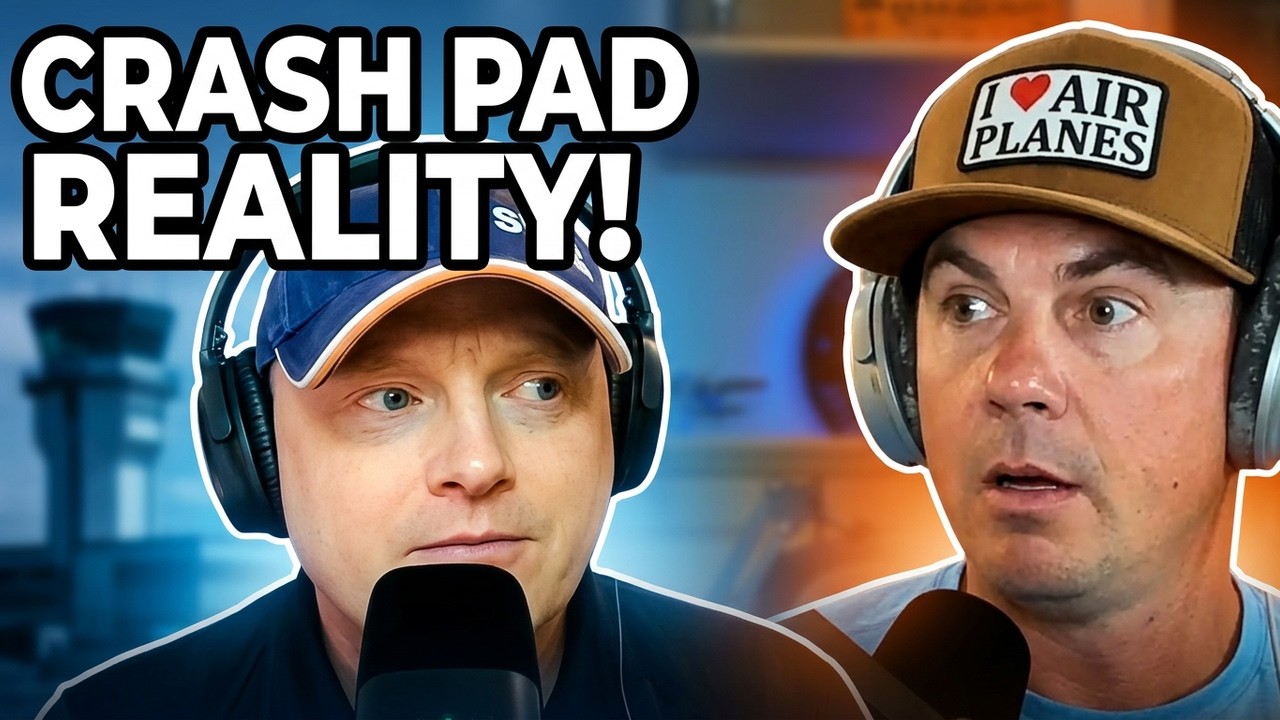
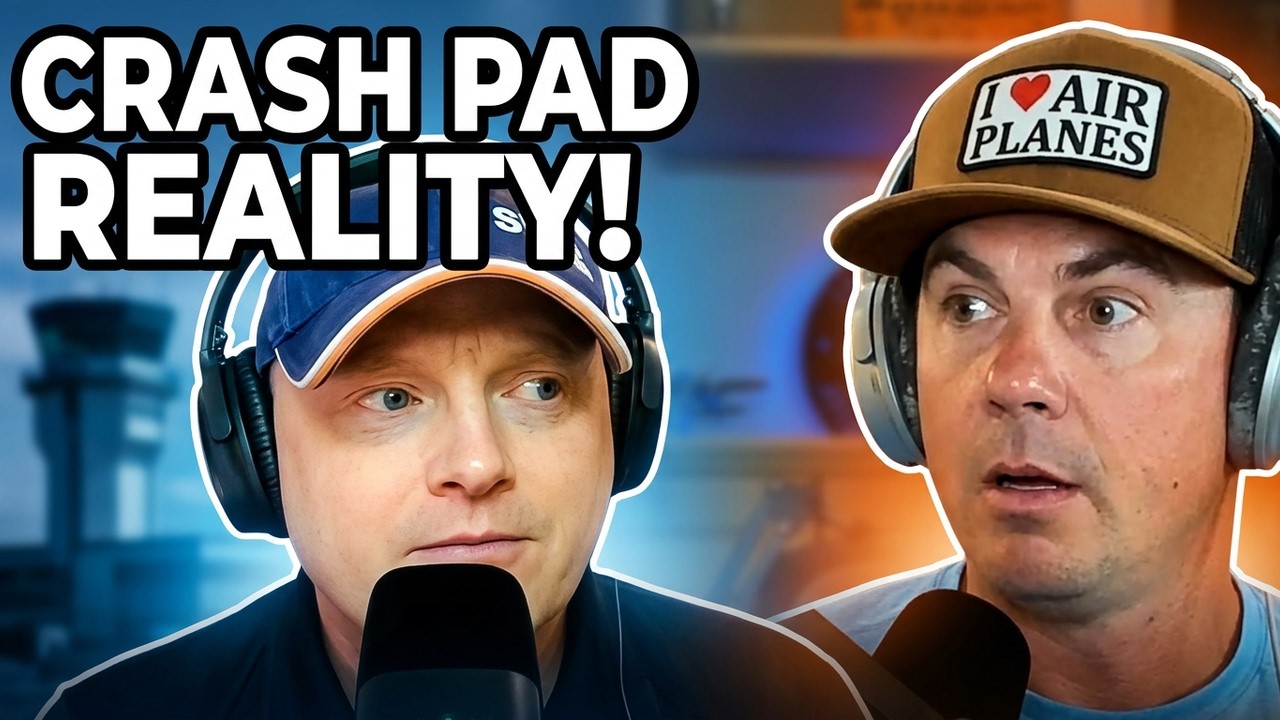
The journey to a new type rating rarely happens in your home town. For most pilots, it means packing a bag and heading to a training center, often located in a different state or even country. This necessitates a temporary relocation, which brings its own set of challenges. "Life on the road" becomes the operative phrase. This often involves living in what's commonly referred to as a "crash pad" – a shared living space, typically an apartment or house, where pilots rent a room for the duration of their training. Crash pads are a unique aspect of pilot life. They are designed to be functional and affordable, but they often come with their own set of quirks. Sharing bathrooms, kitchens, and living spaces with other pilots, all of whom are likely under immense study pressure, requires a high degree of patience, consideration, and adaptability. The lack of a personal, quiet space can be a significant challenge when you need to focus on intense study. Commuting to training, often from a home base where you might not have regular flights, adds another layer of complexity. This can mean early morning flights, late-night arrivals, and navigating the often unpredictable nature of airline scheduling. The time spent commuting is time away from focused study, family, and personal life. It's a demanding lifestyle that requires meticulous planning and a strong support system. The financial aspect also needs to be considered, as training courses themselves can be costly, and the added expenses of accommodation, food, and transportation while away from home can add up quickly. It's a test of resilience and resourcefulness, pushing pilots to adapt and make the most of less-than-ideal circumstances.
The Demands of Type Rating Training: What to Expect
Let's talk about the sheer volume of study. B777 type rating training is an academic marathon. You'll be spending countless hours in classrooms, delving into aircraft systems, performance, and emergency procedures. This is followed by simulator sessions, where you'll put that knowledge into practice. The simulators are incredibly realistic, designed to replicate every aspect of flight, including engine failures, system malfunctions, and severe weather. Expect to be tested constantly, both in the classroom and in the simulator. Instructors are looking for a deep understanding, not just rote memorization. You'll be expected to recall procedures from memory, make critical decisions under pressure, and demonstrate proficiency in handling a wide range of scenarios. The pace is relentless. Days are long, typically starting early and finishing late, with homework and review sessions often spilling into the evenings and weekends. Many pilots opt for private study areas or libraries to maximize their focus. The learning curve is steep, and there's little room for error. The goal is to build muscle memory and a deep understanding of the aircraft's behavior. You’ll be pushed to your cognitive limits, learning to manage multiple complex systems simultaneously, all while adhering to strict operational guidelines and decision-making processes. The pressure to perform is immense, but the reward of mastering such a sophisticated aircraft is equally significant. It’s a process that demands dedication, discipline, and an unwavering commitment to excellence.
Beyond the Cockpit: FAA Medical Certification and Pilot Health
While the focus of type rating training is undoubtedly on the aircraft, a pilot's career is inextricably linked to their medical fitness. The FAA Medical Certificate is the golden ticket that allows you to fly professionally. Obtaining and maintaining this certificate requires constant attention to your health and well-being. The process of getting a medical certificate can be straightforward for many, but for some, it can involve navigating more complex situations. This is where the Aviation Medical Examiner (AME) becomes a crucial figure in a pilot's professional life. The relationship with your AME is important; they are the gatekeepers of your medical license. It's vital to be honest and forthcoming with your AME about any health concerns, past or present. The FAA has stringent requirements, and any deviation from the norm can lead to delays, further testing, or even denial of a medical certificate. This can have a profound impact on a pilot's career trajectory.
Navigating AME Relationships and EKG Anomalies
One area that often causes concern for pilots is the Electrocardiogram (EKG) requirement for certain medical certificate classes. An EKG is a test that measures the electrical activity of the heart. While a perfectly normal EKG is ideal, it's not uncommon for pilots to experience minor anomalies that, while medically insignificant in the general population, can trigger a closer look from the FAA. These anomalies might be things like an incomplete right bundle branch block or certain benign arrhythmias. The key is not to panic. Working closely with your AME, providing them with all necessary documentation from your personal physician, and understanding the FAA's guidelines for these specific findings are crucial steps. In many cases, with proper documentation and explanation, these anomalies can be managed without impacting your medical certificate. However, it's a process that requires patience and proactive communication. Being prepared and understanding what the FAA is looking for can save a lot of stress and potential career disruption. Transparency and a willingness to undergo further evaluation when requested are paramount.
The Importance of Long-Term Disability Awareness
Beyond the immediate FAA medical, pilots must also consider their long-term career security. This is where long-term disability (LTD) insurance becomes incredibly important. While airlines offer benefits, the scope of their coverage for long-term medical incapacitation can vary. A pilot's ability to earn a living is directly tied to their ability to fly. If a medical condition, even one that doesn't immediately disqualify you from an FAA medical, prevents you from performing your duties as a pilot, LTD insurance can provide a crucial safety net. It's an often-overlooked aspect of financial planning for pilots, but one that can be the difference between financial stability and hardship if a career-ending medical event occurs. Understanding your options and ensuring you have adequate coverage is a responsible step in protecting your future. This is especially relevant as pilots age and the likelihood of developing certain medical conditions can increase.
Operational Challenges: Wind Shear and Convective Activity
The B777, like any advanced aircraft, demands a thorough understanding of weather phenomena and their impact on flight operations. Two critical areas of concern for pilots are wind shear and convective activity. Wind shear, a sudden change in wind speed and/or direction over a short distance, can be incredibly dangerous, especially during takeoff and landing when aircraft speeds are lower. Understanding how to recognize the conditions that can produce wind shear, such as microbursts and frontal passages, is vital. This includes interpreting weather radar, understanding predictive wind shear alerts from the aircraft's systems, and knowing the appropriate recovery procedures. Deviations from standard procedures or inadequate responses to wind shear can have catastrophic consequences. Similarly, convective activity, which includes thunderstorms, presents significant hazards. Pilots must be adept at deviating around these areas to avoid turbulence, lightning strikes, and hail. This requires constant monitoring of weather information, effective communication with air traffic control, and sound judgment in making go-around decisions or diverting to avoid hazardous weather. The B777's advanced weather radar and flight management systems provide pilots with sophisticated tools to manage these challenges, but ultimately, the pilot's understanding and decision-making are paramount. The ability to interpret complex weather data and translate it into safe operational decisions is a core competency for any airline pilot, especially when operating a large, heavy aircraft like the B777.
The Airline Hiring Landscape: R-ATP and Currency Considerations
Transitioning to a wide-body aircraft like the B777 is often a step taken by experienced pilots looking to advance their careers. However, the airline hiring landscape is constantly evolving, and understanding the nuances of requirements like the Restricted ATP (R-ATP) is crucial. For pilots transitioning from military aviation or those meeting specific educational requirements, the R-ATP can provide an earlier pathway to airline careers. However, the devil is in the details. Even with extensive turbine time and a type rating, failing to meet the "recent flight experience" or "currency" requirements can lead to rejections from airlines. This means maintaining proficiency in specific aircraft types or recent flight hours that align with the airline's expectations. A pilot might have thousands of flight hours, but if those hours aren't recent or don't reflect the type of flying the airline emphasizes, they may be at a disadvantage. Airlines are looking for pilots who are not only qualified on paper but also currently proficient and ready to operate in their specific environment. Understanding these subtle but critical hiring criteria is essential for any pilot navigating the competitive airline job market. It's about more than just accumulating hours; it's about strategic career management and ensuring your qualifications align with current industry demands.
Conclusion: Thriving in Your Aviation Career Transition
Obtaining a type rating for an aircraft as complex and powerful as the Boeing 777 is a significant undertaking. As we've explored in this blog post, it's a journey that extends far beyond the classroom and simulator. It involves navigating logistical challenges, managing intense study demands, prioritizing your health and medical fitness, and understanding the intricate operational and hiring landscapes. In our related episode, "B777 Training, FAA Medical Realities, Wind Shear Departures, and R-ATP Hiring Hurdles," we touched upon these very themes, offering insights from the front lines of professional aviation. The key to not just surviving, but thriving, in these transitions lies in preparation, adaptability, and a deep commitment to continuous learning. Embrace the challenge, stay organized, prioritize your well-being, and never stop seeking to improve your knowledge and skills. The path to piloting a wide-body aircraft is demanding, but for those who persevere, the rewards are immense. Keep flying, keep learning, and keep pushing your boundaries.