Beyond the Blame Game: What Air Traffic Controllers REALLY Say About Flight Delays
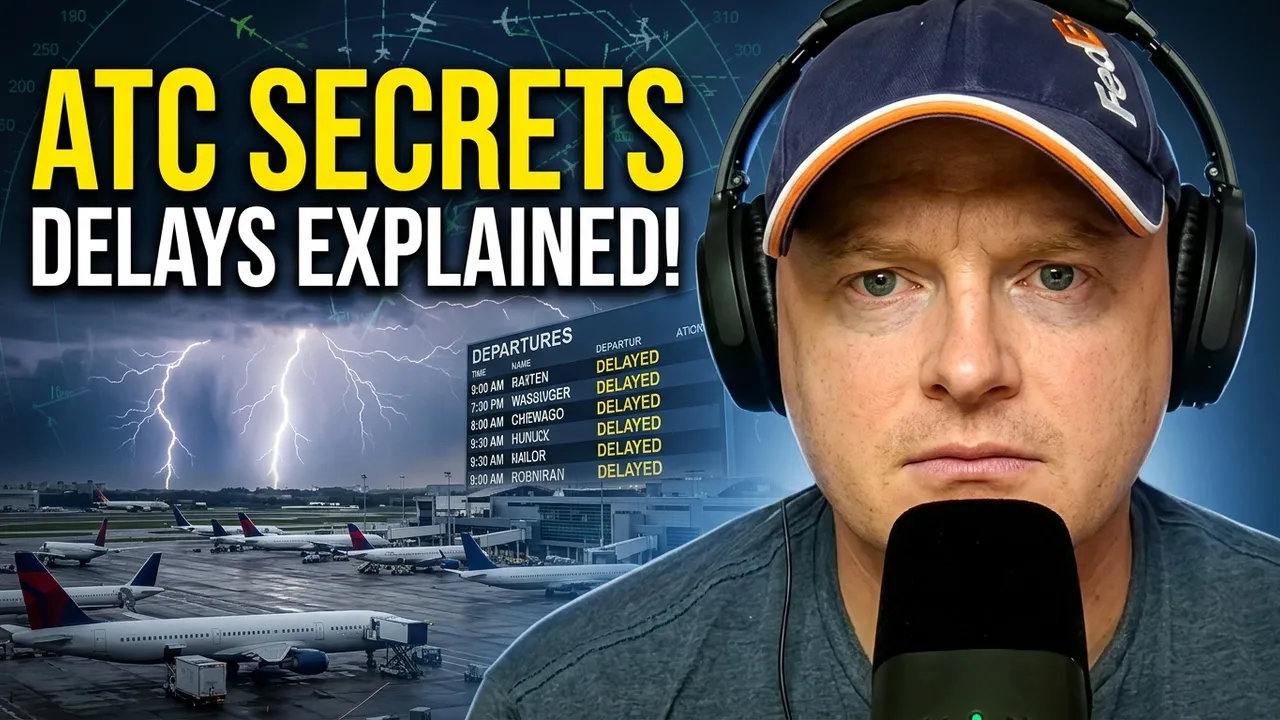
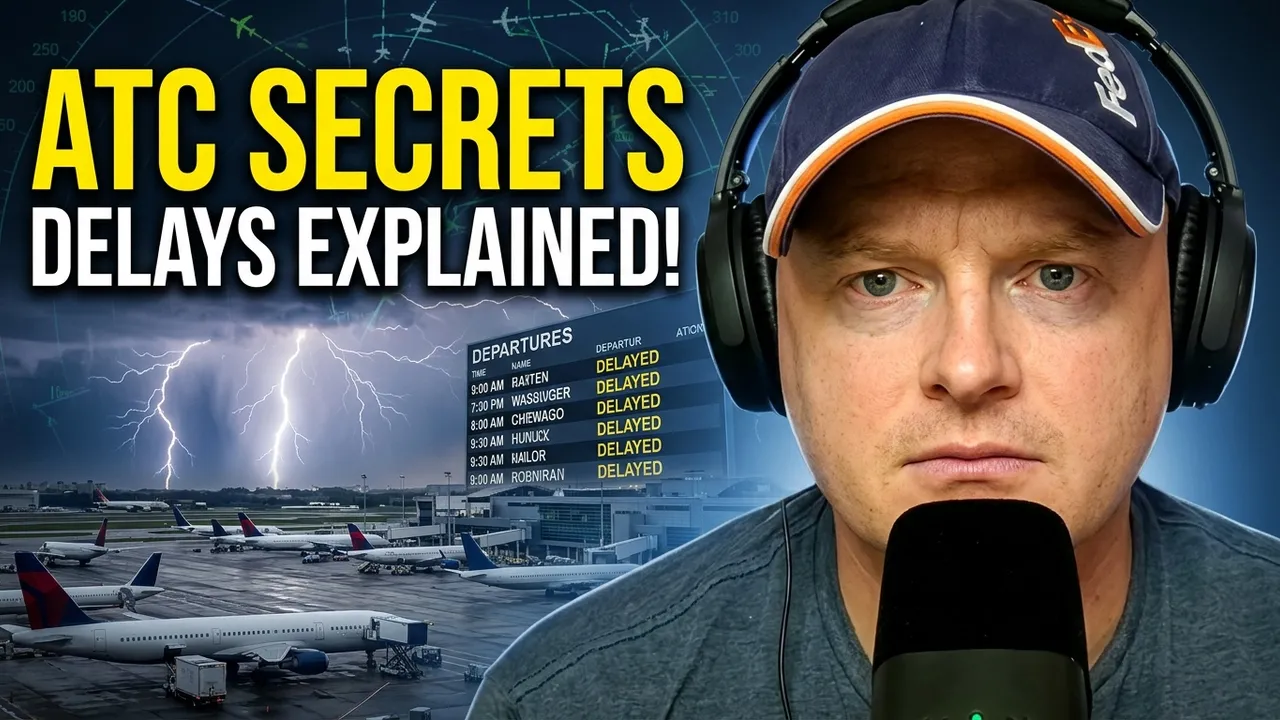
Welcome back to the blog, aviation enthusiasts! In our latest episode, we delved deep into a topic that impacts every single one of us who has ever stepped onto an airplane: flight delays. We're often quick to point fingers when our flight is grounded or circling endlessly, and traditionally, the blame has often been cast upon those individuals working tirelessly in the air traffic control towers. But what if the narrative we've been told is incomplete? What if the real story lies not in the alleged incompetence of controllers, but in the intricate systems and regulations that govern their profession? In this blog post, we'll expand on the crucial insights shared by our guest, Ian, a seasoned air traffic controller. He pulled back the curtain on the often-misunderstood world of ATC, revealing the truth about staffing, the strict overtime rules, and the operational realities that truly dictate the flow of air traffic. Prepare to move beyond the blame game and gain a fairer, more accurate picture of the professionals who keep our skies safe.
The Truth About ATC Staffing: Beyond the Headlines
The headlines are often sensational, aren't they? "Air traffic controllers causing delays!" "Understaffed ATC system is a disaster!" While there's no denying that staffing levels are a critical component of any operational system, the narrative surrounding air traffic control staffing is frequently oversimplified, if not outright misleading. In our episode, Ian shed crucial light on this complex issue, explaining that the reality is far more nuanced than a simple numbers game. It's not just about how many controllers are on a given shift; it's about their qualifications, their experience, and crucially, the intricate web of regulations that govern their work hours.
When we talk about staffing shortages in ATC, it’s essential to understand what that truly means from an operational perspective. It's not simply about filling empty chairs. Air traffic control is a highly specialized and demanding profession. Training a controller is a lengthy and rigorous process, involving extensive classroom instruction, simulator training, and on-the-job mentorship. This isn't a profession where you can simply onboard someone with minimal experience and expect them to manage complex airspace. The consequences of error are simply too high.
Furthermore, the concept of "staffing" extends beyond just the number of bodies in the room. It also encompasses the distribution of experienced controllers versus trainees. A balanced team, with seasoned professionals to guide and oversee, is crucial for maintaining efficiency and safety. When an experienced controller retires or leaves the profession, replacing that knowledge and expertise takes time. This isn't a problem unique to ATC, but the stakes are undeniably higher in this field.
Ian’s perspective highlighted that the perceived staffing crisis is often exacerbated by external pressures and misinterpretations of the data. While airlines and other stakeholders might point to controller numbers as the primary culprit for delays, they often overlook the internal operational constraints that controllers themselves must adhere to. This leads us to a critical, yet often overlooked, aspect of ATC operations: work limits and overtime caps.
Understanding ATC Work Limits and Overtime Caps
This is where the conversation gets particularly interesting and, frankly, where much of the public misunderstanding lies. Air traffic controllers are not simply expected to work until the job is done, regardless of the human cost. There are strict, federally mandated regulations governing their work hours, and these are not suggestions; they are absolute limits designed to ensure controller well-being and maintain peak performance. Ian’s explanation of these rules in our podcast episode was eye-opening. These aren't arbitrary rules; they are in place for very good reasons. Think about it: controlling air traffic is a mentally demanding task that requires intense focus and split-second decision-making. Fatigue is a significant factor in human error, and the FAA, like any responsible regulatory body, has implemented measures to mitigate this risk.
One of the key regulations Ian discussed is the concept of mandatory overtime and the strict limits on how much overtime a controller can work. This might seem counterintuitive. If there's a staffing shortage, why wouldn't you allow controllers to work more if they're willing? The answer lies in the diminishing returns of fatigue. A controller who is exhausted, no matter how dedicated, is more prone to mistakes. The regulations acknowledge this physiological reality. There are limits on consecutive days worked, maximum hours per week, and also limits on the total amount of overtime that can be assigned. These caps are not designed to inconvenience the airlines; they are designed to protect the safety of the flying public by ensuring controllers are operating at their best.
This presents a fascinating paradox. If there are not enough controllers to cover all the necessary shifts without exceeding these work hour limits, then by definition, the system becomes constrained by those very limits. In essence, the strict overtime caps, while crucial for safety, can also become a bottleneck when staffing is insufficient to cover all required positions. When an airport or a sector is understaffed to the point where covering all operational hours would require controllers to exceed their legal limits, then flights may need to be slowed down or even grounded to maintain safe operations. This is where the blame often unfairly falls on the controllers themselves. They are not choosing to limit traffic; they are being forced to do so by the very regulations designed to keep them and everyone in the air safe.
Ian’s insights into how these work limits are factored into daily operations painted a clear picture. It's not about a controller deciding, "I don't feel like working today." It's about a system that, at certain times, reaches its operational capacity due to mandated rest periods and work hour restrictions. This is a critical piece of information that is often missing from public discourse on flight delays. The focus remains on the individual controller's actions rather than the systemic constraints within which they must operate.
How ATC Operations Actually Work: A Controller's Perspective
To truly understand why flight delays happen, we need to move beyond assumptions and hear directly from those on the front lines. Ian’s perspective as an air traffic controller provided an invaluable window into the day-to-day realities of managing the skies. It’s a job that requires an extraordinary level of vigilance, mental agility, and an unwavering commitment to safety. Forget the image of someone idly chatting while planes fly by. The reality is a constant, dynamic dance of communication, observation, and decision-making.
Controllers are not just looking at a radar screen; they are managing multiple aircraft simultaneously, each with its own trajectory, speed, and destination. They are responsible for maintaining safe separation between these aircraft, both horizontally and vertically. This involves issuing clearances and instructions that guide pilots through complex airspace, ensuring they don't deviate from their assigned paths and, crucially, don't get too close to other aircraft or to terrain.
Ian explained the concept of sectors and how airspace is divided among different controllers. Each sector has a specific capacity, dictated by the complexity of the airspace, the volume of traffic, and the limitations of the equipment. When traffic volume exceeds the capacity of a sector, or when multiple sectors are experiencing high traffic density, the system begins to strain. This is where flow control measures come into play. These are not punitive actions taken by controllers; they are designed to manage demand and prevent the system from becoming overwhelmed. Essentially, they are mechanisms to smooth out the peaks and valleys of air traffic, preventing gridlock from forming in the sky.
Moreover, the communication aspect is paramount. Controllers are in constant communication with pilots, providing them with essential information and instructions. They are also in communication with other controllers, coordinating the handoff of aircraft between sectors. This intricate communication network is the backbone of the entire air traffic control system. Any breakdown or delay in this communication chain can have ripple effects throughout the system.
Ian's description of the mental load involved in this job was particularly striking. It's not just about issuing commands; it's about anticipating potential conflicts, understanding pilot intentions, and making proactive decisions to prevent issues before they arise. This requires a high level of concentration and mental stamina, which is why the work hour regulations are so critical. A tired controller is simply not equipped to handle the immense cognitive demands of the job. The goal is always to keep the aircraft moving safely and efficiently, but safety always, always comes first. When the system is stressed, whether by staffing limitations, complex weather, or high traffic volume, controllers are the ones who must make the difficult decisions to ensure that safety is never compromised, even if it means accepting delays.
The Impact of External Factors on Air Traffic Flow (Weather, etc.)
While we’ve focused on the internal workings of ATC, it’s impossible to discuss flight delays without acknowledging the significant impact of external factors. Our episode touched upon this, and it’s a crucial piece of the puzzle that often gets overshadowed by the debate over staffing. Air traffic control operates within the realities of the physical world, and that world can be incredibly unpredictable.
Weather is, without a doubt, the biggest disruptor of air traffic. Thunderstorms, hurricanes, heavy fog, snow, and ice can all render runways unusable, force aircraft to reroute, or create hazardous flying conditions. When a significant weather event occurs, it doesn't just affect one airport; it can have cascading effects across vast regions. Controllers have to work with the weather, not against it. This means rerouting aircraft, creating new flight paths to avoid storms, and managing increased traffic volume in clear airspace. Ian described how they track precipitation on their scopes, a visual representation of the challenges they face in safely navigating aircraft through chaotic atmospheric conditions.
Consider the infamous Florida corridor, a vital artery for air travel. When thunderstorms are prevalent there, which is often, it creates massive bottlenecks. Controllers must carefully meter the flow of aircraft into and out of the affected airspace, ensuring that aircraft don't encounter severe weather or get too close to each other in the process. This can lead to significant ground delays at departure airports as planes wait for clearance to enter the congested or weather-affected airspace.
Beyond weather, other external factors can play a role. Military exercises, temporary flight restrictions due to security concerns, or even unexpected runway closures due to maintenance or incidents can all impact the flow of air traffic. These are events that are outside of the control of air traffic controllers and airlines alike, yet they can lead to the same outcome: delays.
What’s important to understand is how ATC systems are designed to adapt to these external pressures. When weather causes widespread disruptions, the system might implement ground delay programs or miles-in-trail restrictions. These are measures to proactively manage the situation, prevent airspace saturation, and maintain safety. While these measures result in delays, they are often the least bad option when faced with unpredictable and potentially dangerous conditions. The blame for these delays, therefore, lies not with the controllers, but with the inherent unpredictability of the natural world and the complex interactions of the aviation system.
What This Means for Your Next Flight: Moving Beyond the Blame Game
So, what does all of this mean for you, the traveler, the next time you find yourself facing a flight delay? It means approaching the situation with a more informed perspective. The narrative that controllers are solely to blame for delays is an oversimplification that ignores the complex interplay of factors at play. As we learned from Ian’s invaluable insights, the truth is far more layered.
Firstly, remember the strict work hour limitations and overtime caps. These are not arbitrary rules designed to inconvenience you; they are critical safety measures. When staffing levels are insufficient to cover all operational needs without exceeding these caps, the system is naturally constrained. The controllers are not choosing to limit traffic; they are adhering to regulations that prioritize the safety of everyone on board. Understanding this helps shift the focus from individual blame to systemic issues, such as the need for adequate, well-trained staffing in the ATC system.
Secondly, recognize the immense impact of external factors. Weather is a powerful force that air traffic control must navigate. When you hear about thunderstorms, fog, or hurricanes impacting air travel, understand that controllers are working diligently to route aircraft safely through these challenges. The delays you experience are often a consequence of managing these unavoidable environmental conditions, not a reflection of controller negligence.
Ultimately, moving beyond the blame game means appreciating the professionalism and dedication of air traffic controllers. They operate in a high-pressure environment, making critical decisions that impact thousands of lives daily. They are bound by strict regulations and must contend with the unpredictability of weather and other external factors. While staffing levels are undoubtedly a crucial component of efficient air travel, and improvements are always necessary, attributing delays solely to controller inefficiency misses the bigger picture.
By understanding the complexities of ATC operations, the importance of work hour regulations, and the influence of external factors, we can develop a more empathetic and informed view of the aviation system. This doesn't mean accepting delays without question, but it does mean directing our concerns and advocacy towards the systemic issues that truly influence the efficiency and reliability of air travel, rather than unfairly targeting the individuals tasked with the monumental responsibility of managing our skies.
Conclusion: A Fairer Picture of Air Traffic Control
In closing, this blog post has aimed to unpack the nuanced realities behind flight delays, drawing heavily from the insightful conversation we had with Ian, an experienced air traffic controller, in our latest episode. We've explored how the simplistic narrative of "controllers causing delays" often fails to account for the intricate web of regulations, operational constraints, and external factors that truly shape air traffic flow. The strict overtime rules and work limits, far from being arbitrary inconveniences, are essential safety measures that can, in scenarios of understaffing, lead to traffic management initiatives that result in delays. We also examined how weather and other unpredictable events necessitate careful management by controllers, often leading to necessary but inconvenient delays.
By understanding these complexities, we can move towards a more informed and balanced perspective. It's about recognizing the dedication and expertise of air traffic controllers who work tirelessly to ensure our safety, while also advocating for the systemic improvements needed to enhance the efficiency of the entire aviation ecosystem. We encourage you to listen to the full episode, "An Air Traffic Controller Tells All: Overtime Rules, Flight Delays, and the Beijing Skyscraper Crash," for a deeper dive into these critical topics and to hear directly from those on the front lines. Thank you for joining us on the blog, and we look forward to continuing these important conversations about aviation.