NTSB: Storm-Damaged Southwest 737 MAX Flew 44 Times Before Its Dutch Roll Event
The NTSB’s final report on Southwest Flight 746 traces a May 2024 Dutch roll event back to something that happened on the ground: wind damage while the airplane sat parked in New Orleans. The jet then flew 44 times before the damage was discovered.
What happened
On May 25, 2024, Flight 746 was flying from Phoenix to Oakland with 175 passengers and six crew. Shortly after reaching 34,000 feet, the pilots felt the airplane’s tail moving back and forth. Dutch roll combines yawing and rolling—a side-to-side motion coupled with the wings rocking.
Both pilots felt the rudder pedals move. The autopilot remained engaged, and the oscillations returned after a descent to 32,000 feet. They landed in Oakland without injuries. Inspectors then found damaged structure around the standby rudder power control unit’s mounting area in the vertical stabilizer.
Investigators traced the damage to May 16, when thunderstorms brought gusts up to 73 knots to New Orleans. The 737’s rudder has no gust lock. The NTSB found that wind likely forced the rudder to move hard enough to damage the structure supporting the standby rudder unit.
How it was missed
Boeing’s maintenance manual called for a special inspection after extreme winds, but it didn’t specify a wind speed that triggered one. Southwest also lacked a process to alert maintenance control when a parked aircraft experienced extreme winds. The inspection never happened.
During maintenance on May 23, a standby hydraulic test should have included someone at the tail confirming that the rudder moved in both directions. AirlineGeeks reports that hangar video showed movement right but not left, with nobody at the tail checking it. The test was signed off as passed.
The next day, another crew reported that the yaw damper was overcorrecting. The airplane passed a functional test and returned to service before Flight 746.
The NTSB identified undetected wind damage to the standby rudder unit connection as the probable cause. Contributing factors included the improperly performed hydraulic test, the missing wind-speed inspection threshold, and Southwest’s lack of an extreme-wind notification process.
What changed
Southwest checked the mounting areas across its 737 MAX fleet and found no similar damage. It added individual mechanic sign-offs for the hydraulic test and an extreme-wind alert for maintenance control. Boeing revised its manual to establish a 65-knot wind threshold for the inspection.
From a pilot’s perspective, the earlier yaw damper write-up stands out. Intermittent problems can be difficult to reproduce, but they can also be the first sign of something bigger. The maintenance history matters—not just whether the airplane passes its next test.
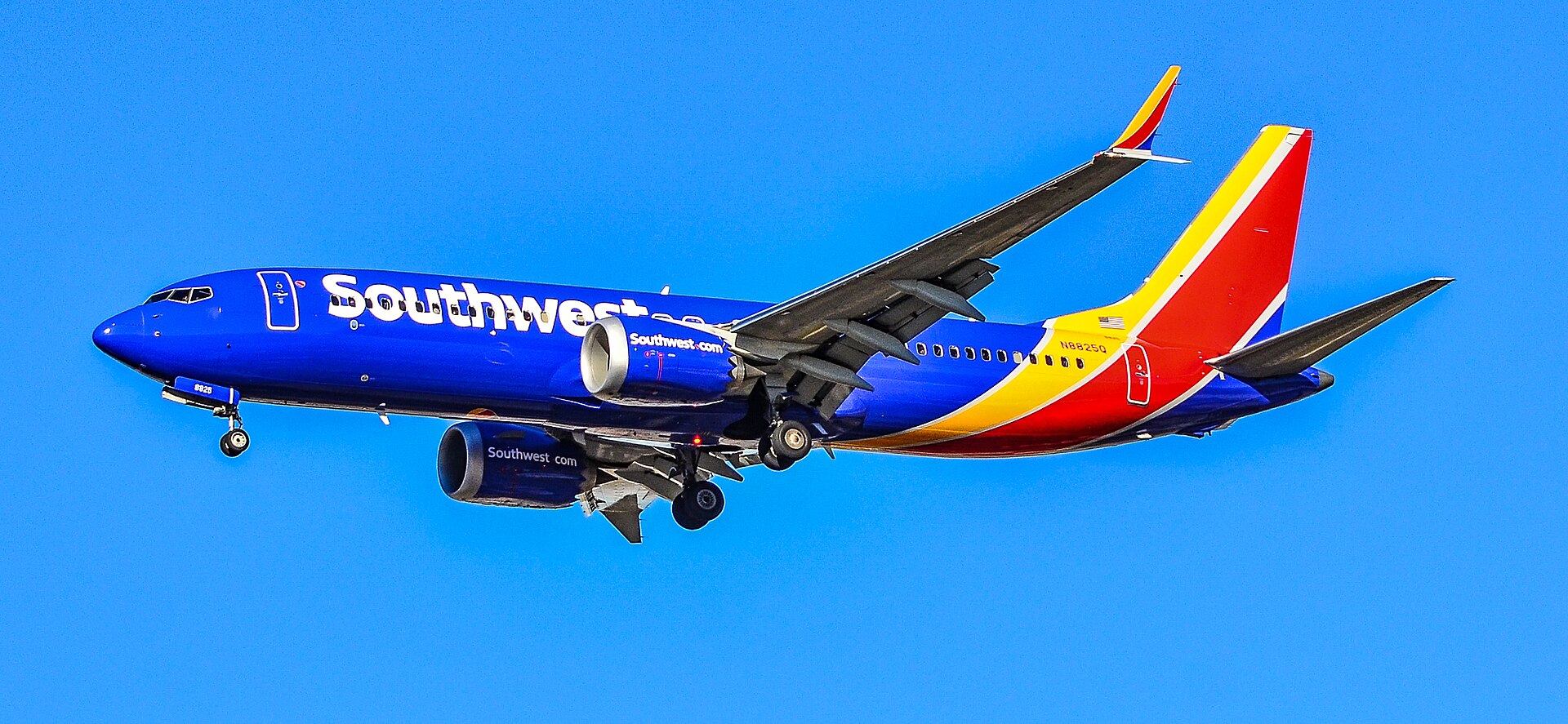
Photo: Tomás Del Coro / Wikimedia Commons, CC BY-SA 4.0. N8825Q photographed in December 2023, before the incident.

Sources: NTSB final report and AirlineGeeks reporting.
IAF Lands an IL-76MD at Nyoma, 13,629 Feet Up in Ladakh