IAF Lands an IL-76MD at Nyoma, 13,629 Feet Up in Ladakh
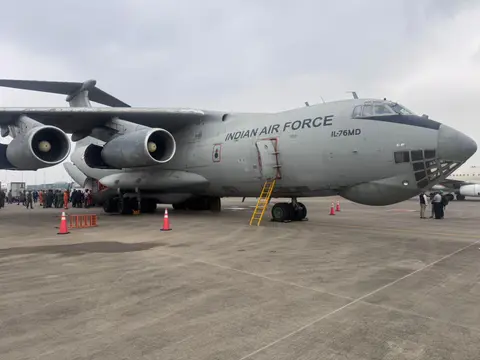
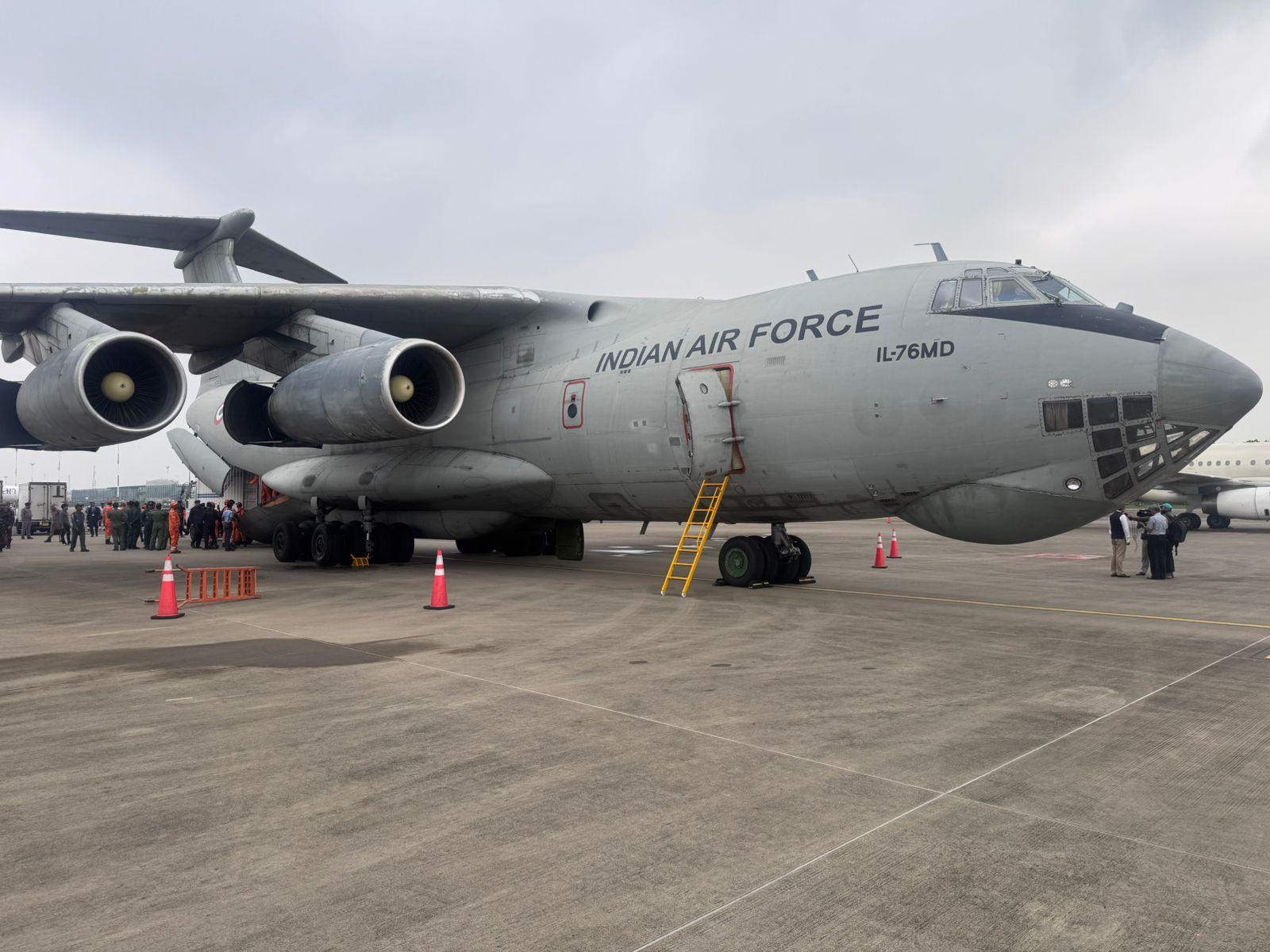
Representative photo of an Indian Air Force IL-76MD, not the Nyoma landing. Photo: Indian Air Force via Wikimedia Commons, Government Open Data License – India (GODL-India).

The Indian Air Force says one of its IL-76MD heavy-lift transports has landed at Nyoma airbase in eastern Ladakh, at an elevation of 13,629 feet. In a post on X on Saturday, the IAF called it "the highest-altitude landing ever achieved by the aircraft anywhere in the world." Officials told the Hindustan Times the landing itself happened Friday.
What happened
The IL-76MD, which the IAF calls "Gajraj," is a four-engine Soviet-designed transport that can carry about 45 tonnes. The IAF has been flying tanks and infantry vehicles into Ladakh with it since the early 1990s, mostly through Leh.
Nyoma is different. It sits about 23 to 25 km from the Line of Actual Control with China. According to The New Indian Express, the old strip there could only take smaller airplanes like the C-130J and An-32, plus helicopters. The Border Roads Organisation built a new runway of about 2.7 km, and the base became operational last November. Putting an IL-76 in there means the IAF can now move its heaviest Russian-built transport almost to the front line.
The record is for the type, not for any airplane. The New Indian Express notes that lighter aircraft like the C-130J have landed at Daulat Beg Oldi, at 16,614 feet.
Why high and thin is hard
At 13,629 feet, the air is a lot thinner than at sea level, and every pilot knows what that does.
For the same weight and configuration, the required indicated approach speed stays roughly the same. But indicated airspeed and speed across the ground are not the same thing. In thin air, that same indicated speed means a higher true airspeed. With no wind, that's also a faster groundspeed. You touch down going faster across the ground, so you need more runway to stop. Brakes and thrust reversers are absorbing more energy.
The engines also make less thrust in thin air, so climb performance after takeoff or on a go-around goes down. Hot days make it worse. Density altitude can end up thousands of feet higher than the field elevation. That's why heavy airplanes at fields like this often have to limit weight, and why planning matters as much as the landing itself.
The IAF credited "the exceptional skill, precision, and professionalism of its crew." From the flight deck, we believe it.
Pilots, what's the highest field you've flown into?
Sources: Indian Air Force on X · Hindustan Times · The New Indian Express · India Today
NTSB: Storm-Damaged Southwest 737 MAX Flew 44 Times Before Its Dutch Roll Event