Air India Drops the Rome Fuel Stop: Delhi and Mumbai to New York Are Nonstop Again
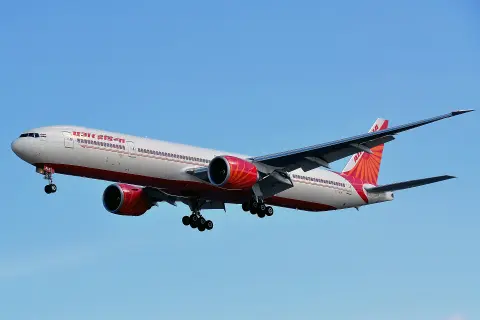
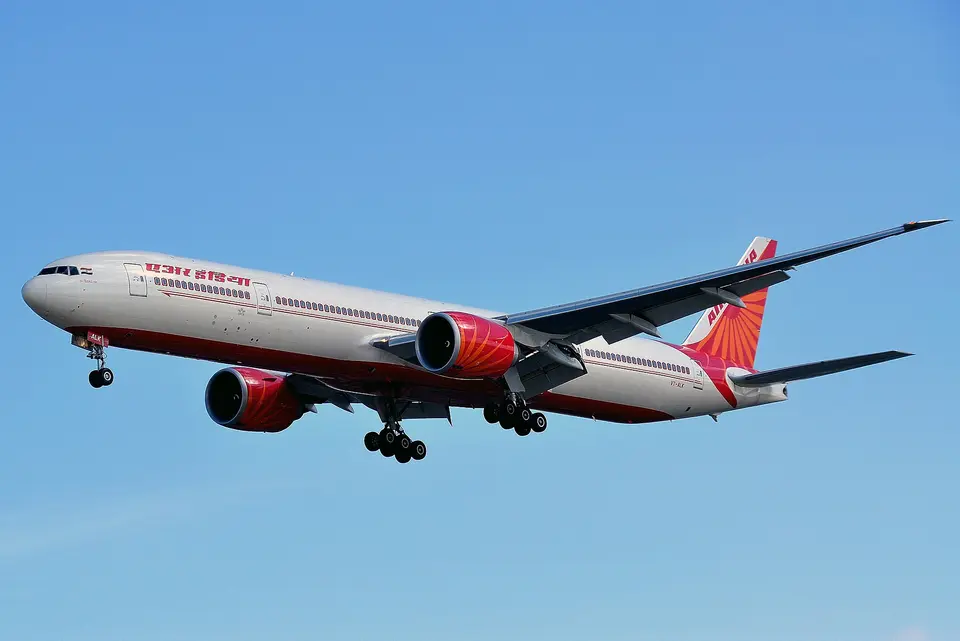
Photo: Eluveitie / Wikimedia Commons, licensed under CC BY-SA 3.0.

Air India is flying its four India–US East Coast flights nonstop again. Delhi and Mumbai service to New York JFK and Newark no longer stops in Rome for fuel. The change came this week, after enough of Iraq’s airspace became usable for the airline to plan a shorter route west.
What changed
Air India operates one daily flight each from Delhi and Mumbai to both JFK and Newark, so four flights in total. PTI reports those trips are generally flown with Boeing 777s, and New York is sometimes served with an A350.
Times of India says the nonstops resumed Wednesday. The New Indian Express says Thursday. PTI says the airline began using Iraqi airspace “this week.”
After the US–Iran conflict began on February 28, according to Times of India, routes Air India had been using shut down. Pakistan’s airspace has been closed to Indian carriers since last April. To get to the US, the flights went south over Oman, Yemen and southern Saudi Arabia, then landed at Rome Fiumicino to refuel before crossing the Atlantic. Passengers had to stay on board during that stop.
Now the Delhi departures fly over Rajasthan, Gujarat, Oman, the UAE, Kuwait, Iraq and Turkey, then on toward Europe and the US. The Mumbai flights cross the Arabian Sea into the Gulf and take a similar path. An Air India official told The New Indian Express the airline now has “more flexibility in our route plans to Western nations due to the increasing options available in the global airspace.”
Reports put the savings at about three to four hours. The New Indian Express says the trip went from about 21 hours to 18. Times of India and PTI, via Telegraph India, say it went from roughly 20 hours with the Rome stop to about 15–16 hours.
The Iraq piece goes back to September 18, 2026. That’s when Iraq said it was reopening parts of its western airspace that had been reserved for about a decade for military operations against ISIS, according to Aviation A2Z.
Why it matters from the flight deck
A fuel stop isn’t just a lost hour on the ground. It’s an extra approach and landing, more taxi time, ground handling in another country, and another chance for something to go wrong. Taking it out matters for the crew too. A PTI source said the shorter flight makes duty-time limits less of a squeeze and could save about 10 percent on fuel.
There’s a catch every long-haul pilot will recognize. A nonstop has to carry all the fuel for the whole trip plus reserves, and fuel is weight. Pilots who fly the route told Times of India the “load penalty” from the Pakistan closure is still there. That means limits on passengers or cargo so the airplane can carry more fuel. They also said that from January the winds get very strong, and if loads are high, fuel stops may come back for a while. Times of India reports the flights will likely stay nonstop through November and December.
A New Indian Express source made the same point another way: any fuel-cost benefit can get negated by the lower passenger and cargo load you accept with a full tank.
This is the same tradeoff we’ve talked about on the show when routes get squeezed by conflict zones. Every closed airspace changes the fuel planning, crew legality and payload math. If you want the cockpit side of that, our war zone flying episode goes into how crews handle it.
What travelers should know
If you’re booked on Air India between Delhi or Mumbai and the New York area, expect a shorter trip with no sitting on a Rome ramp. The airline is still working around Pakistan, and Iran’s airspace is still closed. If airspace or winds change again, schedules can change with them. Check your booking close to departure, especially for January trips.
For Air India, this also brings back a selling point against Emirates, Qatar and Etihad, whose India–US trips connect through a Gulf hub. An airline source told The New Indian Express, “our USP has been restored.”
T-Tail Icing Hazards: Understanding Deep Tail Stalls in Business Jets