Flight Deck Distractions: Why Airline Pilots Get Fired for Using Cell Phones
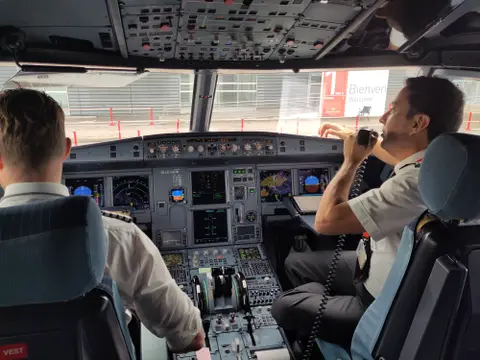
Flight deck distractions caused by personal electronic devices remain a critical safety threat in commercial aviation. This deep dive explores strict airline rules regarding mobile phones, the recent high-profile firing of a new-hire first officer on initial operating experience for answering a call, and how cockpit culture is shifting to enforce zero-tolerance sterile cockpit policies.
Key Takeaways
- Personal electronic devices and mobile phones represent a severe, active distraction during critical phases of flight and taxi operations.
- Airlines enforce strict zero-tolerance policies, resulting in immediate termination—even for new-hire first officers on initial operating experience (IOE).
- Federal Aviation Regulations mandate a sterile cockpit rule below 10,000 feet, prohibiting non-essential conversation and electronic use.
- Flight deck discipline requires captains to actively manage distractions and set a professional tone for relief pilots and junior crew members.
The Real Cost of Cockpit Distractions
Modern commercial aviation relies on intense concentration, procedural discipline, and continuous situational awareness. When an airline pilot brings a smartphone onto the flight deck, they introduce an unpredictable variable that directly competes with safety-critical duties. While passengers might view a quick text message or phone call as harmless, aviation safety experts and airline management view unauthorized device usage as a catastrophic risk factor.
Historically, numerous aviation incidents and accidents have been traced back to automation complacency compounded by crew distraction. Whether a crew is programming a flight management system, monitoring engine parameters, or maneuvering on a congested taxiway like the recent incidents seen at major hubs, every second of divided attention degrades safety margins. The human brain cannot effectively multitask when complex spatial reasoning and immediate operational decisions are required.
Understanding the Sterile Cockpit Rule
The Federal Aviation Administration enforces the sterile cockpit rule, which applies during all ground operations involving taxi, takeoff, landing, and all other flight operations conducted below 10,000 feet (except cruise flight). During these phases, flight crew members are prohibited from engaging in non-essential activities, including personal conversations, reading non-operational materials, or interacting with personal electronics.
Despite these clear regulatory frameworks, the temptation of connected devices persists. Smartphones ping with notifications, family emergencies, and scheduling updates. However, the flight deck must remain an isolated operational zone where the only priority is flying the aircraft. Violating this boundary does not just risk a reprimand; it risks lives.
Fired on IOE: A Cautionary Tale
The stakes of flight deck discipline were recently highlighted when a new-hire first officer was terminated during Initial Operating Experience (IOE) simply for answering his cell phone. IOE is the final probationary phase where a newly hired pilot flies revenue passengers under the direct supervision of a Check Airman or Line Check Captain.
During this critical training window, every action is scrutinized. Answering a phone call while the aircraft is moving or during a critical checklist phase demonstrates a fundamental failure of airmanship and situational awareness. For airline management, this behavior is a glaring red flag. If a pilot cannot maintain discipline while under direct observation during training, it signals to check airmen that safety habits are deeply compromised.
The Probationary Reality for New Hires
New-hire pilots are acutely aware that they are on probation, typically for their first year at an airline. Yet, complacency or deeply ingrained personal habits can override common sense. When the phone rings, the reflexive urge to answer can overpower professional judgment. Airlines have zero tolerance for this exact scenario because it indicates a lack of situational awareness that could lead to runway incursions, altitude deviations, or worse.
Captains are tasked with monitoring not only the flight instruments and air traffic control frequencies but also the behavior and readiness of their copilots. When a junior first officer reaches for a phone, the captain must intervene immediately. However, when the infraction is blatant enough to warrant immediate termination during IOE, it sends a powerful industry-wide message: personal devices have zero place on the flight deck.
Captain's Authority and Cockpit Culture
Maintaining a distraction-free flight deck ultimately falls on the shoulders of the Captain. The aircraft commander sets the tone for the entire trip. Cultivating a professional cockpit culture means establishing clear boundaries during the pre-flight briefing. Crew members must understand that personal phones are stowed away, silenced, and kept out of reach for the duration of duty.
Furthermore, managing relief pilots, jumpseaters, and junior first officers requires constant vigilance. As discussed in broader operational breakdowns, even routine tasks like taxiing require absolute focus, especially when airport layouts are complex or runway changes occur on the fly. To explore more about how pilots navigate unexpected operational disruptions, you can Listen to the full episode where professional airline pilots break down daily flight deck realities, air traffic control challenges, and aviation safety incidents.
Frequently Asked Questions
Are airline pilots allowed to use phones on the flight deck?
No. Personal electronic devices and cell phones are strictly prohibited for non-operational use on the flight deck. During critical phases of flight and ground operations, federal regulations and company policies enforce zero tolerance for personal device usage.
What is Initial Operating Experience (IOE) for pilots?
IOE is the final training phase for newly hired airline pilots where they fly actual scheduled routes carrying passengers while supervised by a designated check airman. Errors in judgment or safety violations during IOE frequently result in immediate termination.
What does the sterile cockpit rule prohibit?
The sterile cockpit rule prohibits flight crew members from performing any non-essential duties or engaging in non-essential conversation during critical phases of flight, such as taxi, takeoff, landing, and all operations below 10,000 feet.
How do airlines handle pilots caught using mobile phones while flying?
Airlines treat unauthorized phone usage as a serious safety violation. Depending on the circumstances and the pilot's employment status, it can lead to formal disciplinary action, mandatory retraining, or immediate termination of employment.
Mayday Out of Tampa: American 737 Shuts Down an Engine and Diverts to Orlando With Sen. Ashley Moody Aboard