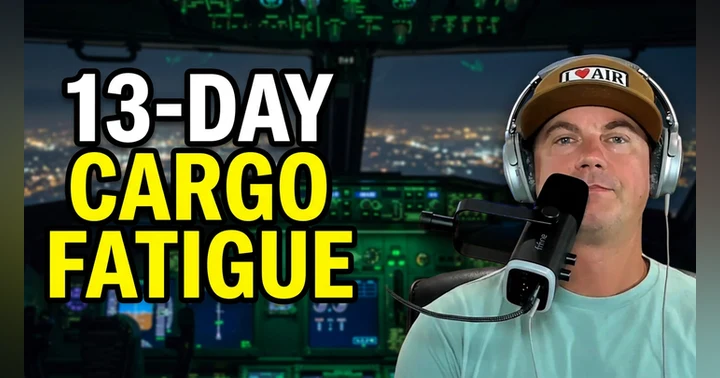
FAR Part 117 Duty Limits: How Airline Pilots Handle Timing Out Downline
When a commercial airline pilot times out at an outstation, it triggers a complex logistical chain involving FAR Part 117 duty limits, reserve crew availability, and deadhead positioning flights. Understanding these federal flight time limitations reveals why rolling flight delays occur and how airlines legally manage stranded flight deck crews away from their home bases.
Key Takeaways
- FAR Part 117 strictly governs pilot flight time, duty time, and mandatory rest periods to combat fatigue.
- Timing out at an outstation like Fort Lauderdale forces airlines to scramble for reserve crews or scheduled deadhead flights.
- Operational delays cascade quickly when weather or air traffic control issues eat into a pilot's legal duty day.
- Deadheading home allows exhausted pilots to return as passengers while off duty, but it still counts against cumulative duty limits.
- Medical and healthcare professions share striking operational safety similarities with aviation fatigue management systems.
Understanding FAR Part 117 and Pilot Fatigue Rules
For decades, commercial aviation operated under legacy rules that allowed airlines to push flight crews to physical limits. That changed significantly with the introduction of FAR Part 117, a regulatory framework specifically designed to mitigate the risks of cumulative pilot fatigue. These rules dictate exactly how many hours a pilot can be on duty, how many flight segments they can fly, and how much uninterrupted rest they must receive before stepping back onto the flight deck.
Under Part 117, a pilot's maximum allowable duty period depends on two main factors: what time their report time falls within their circadian rhythm (the Window of Circadian Low, or WOCL) and how many flight segments are assigned to their pairing. Once that clock starts ticking in the morning, the countdown begins. If an airline experiences a series of minor delays, air traffic control ground stops, or maintenance write-ups early in the day, that legal clock continues to run without pause.
The Anatomy of an Outstation Time-Out
There is nothing quite like the unique frustration of timing out at an outstation. Unlike being stuck at a pilot's home base where you can simply drive home to your own bed, timing out in a city like Fort Lauderdale means you are stranded in a hotel room while crew scheduling scrambles to find a legal solution.
When a crew times out, they legally cannot operate the aircraft any further. The flight is grounded unless a replacement crew is immediately available. However, in an industry already squeezed by pilot shortages and air traffic control staffing crises, replacement crews are rarely standing by at outstations. This is where the domino effect of airline operations takes over. Passengers watch their departure times roll from 30 minutes to two hours, and eventually to a full flight cancellation, all because a computer system calculated that the pilots had run out of legal duty time.
The Role of Airport Reserve Pilots
To combat outstation delays, airlines rely heavily on reserve pilots stationed at hubs and key focus cities. These pilots sit on short-call or long-call reserve, waiting for the phone to ring when an operational emergency arises. However, positioning a reserve pilot from a hub to an outstation to rescue a delayed flight takes time. Crew schedulers must factor in airline seat availability, deadhead logistics, and the reserve pilot's own individual duty limits before they can legally assign the trip.
Deadheading and the Pilot Limo Roulette
Once a pilot finally times out and a replacement crew is inbound, the original crew often transitions into "deadhead" status. Deadheading means the pilot is traveling as a passenger in a commercial aircraft seat or jumpseat to reposition to their base or next assignment. While they are not actively flying the plane, deadheading time still counts toward their total daily and cumulative flight duty period limitations under FAR Part 117.
Getting to and from the airport during these disrupted pairings often leads to what pilots affectionately call limo roulette. Ground transportation schedules for flight crews frequently get upended by rolling flight delays, forcing last-minute rideshare changes, frantic calls to hotel shuttle desks, and logistical acrobatics just to get the crew to their mandated rest hotel before their legal rest clock starts.
Aviation Fatigue Parallels in Healthcare
Interestingly, the strict operational frameworks used to prevent pilot fatigue under FAR Part 117 mirror emerging safety discussions in other high-stakes industries, particularly hospital healthcare systems. Surgeons, nurses, and medical residents face similar cognitive fatigue challenges during extended shifts. Just as aviation relies on standardized checklists and hard stop rules to prevent human error, modern healthcare institutions are increasingly adopting aviation-style scheduling safety limits to protect patients from exhausted medical staff.
Conclusion
Navigating the complex world of airline scheduling, duty limits, and outstation time-outs requires immense patience and precise regulatory compliance. While passengers see only a delayed departure board, the backstage reality involves a delicate balancing act of federal safety laws and crew logistics. For a deeper dive into the chaotic realities of airline pilot life, rolling delays, and behind-the-scenes industry stories, make sure to Listen to the full episode of the Black Box Aviation Podcast.
Volcanic Ash Dangers for Commercial Pilots: What Training Manuals Don't Tell You