Why Airplanes Don't Like the Cold: A Pilot's Perspective

Welcome back to the blog, aviation enthusiasts! In our latest episode of The Black Box Aviation Podcast, we delved into the fascinating and often challenging world of winter operations. We heard some incredible firsthand accounts from pilots navigating blizzards and frigid temperatures, uncovering the "cockpit gremlins" that can emerge when the mercury drops. If you haven't had a chance to listen yet, you can catch up on all the action right here: The MD-11 Mystery & Winter Ops Chaos: Pilot Stories from the Blizzard.
This blog post aims to expand on the technical realities behind those pilot stories. While a snow day might be a welcome break for many, for pilots and aviation professionals, winter presents a unique and complex set of challenges. It’s not just about navigating through snow; it's about understanding the fundamental physics that govern flight and how cold weather can conspire to disrupt them. Join us as we explore the science behind why airplanes truly don't like the cold, and the critical measures taken to ensure your safety, even on the iciest of days.
The Science of the Chill: How Cold Impacts Airplanes
At its core, aviation is a delicate dance with physics. Air density, temperature, and airflow are all meticulously calculated and relied upon for safe flight. When the ambient temperature plummets, these critical factors begin to behave differently, impacting aircraft performance in ways that require careful consideration and proactive measures. It's a cascade effect, where a change in one area can have ripple effects throughout the entire system.
Think of the air around an airplane as its lifeblood. It's what provides the lift that keeps the massive machine airborne and the oxygen that fuels its engines. When that air gets cold, it becomes denser. This might sound counterintuitive – how can something colder be heavier or more substantial? The explanation lies in the behavior of molecules. In colder air, molecules are closer together and move less vigorously. This increased molecular proximity means there are more air molecules packed into the same volume compared to warmer air. This higher density is, in some ways, beneficial for engines, as they can ingest more oxygen, leading to more powerful combustion. However, the benefits often come with significant drawbacks for other critical aspects of flight.
The most immediate and noticeable impact of cold weather on an airplane is its effect on the wings. The meticulously designed airfoil shape of a wing relies on smooth airflow to generate lift. Even a thin layer of ice, frost, or snow can disrupt this smooth airflow. This disruption is not merely cosmetic; it can significantly reduce the wing's ability to generate lift. Furthermore, the added weight of ice accumulation can strain the aircraft's structure and require longer takeoff rolls.
Beyond the aerodynamic surfaces, the cold also poses challenges for the aircraft's propulsion systems. While colder, denser air can benefit engines in terms of oxygen availability, it also introduces the risk of fuel system issues. Water, which can be present in even small amounts in jet fuel, can freeze at low temperatures, forming ice crystals. These crystals can clog fuel lines and filters, leading to engine flameout – a catastrophic scenario that pilots train extensively to prevent.
Moreover, the sheer range of temperatures an aircraft experiences during a flight, from the frigid upper atmosphere to the potentially warmer ground conditions, necessitates robust systems. Hydraulic fluids, lubricants, and even the seals within the aircraft must be designed to function across a wide spectrum of temperatures. Cold can make these fluids thicker, hindering their ability to lubricate and transmit power, and can make seals brittle, leading to leaks.
Physics at Play: Lift, Density, and Engine Performance in Freezing Temperatures
Let's dive a bit deeper into the physics. The fundamental principle behind flight is Bernoulli's principle, which, in simplified terms, states that faster-moving air exerts less pressure than slower-moving air. The airfoil shape of an airplane wing is designed to create a difference in airflow speed over its upper and lower surfaces. Air traveling over the curved upper surface has to travel a longer distance in the same amount of time as the air traveling under the flatter lower surface. This results in faster airflow and lower pressure above the wing, while the slower airflow below creates higher pressure. The pressure difference generates an upward force known as lift.
Now, introduce cold air. As mentioned, cold air is denser. This means that for the same volume of air passing over the wing, there are more air molecules. This increased density actually helps to generate more lift, all other factors being equal. However, this benefit is often overshadowed by other issues. The primary concern is the degradation of the wing's aerodynamic profile. Even a small accumulation of ice, frost, or snow—often referred to as "contamination"—can disrupt the smooth flow of air over the wing. This contamination can create turbulence, increase drag, and, most importantly, reduce the critical angle of attack, which is the angle at which the wing can generate lift before stalling. A reduced angle of attack means the pilot needs to fly faster to achieve the same amount of lift, or if they don't adjust properly, the wing might stall at a lower speed than it would in clean conditions. This is why pilots are meticulous about ensuring their wings are "clean" before takeoff.
Engine performance is another area significantly impacted by cold. While denser, colder air provides more oxygen, which can lead to increased engine power, there are also potential downsides. Carbureted engines, more common in smaller aircraft, are particularly susceptible to "carburetor ice." This occurs when humid air entering the carburetor cools rapidly as it expands, causing moisture in the air to condense and freeze on the carburetor's internal components. This ice formation can restrict airflow, leading to engine roughness or even complete engine failure. Even in jet engines, while the risk of carburetor ice is eliminated, the extreme cold can affect the performance of various sensors and systems that monitor engine operation, leading to erroneous readings or warnings.
The increased density of cold air also affects the aircraft's weight and balance. While the aircraft itself doesn't gain mass, the air it flies through has a greater mass per unit volume. This can impact the calculations used for performance, such as takeoff distance and climb rate. Pilots must account for these variations to ensure they have adequate performance margins for a safe flight.
The Critical Role of De-Icing: Keeping Wings Clean and Airfoils Efficient
Given the severe impact of contamination on aerodynamic efficiency, de-icing is not just a luxury; it's an absolute necessity for winter operations. When an aircraft is exposed to cold, precipitation, or even just frost on a cold morning, its wings, tail surfaces, and fuselage can accumulate ice and snow. These surfaces are precisely engineered to interact with the air in a specific way to generate lift and control. Even a thin layer of frozen precipitation can drastically alter this interaction, compromising the aircraft's ability to fly safely.
The de-icing process typically involves two stages: de-icing and anti-icing. De-icing is the removal of existing ice, snow, or frost from the aircraft's surfaces. This is usually accomplished using heated fluids sprayed onto the aircraft. These fluids, often a mixture of water and glycol-based chemicals, work by melting the frozen precipitation and then washing it away. Different concentrations of these fluids are used depending on the temperature and the type of contamination. For instance, a thicker fluid with a higher glycol content will have a lower freezing point and will provide more protection against re-freezing.
Anti-icing is the second, equally critical, step. After the aircraft is de-iced, a different fluid, typically thicker and with a higher glycol concentration, is applied. This fluid forms a protective layer that prevents new ice or snow from adhering to the aircraft's surfaces for a specific period. The duration of this protection, known as the holdover time, is crucial and depends on factors such as ambient temperature, precipitation rate, and the type of fluid used. Pilots must be aware of the holdover time and plan their flight accordingly, ensuring they can take off before the anti-icing protection wears off.
The entire de-icing and anti-icing process is a meticulously coordinated operation involving ground crews, de-icing trucks, and the flight crew. Pilots must carefully assess the level of contamination, communicate with the ground crew about the fluid types and application, and ensure that all critical surfaces are clean and protected. The cost of de-icing can be significant, but it is a small price to pay for the assurance of safe flight. Furthermore, the process itself requires careful planning to minimize delays. Aircraft are typically de-iced at the gate or on a designated de-icing pad. Once de-iced, they must proceed to the runway for takeoff within the specified holdover time.
The technology used in de-icing fluids has advanced significantly over the years, becoming more environmentally friendly and efficient. However, the fundamental principles remain the same: removing existing contamination and preventing its re-formation. The ability of pilots and ground crews to execute this process effectively is a testament to the rigorous training and protocols in place within the aviation industry.
Fueling for Freezing: The Importance of Fuel Planning and Preventing Ice Crystals
Beyond the external challenges of ice on the airframe, the internal systems of an aircraft are also vulnerable to the cold, particularly the fuel system. Jet fuel, while designed to perform at extreme temperatures, is not immune to the effects of freezing. The primary concern is the presence of water. Even in seemingly dry fuel, there can be trace amounts of water. This water can enter the fuel system through condensation within the aircraft's fuel tanks, especially when the aircraft undergoes significant temperature fluctuations. On the ground, as temperatures drop, any water present in the fuel tanks can freeze, forming ice crystals.
These ice crystals are a serious threat to engine operation. They can clog fuel filters and lines, restricting or completely blocking the flow of fuel to the engines. In severe cases, this can lead to engine flameout, where the engine stops running. Preventing ice formation in the fuel system begins with proper fuel handling and management. Fuel suppliers have strict procedures for ensuring fuel is free of water and contaminants. However, vigilance on the part of the airline and flight crew is also essential.
One of the most critical aspects of winter fuel planning is the use of fuel additives. Certain additives, like Di-EGME (Diethylene Glycol Monomethyl Ether), are commonly used in aviation fuels. These additives work by absorbing any free water in the fuel and lowering its freezing point, effectively preventing the formation of ice crystals. The decision to add these agents is based on anticipated operating conditions and temperature forecasts. Pilots will typically confirm with maintenance and dispatch that the appropriate fuel additives have been used when operating in cold weather environments.
Another crucial element of fuel planning in winter is ensuring sufficient fuel reserves. The increased workload on engines during takeoff and climb in cold, dense air, coupled with potential delays due to weather or de-icing operations, means that aircraft may burn more fuel than initially anticipated. Airlines and pilots must factor in these potential increases when calculating the amount of fuel required for a flight, including reserves for diversions and holding patterns. This ensures that even if conditions are less than ideal, the aircraft will have enough fuel to reach its destination or a safe alternate airport.
The constant monitoring of fuel quantity and the health of the fuel system are also paramount. Modern aircraft are equipped with sophisticated fuel quantity indication systems and may even have sensors to detect potential issues like water contamination. Pilots are trained to regularly check their fuel status and to be aware of any anomalies that might suggest a problem with the fuel system, especially during cold weather operations.
Pilot Stories from the Blizzard: Real-World Challenges and 'Cockpit Gremlins'
The technical challenges we've discussed are not just theoretical; they manifest in real-world scenarios, often creating intense pressure and demanding the utmost skill and composure from pilots. The stories shared in our latest episode paint a vivid picture of this reality. The mention of "cockpit gremlins" is a pilot's way of describing those unexpected, often baffling, issues that can arise when the aircraft's systems are pushed to their limits by adverse weather.
Imagine being on the ramp at Newark Liberty International Airport (EWR) on a sub-zero night, surrounded by snow and ice. This is precisely the kind of scenario our pilot, Mike, recounted in the episode. In such conditions, the aircraft's electrical systems can behave erratically. Sensors might send false readings, leading to a cascade of warning lights and alarms. These "gremlins" can be anything from a malfunctioning navigation display to a seemingly inexplicable engine alert. The challenge for the pilot is to quickly and accurately diagnose the source of the problem amidst the chaos of a blizzard and the pressure to get the flight underway safely.
These situations demand a deep understanding of the aircraft's systems and a robust "checklist mentality." When a warning light illuminates, pilots don't panic; they refer to their checklists, which are step-by-step guides designed to address specific malfunctions. However, in severe weather, it's not always a straightforward case of following a checklist. Pilots must use their experience and judgment to interpret the symptoms and determine the best course of action. Sometimes, a warning light might indicate a minor issue that can be managed, while at other times, it might necessitate delaying or canceling the flight to ensure safety.
The story of a missing crew member, as hinted at in the episode's description, further highlights the operational complexities. In a blizzard, visibility can be severely reduced, and communication can be hampered by the elements. Ensuring that all personnel are accounted for and that all necessary pre-flight checks are completed in a timely manner, while also battling the weather, adds another layer of difficulty to an already demanding task.
These are the moments when pilots truly earn their wings. It's not just about the technical knowledge; it's about the resilience, the problem-solving skills, and the unwavering commitment to safety that allows them to navigate these high-stakes situations. The stories from the blizzard serve as a powerful reminder of the unseen efforts and the extraordinary challenges that pilots face to keep the world moving, even when the weather is at its worst.
Beyond the Cold: Other Winter Operations Considerations
While the cold itself presents a myriad of challenges, winter operations encompass a broader spectrum of considerations that extend beyond just freezing temperatures. Airports themselves become complex logistical puzzles in winter. Snow removal operations are a constant battle, requiring specialized equipment and highly coordinated efforts to keep runways, taxiways, and aprons clear and safe for aircraft operations. The efficiency of these operations directly impacts airline schedules and the potential for delays.
Visibility is another significant factor. Snowfall, fog, and reduced daylight hours during winter can severely impair a pilot's ability to see the runway and navigate the airport environment. This often leads to increased reliance on instrument landing systems and ground radar, as well as stricter adherence to minimum visibility requirements for takeoff and landing. Reduced visibility can also impact ground operations, making it more difficult for ground crews to service aircraft and for pilots to taxi safely.
Wind is also a critical consideration during winter. Cold air masses are often associated with strong and gusty winds, which can significantly affect an aircraft's handling during takeoff and landing. Pilots must be proficient in managing crosswinds and gusting conditions to maintain control of the aircraft. The combination of ice on the runway and strong winds can create particularly challenging landing and takeoff scenarios.
Furthermore, the increased demand for heating and de-icing operations during winter puts a strain on airport infrastructure and resources. Power grids can be stretched, and the availability of de-icing fluids and equipment becomes a critical logistical challenge for airports and airlines alike. Airlines must also contend with the potential for increased maintenance needs as the cold can exacerbate wear and tear on aircraft components. Lubricants can thicken, seals can become brittle, and metal fatigue can be accelerated by extreme temperature fluctuations.
The human element is also a significant factor. Long hours, exposure to the elements, and the constant pressure of operating in challenging conditions can take a toll on flight crews and ground personnel. Effective communication, teamwork, and a shared commitment to safety are essential to overcoming these hurdles. The coordination between pilots, air traffic control, dispatchers, and ground crews becomes even more critical during winter operations to ensure a seamless and safe flow of air traffic.
Conclusion: The Unseen Efforts Behind Safe Winter Flights
As we've explored in this blog post and our latest podcast episode, The MD-11 Mystery & Winter Ops Chaos: Pilot Stories from the Blizzard, winter presents a formidable array of challenges for aviation. It's a time when the fundamental principles of flight are tested, and the meticulous planning and execution of safety protocols become paramount. From the physics of lift and density to the critical procedures of de-icing and fuel management, every aspect of an aircraft's operation is scrutinized and adjusted to account for the frigid conditions.
The "cockpit gremlins" and "sketchy" departures that our pilots shared are not merely anecdotal tales; they are vivid illustrations of the real-world consequences of cold weather on complex machinery operating in a demanding environment. They underscore the immense skill, training, and dedication required from every individual involved in aviation, from the flight crew in the cockpit to the ground crews preparing the aircraft and air traffic controllers guiding them through the skies. The next time you experience a weather delay, take a moment to appreciate the unseen efforts and the scientific ingenuity that go into ensuring your safe passage, even when the world outside is frozen solid. Thank you for joining us on this deep dive into the science of winter flying!
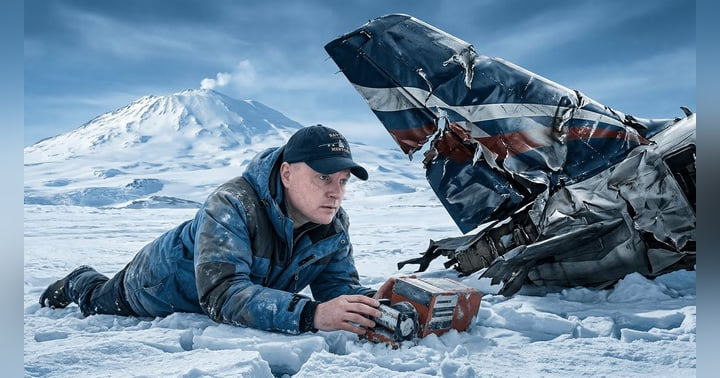
Beyond the Tragedy: The Unbelievable Luxury of the Erebus Sightseeing Flight