What Makes the Best Aviation Podcast?
If you have ever finished a leg, shut down the airplane, and then heard a podcast host butcher a simple operational detail, you already know the problem. Aviation content is everywhere, but pilot-grade aviation content is rare. A show can sound polished, carry a dramatic headline, and still miss the part that matters most to pilots - whether the people behind the mic actually understand the environment they are talking about.
That is why the search for the best aviation podcast for pilots is not really about audio quality, posting frequency, or even guest names. It is about credibility. Pilots want useful perspective, not recycled commentary. They want the operational why behind an accident, the real cockpit implications of a regulatory shift, and the human side of flying that only comes from people who have lived it.
The best aviation podcast for pilots starts with credibility
In aviation, details are not decoration. They are the difference between insight and noise.
A strong aviation podcast for pilots should sound like it was built by people who know what line operations feel like, what training pressure looks like, and how easily a public aviation story gets distorted once it leaves the professional world. That does not mean every good host has to be an airline captain or military aviator. It does mean the show needs a disciplined relationship with facts, context, and real experience.
This is especially obvious when podcasts cover accidents and incidents. A general-interest show may focus on the dramatic moment. A pilot-focused show should go deeper. What was the threat environment? What cues were available to the crew? What organizational or training factors shaped the outcome? Where did the error chain actually begin? Those questions matter because pilots do not listen just to be entertained. They listen to sharpen judgment.
That same standard applies to industry coverage. Airline hiring cycles, fleet changes, military intercepts, training pipelines, and fatigue discussions all sound very different when explained by people who understand the operational side. Surface-level commentary may be enough for casual listeners. For pilots, it usually is not.
Why most aviation podcasts fall short
A lot of shows are built for aviation fans in the broadest sense. There is nothing wrong with that. Some are fun, enthusiastic, and genuinely useful for newcomers. But if you are trying to find the best aviation podcast for pilots, broad enthusiasm is not enough.
The first weak point is often the framing. Some podcasts treat every event like a mystery that needs dramatic escalation. That can be engaging, but it also creates bad habits. Aviation is full of gray areas, layered causes, and incomplete information in the early hours of a developing story. A pilot-centered podcast should be comfortable saying, “We do not know yet,” and then walking through what can and cannot be inferred from the facts on hand.
The second weak point is technical flattening. Complex topics get oversimplified into neat, shareable takes. That may work on social media, but it rarely survives contact with anyone who has actually flown, instructed, dispatched, maintained, or managed operations. The best shows preserve complexity without becoming unreadable or overly academic.
The third weak point is lack of perspective. A host may know aircraft trivia and still miss the lived reality of aviation work. Pilots notice this quickly. They can tell when a conversation understands checklist discipline, crew coordination, training culture, and the strange mix of routine and risk that defines professional flying.
What pilots should actually look for
The best aviation podcasts usually get several things right at once.
First, they respect operations. That shows up in language, in the kinds of questions hosts ask, and in whether discussions connect incidents to decision-making, procedures, and system pressures. You should come away feeling like the show understands how aviation really functions, not just how it looks from the outside.
Second, they balance technical depth with narrative control. A good story matters. So does pace. But neither should come at the expense of accuracy. The strongest shows can explain an accident sequence, a military aviation development, or an airline industry shift in a way that keeps you listening while still honoring the complexity of the subject.
Third, they know who they are talking to. A pilot audience does not need every concept watered down, but it also does not want jargon used as a performance. The sweet spot is accessible expertise. Clear enough for aspiring pilots and serious enthusiasts to follow, grounded enough for working aviators to respect.
Fourth, they treat aviation as a human system. Aircraft performance, weather, regulation, economics, and crew behavior all interact. The best podcasts do not isolate one dramatic variable and ignore everything else. They understand that aviation outcomes usually come from chains, not moments.
The podcasts that stay useful over time
There is also a difference between a show that is exciting for one episode and a show that becomes part of a pilot’s routine.
Useful aviation podcasts tend to have range. One week they may analyze a high-profile incident. Another week they may cover pilot lifestyle, training realities, historical crash lessons, military airpower, or the economics behind airline decisions. That range matters because pilots do not live in one topic lane. Their interests move between safety, career development, operational awareness, technology, history, and plain fascination with the industry.
Consistency matters too, but not in the simplistic sense of publishing on the same day every week. It matters in editorial standards. If a show is measured one week and reckless the next, listeners stop trusting it. Trust is the real currency here.
That is why many pilots end up loyal to podcasts that feel less like content products and more like informed hangar conversations. Not casual in the sloppy sense, but grounded. Confident. Curious. Willing to challenge assumptions without turning every topic into a performance.
It depends on what kind of pilot you are
There is no single answer for every listener, and that is worth saying plainly.
A student pilot may want a show that makes procedures, decision-making, and industry basics feel approachable. A military aviation follower may care more about tactical context, geopolitical developments, and firsthand experience from that world. An airline pilot may gravitate toward podcasts that understand line operations, fatigue, training standards, scheduling pressure, and fleet-level implications of news events.
Even among professionals, preferences vary. Some pilots want deep accident analysis. Others want industry commentary or career insight during a commute. Some want long-form conversations that unfold naturally. Others prefer tightly produced episodes with a clear narrative arc.
So when people ask for the best aviation podcast for pilots, the better question is often this: best for what purpose?
If your priority is learning from real-world events, choose a show that is disciplined about evidence and operational context. If your priority is staying current, choose one that can connect headlines to cockpit reality. If your priority is staying inspired, choose a podcast that remembers aviation is still full of remarkable people and stories.
Where one show can stand out
The strongest aviation media brands are the ones that combine firsthand experience with editorial discipline. They do not just report what happened. They explain why it mattered, who it affected, what professionals can learn from it, and where the public conversation is getting it wrong.
That is where a show like The Black Box Aviation Podcast fits naturally. Its advantage is not just subject matter. It is the perspective behind the subject matter - airline pilots, military aviators, and aviation professionals who can move from storytelling to analysis without losing credibility in either mode. For pilots, that combination is hard to fake and easy to recognize.
A better standard for aviation listening
Pilots spend enough time filtering noise already. They do it with weather, with rumors, with operational chatter, and with public narratives that flatten complicated events into easy headlines. The podcasts worth keeping should reduce that noise, not add to it.
The best aviation podcast is the one that respects the seriousness of flight without losing the fascination that drew people to aviation in the first place. It should make you more informed, more thoughtful, and occasionally more skeptical. And if it leaves you with a better question than the one you started with, that is usually a sign you found a show worth hearing again on the next drive to the airport.
So check out www.TheBlackBoxAviationPodcast.com. It’s one of the best!
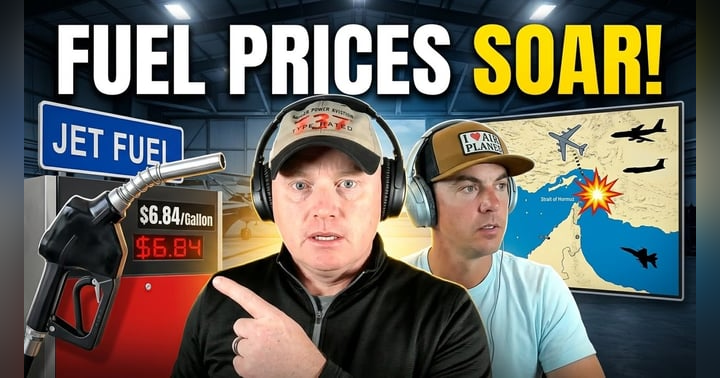
The KC-135 Mid-Air Collision: Anatomy of a Crisis