TSA Shutdown: What It Means for Your Next Flight
Welcome back to the Black Box Aviation Podcast blog! In our latest episode, we delved into a confluence of aviation news that impacts everything from national defense to your personal travel experience. Today, we're focusing on a story that directly affects every air traveler: the looming threat of TSA shutdowns and their tangible consequences. If you haven't caught the episode yet, you can dive right in here: F-35 Missile Strike, TSA Shutdown Chaos & The $27K Tarmac Rule. This post will expand on the critical issues surrounding TSA funding and what it means for you, the passenger.
The TSA Funding Crisis and Your Travel Plans
The Transportation Security Administration (TSA) is the frontline of airport security, a visible and often scrutinized agency responsible for keeping millions of travelers safe every single day. However, when government funding falters, this vital service can be significantly disrupted. In recent times, we've seen congressional budget stalemates translate into real-world problems for TSA employees and, by extension, for passengers. This isn't just about a theoretical budget gap; it's about the operational capacity of an agency that underpins the entire aviation ecosystem.
The core of the issue lies in the government's appropriations process. When Congress fails to pass a budget, federal agencies, including the TSA, often operate under continuing resolutions or, in the worst-case scenario, face partial shutdowns. This means that essential personnel may not receive their paychecks, leading to a demoralized workforce and, critically, an increased rate of absenteeism. For the TSA, this translates directly into fewer officers available to screen passengers and baggage. The implications of this are far-reaching, as we'll explore further.
What's Causing the TSA Shutdown?
The TSA, like many government agencies, relies on annual appropriations from Congress. When disagreements arise over spending priorities, agency budgets can be caught in the crossfire. In the context of our recent episode, the specific funding issues that led to increased call-out rates among TSA agents were a direct result of a political impasse. These impasses can stem from a variety of complex legislative battles, ranging from broad fiscal policy disagreements to specific program funding debates.
The reality is that the TSA's operational budget is a political football. When lawmakers can't agree on the overall federal budget, agencies that are not deemed "essential" for national defense or critical public safety can see their funding put on hold. While TSA's mission is undeniably critical, its funding stream is subject to the same political pressures as any other government department. This creates a precarious situation where the travel plans of millions can be jeopardized by legislative gridlock.
Furthermore, the nature of TSA employment can exacerbate the impact of funding issues. Many TSA officers are federal employees whose paychecks are contingent on congressional action. During periods of funding uncertainty, these employees may face delayed or missed paychecks. This can lead to significant financial hardship, increasing stress and potentially prompting employees to seek more stable employment elsewhere. The result is a reduced workforce and a strain on existing personnel, leading to burnout and further operational challenges.
The show notes for our episode mention an "11% worker call-out rate." This figure is not insignificant. It suggests that a substantial portion of the TSA workforce was absent during a critical period, directly impacting the agency's ability to function at full capacity. This isn't a situation where a few employees are taking a sick day; it's indicative of a systemic issue driven by broader governmental dysfunction. When TSA officers are faced with financial insecurity, their ability to perform their demanding jobs effectively is compromised. This creates a vicious cycle where funding problems lead to staffing shortages, which in turn create operational problems, potentially leading to further public outcry and political pressure.
Real-World Impact: Longer Lines and Potential Delays
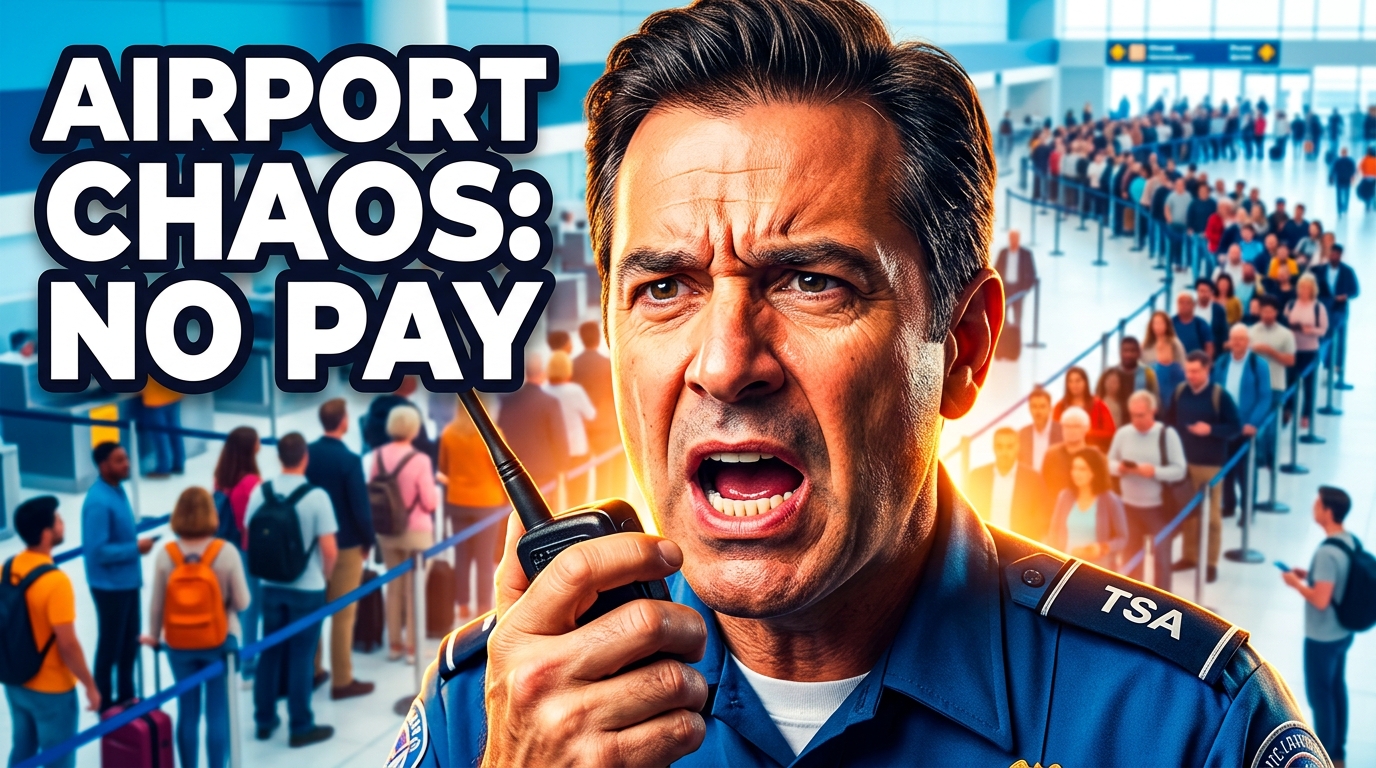
The most immediate and visible consequence of TSA funding issues is the impact on airport security lines. With fewer officers on duty, the capacity to screen passengers is reduced. This invariably leads to longer wait times at security checkpoints. For travelers, this can mean missed flights, missed connections, and a generally stressful start to their journey. Imagine arriving at the airport with ample time, only to find yourself in a line that snakes endlessly through the terminal, with the clock ticking down to your boarding time.
The "nightmarish" security lines described in our episode are not an exaggeration. They are a direct manifestation of insufficient staffing. When wait times extend beyond an hour, or even two, it creates a domino effect. Passengers who miss their flights may experience further delays, increased costs for rebooking, and significant disruption to their travel plans. For business travelers, this can mean missed meetings and lost revenue. For leisure travelers, it can mean the start of a vacation marred by frustration and anxiety.
Beyond just longer lines, there's also the potential for security vulnerabilities. While the TSA is committed to maintaining its security standards, a severely understaffed agency may be forced to make difficult choices about resource allocation. This could potentially lead to shortcuts or reduced screening protocols in certain areas, although the agency would, of course, strive to avoid this. The psychological impact on both passengers and TSA employees should not be underestimated. Passengers become anxious and frustrated, while TSA officers, already working under pressure, may feel their efforts are being undermined by systemic issues beyond their control.
The ripple effect of these delays extends beyond the individual traveler. Airlines operate on tight schedules. A significant number of passengers missing their flights can impact boarding times, gate availability, and the overall efficiency of airline operations. This can lead to cascading delays throughout the day, affecting multiple flights and airports. In essence, a TSA shutdown, or even a significant reduction in its operational capacity due to funding issues, can bring parts of the aviation system to a grinding halt.
Beyond the TSA: Other Aviation News from the Episode
While the TSA shutdown is a critical topic for travelers, our latest episode of The Black Box Aviation Podcast covered a breadth of fascinating aviation news. We touched upon the cutting-edge world of military aviation, discussing reports of an F-35 Lightning II being damaged by an Iranian surface-to-air missile. This segment offered a glimpse into the advanced defensive capabilities of modern stealth fighters and the evolving landscape of aerial combat. Understanding the technology and tactics employed in such scenarios provides valuable context for the broader aviation industry.
The episode also explored the economic disparities within the airline industry, highlighting the "K-shaped" economy where some carriers, like Delta, are optimistic about recovery and growth, while others, like United, are cutting flights in response to rising fuel prices (over $100 a barrel). This economic volatility directly influences ticket prices, route availability, and the overall travel experience for consumers. Understanding these market dynamics can help travelers make informed decisions about when and where to book their flights.
We also revisited a significant event in aviation history: the "2007 Valentine's Day Massacre" which saw a JetBlue operational meltdown at JFK. This incident was a pivotal moment, ultimately leading to the establishment of the modern Passenger Bill of Rights. Understanding the historical context of passenger protections is crucial for travelers to know their rights and what to expect from airlines during disruptions.
The show notes also alluded to the surreal story of a British Airways crew flying a deceased passenger from Hong Kong to London. While this might seem like a niche topic, it speaks to the complex and often unacknowledged operational realities of the airline industry. These are the behind-the-scenes stories that often go untold, but are vital to understanding the full scope of aviation operations.
Finally, the fact that major UK news outlets are reaching out to the Black Box team for sources underscores the credibility and insight our podcast offers into the aviation world. This demonstrates the growing importance of accurate and informed aviation news, especially in times of uncertainty.
What Travelers Can Do to Prepare
Given the potential for TSA disruptions and other travel delays, proactive preparation is key. Here are some strategies travelers can employ:
Stay Informed:
Keep a close eye on news outlets and official TSA announcements regarding airport operations. Follow your airline on social media for real-time updates. Our podcast is also a great resource for staying ahead of these issues.Arrive Early:
This is perhaps the most crucial piece of advice. Factor in potential delays at security by arriving at the airport significantly earlier than you normally would. For domestic flights, consider arriving at least two to three hours before departure, and for international flights, three to four hours.Pack Smart:
Ensure your carry-on luggage is organized and compliant with TSA regulations. Having liquids, electronics, and other items readily accessible can significantly speed up your screening process. Consider a clear, quart-sized bag for liquids.Utilize TSA PreCheck or Global Entry:
If you are a frequent traveler, investing in programs like TSA PreCheck or Global Entry can dramatically reduce your time spent at security. These expedited screening programs allow eligible travelers to keep their shoes, belts, and loose outerwear on, and leave laptops and liquids in their carry-on bags. While these programs have an annual fee, the time and stress savings can be well worth the investment, especially during periods of increased congestion.Have a Contingency Plan:
Think about what you'll do if you miss your flight. Know the airline's rebooking policies and have their customer service number readily available.Be Patient and Polite:
While frustrating, remember that TSA agents and airline staff are doing their best under challenging circumstances. A calm and respectful demeanor can often lead to more positive interactions.Pack Smart for Checked Baggage:
While not directly related to TSA screening lines, ensuring your checked baggage is packed efficiently and that you've declared any restricted items can prevent further delays at check-in.Consider Travel Insurance:
For significant trips, travel insurance can offer a safety net against unexpected disruptions, including flight cancellations or significant delays that might incur extra costs.
Conclusion: The Broader Implications of Government Shutdowns on Travel
The TSA shutdown issue, as discussed in our latest episode, "F-35 Missile Strike, TSA Shutdown Chaos & The $27K Tarmac Rule," is a potent reminder of how interconnected our world is and how governmental decisions can have direct, tangible impacts on our daily lives. When critical infrastructure, like airport security, is subject to the whims of political negotiation, the ripple effects are felt by millions of travelers. This isn't just about inconvenience; it's about the reliability and security of our transportation systems.
The TSA's mission is vital. Its officers are on the front lines, ensuring the safety of our skies. When their funding is uncertain, it not only creates hardship for them but also compromises the efficiency and effectiveness of the entire travel ecosystem. As passengers, we are left to navigate longer lines, increased stress, and the potential for missed flights. The situation highlights the need for stable, consistent funding for essential government services, even during periods of political disagreement. We hope this blog post, and the related episode, has provided you with a deeper understanding of this critical issue. We encourage you to continue listening to The Black Box Aviation Podcast for more in-depth discussions on the aviation world, from the runway to the cockpit and beyond.
Beyond the Headlines: Deconstructing the LGA Air Canada Collision