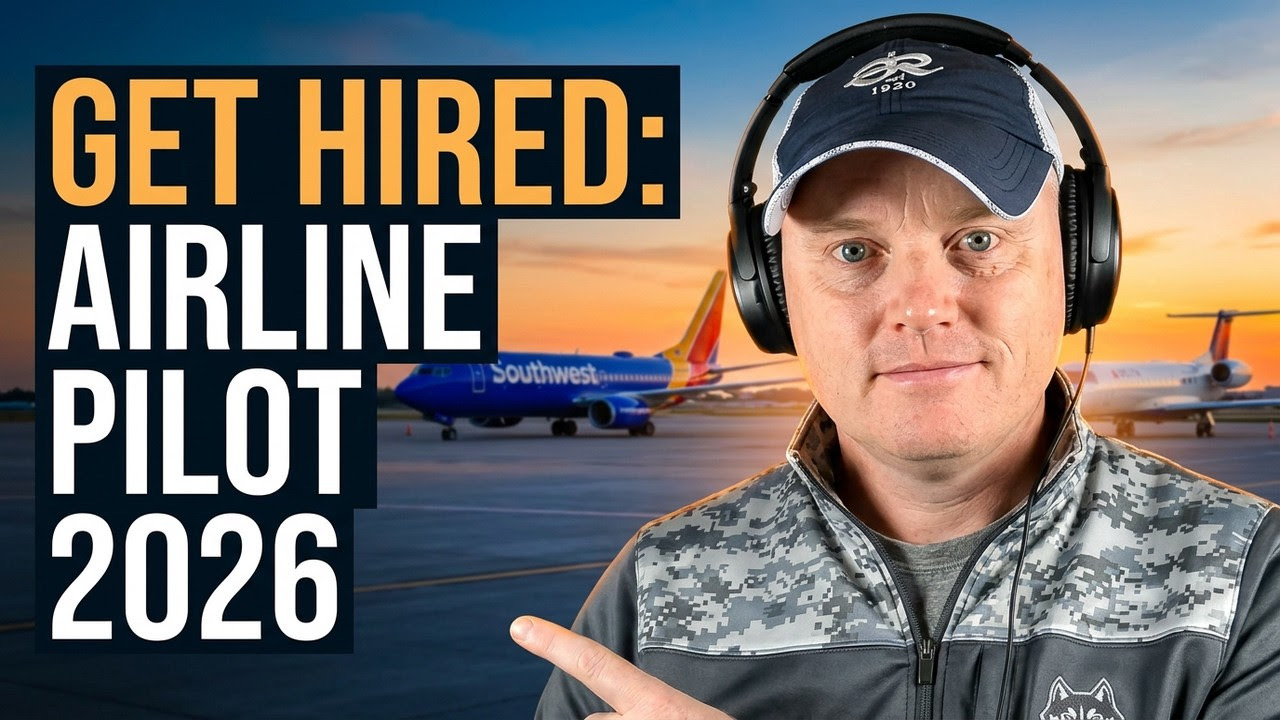
The 'Scrub' is Real: What Major Airlines Look For in Pilot Candidates for 2026
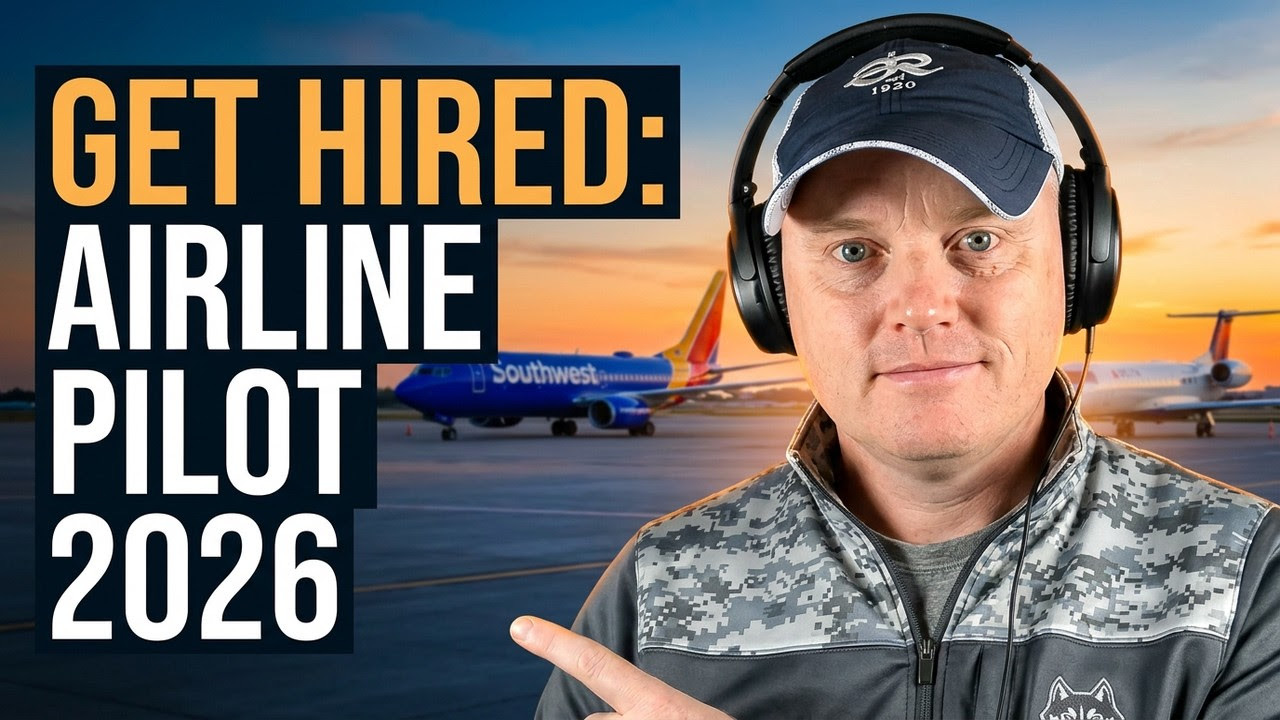
Welcome back to the blog, aviation enthusiasts! In our latest episode of The Black Box Aviation Podcast, we dove deep into the whirlwind of pilot hiring for 2026, with a special focus on what airlines like Southwest are scrutinizing. You can catch that incredible discussion right here: Pilot Hiring 2026: Southwest Apps, Checkride Failures, and Legacy Forecast. This blog post is designed to expand on those crucial points, providing a more in-depth look at the rigorous process every aspiring airline pilot faces – the infamous 'scrub'. With major carriers hiring at an unprecedented pace, understanding what recruiters are truly looking for is no longer just an advantage; it's a necessity.
Understanding the 'Scrub': What Recruiters Are Really Looking For
The term 'scrub' in the aviation hiring world refers to the intensive, multi-layered process by which airline recruiters sift through hundreds, sometimes thousands, of pilot applications. It's not just about meeting the minimum requirements; it's about presenting a profile that screams "hire me" and, more importantly, "won't cause us problems down the line." Think of it as a deep forensic examination of your aviation journey. Recruiters aren't just looking for a clean record; they're looking for evidence of professionalism, good decision-making, and an unwavering commitment to safety. This process starts the moment your application hits their system and continues through every single interaction you have with the airline, from the initial online form to the final handshake.
In 2026, this 'scrub' is more critical than ever. The pilot shortage continues to bite, and while airlines are desperate to fill cockpits, they are also acutely aware of the risks associated with bringing the wrong person into their operation. A single bad hire can lead to safety incidents, costly investigations, negative public relations, and damage to an airline's hard-earned reputation. Therefore, the 'scrub' is designed to identify not just the most qualified pilots, but the most *suitable* pilots. This suitability encompasses a broad range of factors, from the technical prowess evident in your flight hours to the subtle behavioral cues you might exhibit in an interview. It's a holistic evaluation, and understanding its components is the first step toward navigating it successfully.
Deconstructing the Application: Beyond the Resume
Your application is the gateway. For many aspiring pilots, the resume is a vanity project, a chance to highlight achievements. But for airline recruiters, the application form is a meticulously crafted legal document. Every field, every checkbox, every narrative question is designed to elicit specific information that can be cross-referenced and verified. Missing information, inconsistencies, or vague answers are red flags. Recruiters are trained to spot these anomalies and will often use them as grounds for immediate disqualification. This isn't about being tricky; it's about ensuring candidates are detail-oriented, honest, and understand the gravity of professional aviation.
Beyond the basic biographical data and flight experience, airlines are increasingly delving into qualitative aspects of your application. They want to understand your motivations, your decision-making processes, and your understanding of crew resource management (CRM). Questions about past challenges, how you handled them, and what you learned are not designed to trip you up, but to reveal your resilience and your capacity for growth. Think about the examples you choose carefully. Are they generic, or do they illustrate a specific learning moment that improved your piloting skills or your understanding of aviation safety? A well-articulated story, even about a minor mishap, can be far more compelling than a perfect but uninspired record.
Furthermore, the way you fill out the application speaks volumes. Is it grammatically correct? Are there typos? Is it neatly formatted? These details, while seemingly minor, reflect your attention to detail – a paramount trait for any pilot. Inconsistency between your resume, your application, and your LinkedIn profile can also raise eyebrows. Recruiters are skilled at spotting these discrepancies, and they often lead to further questioning or outright rejection. The advice for 2026 is clear: treat every part of your application as a critical component of your overall presentation. Don't just fill it out; curate it.
Logbook Deep Dive: Military vs. Civilian
Your logbook is the factual bedrock of your flying career. It's the official record of your achievements, your training, and your experience. For military pilots, this often comes in the form of a "green folder," a meticulously organized and comprehensive record of their service. For civilian pilots, it's typically a more traditional logbook, either digital or paper. Regardless of the format, recruiters will scrutinize it with an eagle eye.
The primary goal of the logbook review is to verify the flight hours claimed in your application. But it goes much deeper. They are looking for the *quality* of those hours. Are they relevant to the type of flying you'll be doing at a major airline? Have you accumulated sufficient experience in various conditions and aircraft types? For civilian pilots, this might involve looking for cross-country time, instrument time, and night flying. For military pilots, the experience gained in demanding operational environments is often highly valued.
A critical distinction often arises between military and civilian training. The 88/89 checkride codes, for instance, are a familiar shorthand for military pilots. An "88" often signifies a satisfactory performance, while an "89" might indicate a satisfactory performance with minor deviations. While airlines understand the military training system, clarity and context are still important. If you have any ambiguous entries or codes in your logbook, be prepared to explain them. Similarly, civilian pilots with checkride failures or unusual training paths need to be ready to provide a clear and concise explanation. The key is transparency and demonstrating that any past challenges were learning opportunities.
The "pushing the button" mentality, as discussed in our podcast episode, is also reflected in the logbook. Airlines want to see evidence that you've consistently pursued your training and career goals, accumulating the necessary ratings and hours in a timely and efficient manner. A logbook that shows consistent progress, with minimal gaps or delays, suggests a motivated and driven individual. Conversely, a logbook with extended periods of inactivity or inconsistent training patterns might raise questions about commitment and professional development.
Navigating Past Mistakes: Checkride Failures and Interview Strategies
This is arguably the most nerve-wracking aspect for many aspiring pilots: how to address past mistakes, particularly checkride failures. The good news is that a single checkride failure doesn't automatically disqualify you. What matters is how you handle it. Airlines understand that aviation training is challenging, and everyone makes mistakes. What they want to see is accountability, a proactive approach to improvement, and a clear understanding of what went wrong and how you rectified it.
When asked about a checkride failure, honesty and brevity are your allies. Don't try to downplay it, and certainly don't blame the examiner. Instead, focus on the specific area where you struggled, what you learned from the experience, and what steps you took to improve. Did you seek additional training? Did you review specific procedures? Did you practice until you were proficient? Demonstrating that you took ownership of the failure and actively worked to overcome it can turn a potential negative into a positive. Our podcast episode specifically tackles how to approach these discussions with recruiters, and the consensus is that a well-prepared and honest answer is far more effective than avoidance.
Beyond checkride failures, your interview strategy is paramount. This is where you bring your personality, your professionalism, and your passion for aviation to life. Recruiters are not just assessing your technical knowledge; they are assessing your ability to fit into their company culture, your communication skills, and your decision-making under pressure. Practice common interview questions, but also prepare for behavioral questions that require you to draw on specific examples from your career. Think about situations where you demonstrated leadership, teamwork, problem-solving, and a commitment to safety. Remember, the interview is a two-way street. Ask thoughtful questions about the airline and the role. This shows engagement and genuine interest.
The "scrub" extends to your entire interaction with the airline. This includes your demeanor during the interview, your responses to hypothetical scenarios, and even how you interact with other candidates if you're part of a group interview. Professionalism, respect, and a positive attitude are non-negotiable. Even minor missteps in these areas can be amplified during the thorough vetting process. Therefore, preparation should encompass not just the technical aspects of flying but also the soft skills that make a well-rounded and valuable crew member.
The Power of Recommendations: Phase 2 Hiring
For many airlines, the hiring process doesn't end with a successful interview. Phase 2 often involves reference checks and letters of recommendation. This is where your network and the relationships you've built throughout your career come into play. Airlines will contact the individuals you've listed as references to gain further insight into your character, work ethic, and piloting capabilities. Choosing your references wisely is crucial. Select individuals who know you well, can speak to your strengths, and have a positive impression of your performance.
Letters of recommendation, while sometimes optional, can significantly bolster your application. A well-written letter from a respected figure in your aviation circle can provide a powerful endorsement. This could be a former instructor, a mentor, a commanding officer, or a senior pilot you've flown with. These letters should go beyond a simple statement of fact and offer specific anecdotes that highlight your skills, professionalism, and dedication. If you're seeking recommendations, give your referees ample time and provide them with information about the airline and the role you're applying for, so they can tailor their letter effectively.
The 'scrub' at this stage is about validating the information you've presented and gathering additional perspectives. Recruiters are looking for consistency in feedback from your references and recommenders. Any significant discrepancies can raise concerns. This phase of the hiring process emphasizes the importance of building and maintaining strong professional relationships throughout your career. Your reputation precedes you, and it's often confirmed or contradicted by those who have worked alongside you.
Hiring Forecast: What Major Airlines (Unofficially) Need in 2026
As we discussed in our latest podcast episode, the hiring landscape for 2026 is dynamic and incredibly promising for aspiring pilots. While official numbers are often guarded closely, the informal projections for major airlines like United, Delta, and American point to significant hiring needs. The demand for qualified pilots remains exceptionally high, driven by retirements, fleet expansions, and increased travel demand.
For United Airlines, the focus is on a steady intake of pilots across various experience levels, with a particular emphasis on those with robust multi-engine jet experience. Delta Airlines continues its commitment to hiring, seeking pilots who demonstrate strong leadership potential and a deep understanding of operational efficiency. American Airlines, like its major counterparts, is actively recruiting to fill upcoming vacancies, prioritizing candidates with a proven track record of safety and professionalism.
Spirit Airlines and other low-cost carriers are also experiencing robust hiring, often serving as a crucial stepping stone for pilots looking to gain experience before transitioning to the legacy carriers. These airlines often have slightly different hiring criteria, sometimes focusing more on raw hours and the ability to adapt quickly to their operational tempo. Regardless of the specific airline, the underlying requirements remain consistent: a strong safety record, excellent decision-making skills, and a commitment to continuous learning and improvement.
The unofficial forecasts suggest that this hiring frenzy is likely to continue well into 2026 and beyond. This presents an unparalleled opportunity for pilots at all stages of their careers. However, with this opportunity comes increased competition. The 'scrub' will likely become even more refined as airlines seek to identify the absolute best candidates from a larger pool. Therefore, understanding these trends and tailoring your application and preparation accordingly is more important than ever.
Key Takeaways for Aspiring Airline Pilots
The journey to becoming an airline pilot is a marathon, not a sprint, and the 'scrub' is a crucial hurdle. Here are the key takeaways to keep in mind for 2026:
- Honesty and Transparency are Paramount: Never misrepresent your experience or your past. Be upfront about any challenges and focus on what you learned.
- Detail Matters: Treat every part of your application with meticulous care. Typos, inconsistencies, or missing information can be disqualifying.
- Quality over Quantity: While flight hours are essential, the *type* and *quality* of those hours are equally important. Demonstrate relevant experience.
- Prepare for the "Why": Be ready to explain your career choices, your motivations, and how you've overcome obstacles.
- Build Your Network: Strong professional relationships are invaluable for references and recommendations.
- Professionalism in All Interactions: Your behavior during interviews and any other contact with the airline reflects your suitability.
- Continuous Learning: Show that you are committed to ongoing development, both technically and personally.
The 'scrub' is indeed real, but with diligent preparation, a commitment to honesty, and a deep understanding of what airlines are looking for, you can navigate it successfully and achieve your dream of flying for a major airline. As always, keep tuning into The Black Box Aviation Podcast for more insights and discussions on the ever-evolving world of aviation. We're here to help you stay informed and prepared for whatever the future of flight holds. Fly safe!

What Makes a Great Pilot Stories Podcast?