The KC-135 Mid-Air Collision: Anatomy of a Crisis
Introduction: The KC-135 Incident and its Significance
Welcome back to The Black Box Aviation Podcast blog! This week, we're diving deep into a critical incident that sent ripples through the aviation world and beyond. In our latest episode, "Aviation Crisis: KC-135 Crash, Oil Volatility, and P-3 Orion Missions," we tackled a complex story involving a mid-air collision of a KC-135 Stratotanker over Iraq. This blog post aims to expand on those discussions, providing a detailed breakdown of the events, the contributing factors, and the far-reaching implications of such a serious aviation mishap. The KC-135, a workhorse of aerial refueling operations, plays a vital role in global military air power projection. An incident involving such an aircraft isn't just a matter of aviation safety; it carries significant geopolitical and economic weight. Understanding the intricacies of this crisis is paramount for anyone interested in the operational realities of modern air forces and the interconnectedness of aviation with global markets and security.
The Sequence of Events: A Mid-Air Collision Over Iraq
The incident, as reported and subsequently analyzed, involved a mid-air collision between two KC-135 Stratotankers during a complex aerial refueling mission. While specific operational details are often classified, the general sequence of events paints a harrowing picture. These aircraft were operating in a busy airspace, likely characterized by multiple flights conducting various mission profiles. Mid-air collisions are among the most catastrophic aviation accidents, and the circumstances leading up to one are always meticulously scrutinized. In a military operational environment, factors such as reduced visibility due to atmospheric conditions, intense mission focus, communication challenges, and the sheer volume of air traffic can contribute to a dangerous confluence of events. The precise moment of impact, the aircraft involved, and the immediate aftermath are crucial for understanding how such an accident can occur, even with stringent safety protocols in place. The "Broadway" line, a term often used in aviation to describe established aerial corridors for tanker operations, is a critical piece of infrastructure in these refueling missions. Deviations from or miscalculations within these established routes can have severe consequences, as this incident tragically demonstrated. The pilots, highly trained and experienced, were likely operating under immense pressure to fulfill their mission objectives, which in a conflict zone, can be time-sensitive and operationally critical. The collision itself represents a catastrophic failure of deconfliction and situational awareness, even in highly controlled environments.
Critical Factors: What Led to the KC-135 Crisis?
Dissecting the critical factors that precipitate a mid-air collision requires a multi-faceted approach. Several elements likely converged to create this dangerous situation. Firstly, **communication breakdown or misinterpretation** is almost always a significant contributor to such events. In a high-stress, dynamic environment, clear and concise communication between air traffic control, other aircraft, and the crews of the KC-135s is paramount. Any ambiguity or failure to relay crucial information can lead to misunderstandings about positioning and intentions. Secondly, **situational awareness** is the bedrock of flight safety. This refers to the crew's understanding of their aircraft's position, the positions of other aircraft, and the overall operational environment. Factors such as fatigue, cockpit workload, and the complexity of the mission itself can degrade situational awareness. The operational tempo in active theaters can be exceptionally high, pushing crews to their limits. Thirdly, **the nature of aerial refueling operations** inherently involves close proximity maneuvering of large aircraft. The precision required for a successful rendezvous and refueling is immense, demanding exceptional skill and coordination. While designed for safety, the inherent proximity can also increase risk if any aspect of the operation deviates from the norm. Fourthly, **environmental factors** such as weather, lighting conditions (dawn, dusk, or night operations), and atmospheric turbulence can also play a role, potentially obscuring visual cues or creating turbulence that affects aircraft control. Finally, **procedural adherence and deviations** are always under review. While protocols are designed to prevent accidents, the human element means that deviations, whether intentional or unintentional, can occur. In a complex military operation, maintaining strict adherence to established procedures for deconfliction, formation flying, and refueling is non-negotiable. The investigation into this incident will undoubtedly examine whether any procedures were not followed or if existing procedures were insufficient for the operational context. The sheer density of air traffic in some operational theaters, especially around known refueling points or "Broadway" lines, can create a challenging environment for maintaining safe separation.
The Miracle Landing: A Damaged Stratotanker's Journey
One of the most remarkable aspects of this incident, as highlighted in our podcast, was the survival and subsequent landing of one of the damaged KC-135s. While the fate of the other aircraft and its crew is a somber aspect of this story, the ability of a severely compromised Stratotanker to reach a safe landing is a testament to the incredible resilience of modern aircraft and the extraordinary skill and bravery of its flight crew. Reports indicate that the aircraft sustained significant damage during the collision. Navigating an aircraft with compromised structural integrity, potentially damaged control surfaces, and possibly engine issues requires an immense level of expertise. The pilot and crew would have had to make critical decisions under extreme duress, assessing the aircraft's capabilities, determining the best course of action for survival, and communicating their situation to air traffic control. The journey to a safe landing, in this case, was not a routine event but a desperate battle against the forces of physics and gravity. The fact that the crew managed to maintain control and guide the aircraft to safety, in this instance at Tel Aviv, speaks volumes about their training, their resolve, and the robust design of the KC-135 itself. This "miracle landing" underscores the professionalism and dedication of military aviators who often face unimaginable challenges in the line of duty. It also highlights the importance of comprehensive crew training in emergency procedures and aircraft damage assessment. The ability to adapt and overcome in such dire circumstances is a hallmark of elite aviation professionals.
Broader Implications: Jet Fuel Prices and Market Volatility
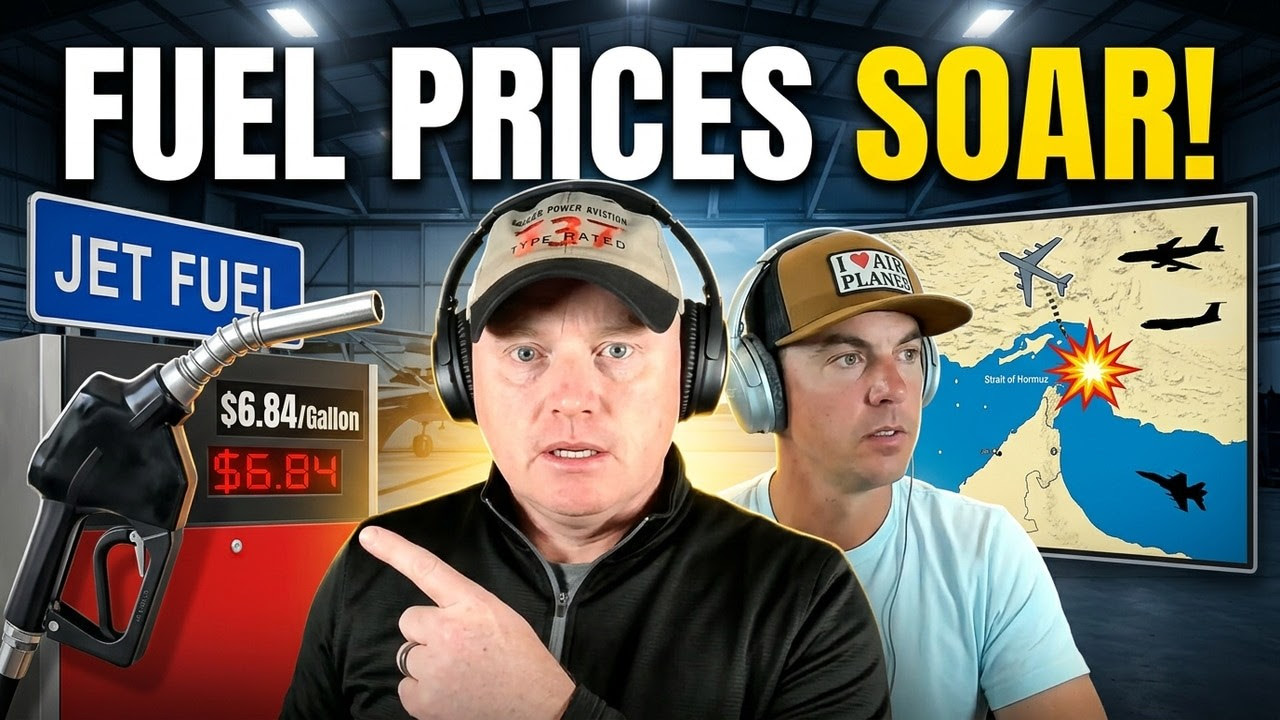
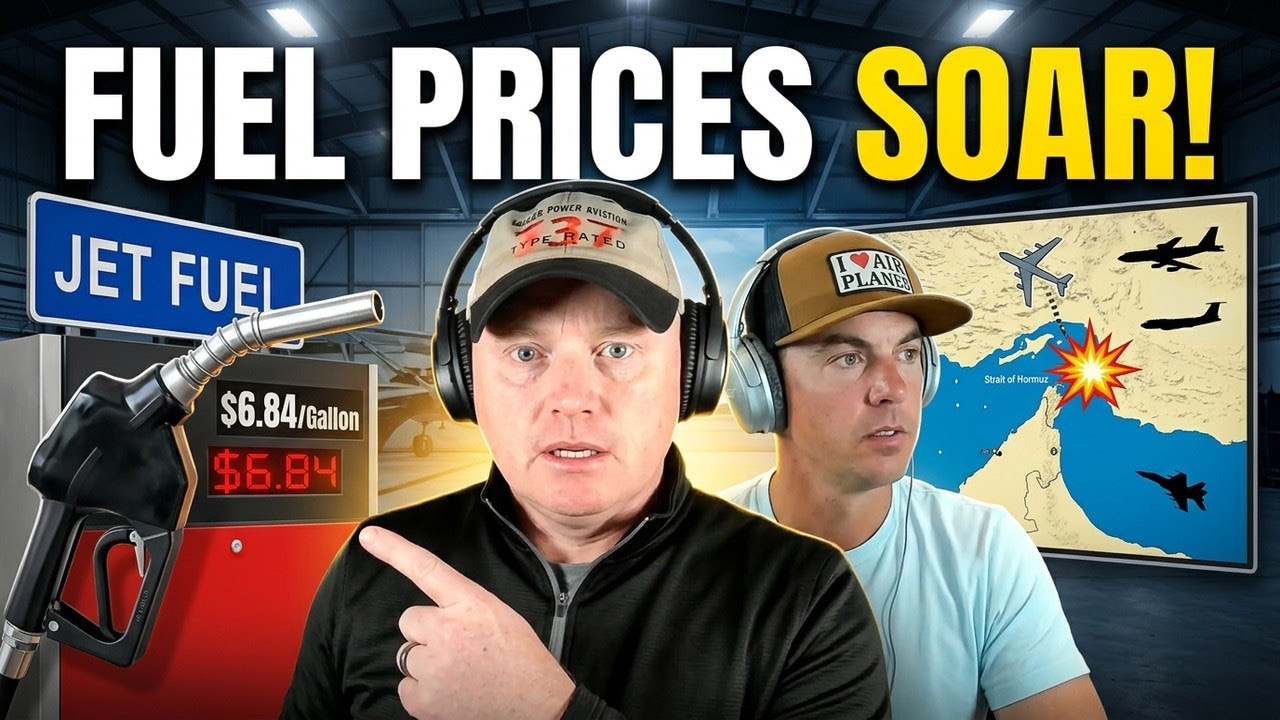
The ramifications of an incident involving a military tanker, especially in a geopolitically sensitive region, extend far beyond the immediate aviation safety concerns. As discussed in our podcast, a significant spike in jet fuel prices followed this event. This is not a mere coincidence. The KC-135s are critical for supporting long-range military operations. Any disruption or perceived threat to their operational capability can signal potential instability or increased demand for fuel in a region already prone to price volatility. The Strait of Hormuz, for instance, is a vital chokepoint for global oil transit. Events that raise tensions or hint at potential disruptions in this area can have an immediate and profound impact on oil markets, and by extension, jet fuel prices. Airlines, operating on thin margins, are acutely sensitive to fuel costs, which represent a significant portion of their operating expenses. A sudden increase, like the reported 50% spike, forces them to re-evaluate their strategies. As we touched upon in the podcast, airlines often employ mitigation techniques such as "tankering" (carrying more fuel than immediately necessary to take advantage of lower prices at different locations) and single-engine taxiing to conserve fuel. The incident over Iraq served as a stark reminder of how interconnected the world is, where a military aviation event can directly translate into higher costs for civilian travelers and impact global economic stability. The geopolitical implications are also significant, as such events can influence regional security dynamics and international relations.
Lessons Learned: Enhancing Air Safety in Complex Operations
Every aviation incident, particularly one as serious as a mid-air collision, serves as a critical learning opportunity. The lessons learned from the KC-135 crisis are invaluable for enhancing air safety, not only in military operations but also in civilian aviation. Firstly, the importance of **robust communication systems and protocols** cannot be overstated. This includes ensuring redundancy, clarity, and immediate dissemination of critical information. Investing in advanced communication technologies and rigorous training in their effective use is essential. Secondly, **enhanced situational awareness tools and training** are paramount. This might involve improved radar capabilities, more sophisticated air traffic management systems, and advanced training programs that simulate high-stress scenarios to hone crews' ability to maintain awareness. Technologies that provide real-time, three-dimensional tracking of all air traffic are becoming increasingly vital. Thirdly, **continuous review and adaptation of operational procedures** are necessary. As air operations become more complex and the operating environments more challenging, existing protocols must be evaluated for their effectiveness and updated to address emerging risks. This includes procedures for deconfliction, formation flying, and aerial refueling in congested or contested airspace. The insights from experienced A&P mechanics, as mentioned in our podcast, often provide ground-truth perspectives on aircraft systems and maintenance that can indirectly impact flight safety. Furthermore, the incident underscores the need for **international cooperation and standardization** in air traffic management, especially in shared airspace or regions with significant military and civilian air traffic. Finally, **thorough and transparent accident investigations** are crucial for identifying root causes and disseminating lessons learned. The detailed analysis of this KC-135 incident will undoubtedly contribute to the ongoing evolution of aviation safety standards and practices, ensuring that future generations of aviators can operate with even greater confidence and security.
Conclusion: Looking Ahead for Aviation Safety and Geopolitics
The mid-air collision involving the KC-135 Stratotanker over Iraq, which we thoroughly dissected in our latest episode, "Aviation Crisis: KC-135 Crash, Oil Volatility, and P-3 Orion Missions," serves as a potent reminder of the inherent risks in aviation, even with advanced technology and highly trained personnel. This incident highlights the intricate web of factors that contribute to aviation crises, from the immediate operational challenges of mid-air refueling in a complex environment to the broader geopolitical and economic consequences. The bravery of the crew who managed a miracle landing with a damaged aircraft is a testament to the human element in aviation, but it also underscores the urgent need for continuous improvement in safety protocols and technology. As we look ahead, the lessons learned from this event must be integrated into future training, operational planning, and technological development. The interconnectedness of aviation with global markets and security means that a crisis in one domain can rapidly cascade into others, affecting everything from fuel prices for commercial airlines to international diplomatic relations. By understanding and addressing these complex issues, we can strive to create a safer and more stable future for aviation and for the world. Thank you for joining us on this deep dive, and we encourage you to listen to the full episode for even more insights.
Iranian Air Power: From F-14s to Modern Threats