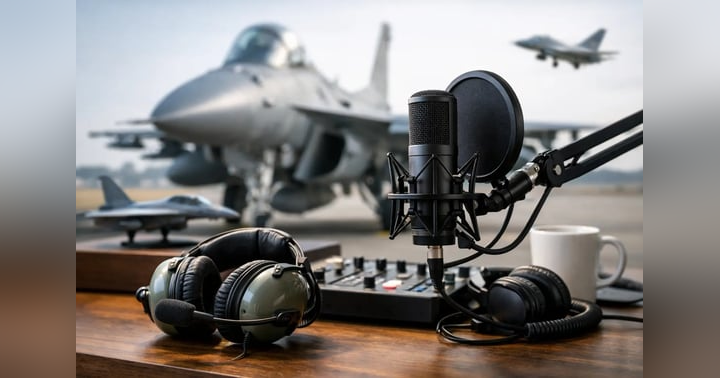
Best Plane Crash Investigation Podcast Picks

If you have ever finished an accident episode feeling more entertained than informed, you already know the problem with the average plane crash investigation podcast. Aviation accidents are dramatic by nature, but the value is not in the drama. It is in understanding how trained crews, complex machines, weather, maintenance, regulation, and plain human limits line up to create a bad day.
That is why this category matters more than most podcast niches. Done well, it teaches listeners how aviation actually works under pressure. Done poorly, it turns serious safety events into mystery theater with turbine engines in the background.
What makes a good plane crash investigation podcast
The first test is whether the host understands operations, not just storytelling. A strong accident podcast does more than retell a timeline from pushback to impact. It explains why a crew made the decisions they made, what they likely saw in the cockpit, how checklists and training factored in, and where the system around them helped or failed.
That sounds obvious, but it is where many shows lose altitude. It is easy to say a crew made an error. It is much harder, and far more useful, to explain how workload, fatigue, automation mode confusion, company culture, weather, dispatch pressure, maintenance history, and air traffic control all shape that error chain.
The second test is restraint. Good aviation analysis does not rush to assign blame. Real accident investigation is methodical and often frustratingly slow. Investigators work through wreckage, flight data, cockpit voice recordings, maintenance records, training files, weather products, radar tracks, and operating procedures. A credible podcast respects that process instead of filling gaps with confidence it has not earned.
The third test is technical clarity. Aviation listeners do not need every discussion reduced to kindergarten level, but they do need clean explanations. Terms like stabilized approach, controlled flight into terrain, unreliable airspeed, fuel imbalance, or spatial disorientation should be unpacked in plain English without losing the operational meaning.
Why listeners keep coming back to this format
There is a reason accident investigation content holds attention so well. Every crash report is a story with stakes, but unlike fictional suspense, the ending carries lessons that still matter in cockpits and control rooms today.
For aspiring pilots, these podcasts make training concepts feel real. A lesson about checklist discipline lands differently when tied to a crew that skipped one item and paid for it. For airline and military aviation followers, investigation episodes show how procedure and performance meet reality. For general enthusiasts, they answer the question behind almost every headline - how does something like this actually happen?
The best shows also respect the emotional side of the subject. An accident is never just a systems failure. It involves passengers, crews, families, and often a chain of ordinary decisions that became irreversible. That human weight should be present, but never exploited.
The difference between analysis and entertainment
A lot of podcasts can tell you what happened. Fewer can tell you why it happened in a way that stands up to scrutiny.
This is where host background matters. A narrator with no cockpit, maintenance, dispatch, or investigative experience can still produce a solid show if they do serious research and stay within their limits. But when a host understands aircraft systems, crew procedures, and operational context firsthand, the episode usually gets sharper fast. You hear it in the details they choose and the assumptions they avoid.
For example, a shallow episode may frame a go-around as a sign of panic or uncertainty. A better one explains that a go-around is often the professional move, especially when an approach becomes unstable. A weak show may treat a GPWS warning like a dramatic sound effect. A stronger show explains what the warning meant in that phase of flight, how much time the crew had, and whether terrain awareness, configuration, or automation played a role.
That distinction matters because accident content shapes how people think about aviation safety. Sensational framing makes flying seem random. Serious analysis shows that aviation is built around risk management, layered defenses, and constant learning, even when those defenses fail.
How to judge a plane crash investigation podcast before subscribing
Start with the host lineup. If the show includes airline pilots, military pilots, accident analysts, controllers, mechanics, or people who have operated in the environments being discussed, that is usually a good sign. Expertise does not guarantee quality, but it often improves the questions being asked.
Then listen for source discipline. A strong episode will make clear whether it is relying on a final report, preliminary findings, CVR excerpts, witness accounts, or media reporting. It will also separate established facts from informed interpretation. That may sound like a small thing, but it is the difference between analysis and speculation.
Pacing matters too. The best accident episodes are not in a hurry. They know where to slow down - the weather briefing, the maintenance discrepancy, the missed cue on approach, the training gap, the chain of small decisions that only looks obvious after impact. If a show spends more time on ominous music than on the accident chain, you have your answer.
Finally, pay attention to whether the podcast teaches. After one episode, you should come away with a better grasp of airmanship, safety systems, or operational decision-making. If all you got was shock value, it probably will not hold up over time.
Why pilot perspective changes the whole experience
Aviation accidents look very different when explained by people who have sat in the seat. That does not mean pilots excuse bad decisions. Usually, the opposite is true. They know how little margin exists in some phases of flight and how quickly cockpit workload can spike.
That perspective adds realism. It helps listeners understand why a crew might continue an approach a little too long, why communication can break down in a high-workload environment, or why a maintenance issue that sounded minor on paper became critical in operation. It also helps separate hindsight from reality. From the outside, many accident chains seem obvious. Inside the cockpit, with incomplete information and seconds to act, they rarely are.
This is one reason aviation audiences gravitate toward practitioner-led shows. They want more than a dramatic retelling. They want context from people who understand SOPs, CRM, automation traps, weather judgment, and the operational culture around flying.
That is also where a brand like The Black Box Aviation Podcast naturally stands out. When accident coverage is built by people who understand the professional flying world, the conversation gets more useful and a lot more credible.
Not every investigation episode needs to be about the final cause
One of the most useful signs of a mature show is that it does not fixate only on the probable cause statement. Final causes matter, but they can flatten the story if treated as the only takeaway.
Often the real value is in the surrounding lessons. Maybe the crash exposed weak simulator training for upset recovery. Maybe it highlighted poor airport infrastructure, flawed maintenance oversight, or a gap between published procedures and what line crews actually face. In military cases, it may reveal mission pressure, formation complexity, or aircraft limitations that civilians rarely hear discussed clearly.
That broader lens is what separates serious aviation media from crash content built only for clicks and downloads. A good episode leaves you thinking not just about one flight, but about how the system learns.
The best listeners are not just chasing disaster
There is sometimes an assumption that accident podcasts attract people looking for morbid content. In aviation, that is usually not the real audience. Most listeners are there because accident investigation is one of the clearest windows into how flying works.
When an episode breaks down weather decisions, approach energy, icing, pressurization issues, maintenance culture, or crew communication, it teaches the same lessons that pilots, operators, and investigators study professionally. That is why this genre appeals to everyone from student pilots and sim users to airline crews and defense aviation followers.
The key is choosing a show that respects the subject. The right plane crash investigation podcast will leave you with sharper instincts, better questions, and more respect for the discipline behind safe flight. The wrong one will leave you with adrenaline and very little else.
If you are going to spend an hour listening to an aviation accident story, spend it with voices that know what the cockpit sounds like when things start going wrong - and what the industry can still learn after the wreckage is gone.
Why an Aviation Accident Analysis Podcast Works