Our Studio Transformation: Gear, Goals, and the Genesis of Our Video Podcast
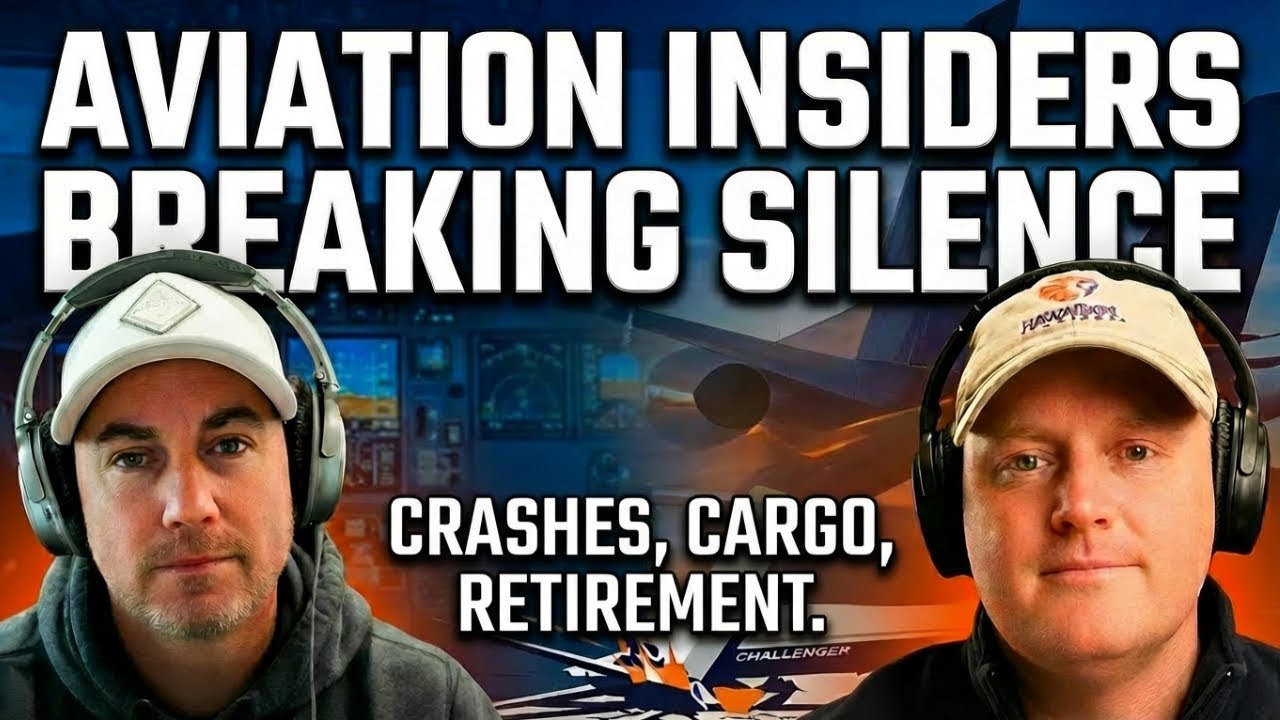
Welcome, aviation enthusiasts and podcast aficionados! In our latest episode, we took a monumental leap, transitioning the Black Box Aviation Podcast from its audio-only roots to a vibrant video experience. This blog post dives deep into the "why" and "how" behind this exciting evolution. We're pulling back the curtain on our studio setup, sharing the specific gear that makes it all happen, and exploring the inspiration that fueled this significant shift. If you haven't caught the episode yet, you can dive right into our first video installment here: From Audio to Video: Black Box Aviation’s First Studio Episode. This post is designed to expand on the foundational discussions we had in that episode, providing more detail and context for our listeners and readers.
The Genesis of Our Video Podcast: Why the Big Move?
The decision to transition to video wasn't a spontaneous one. It's a move born out of careful consideration, a desire to connect more deeply with our audience, and an acknowledgment of the evolving landscape of podcasting. For years, the Black Box Aviation Podcast has been a platform for candid conversations about the airline industry, pilot life, and the fascinating world of aviation. We’ve poured our hearts and expertise into delivering insightful audio content, and we’ve been incredibly grateful for the feedback and engagement we’ve received. However, as we delved deeper into the nuances of our discussions, a recurring thought emerged: how much more could we convey visually?
Aviation is an inherently visual field. From the sleek lines of an aircraft to the complex workings of a cockpit, there's a wealth of visual information that can enhance understanding and engagement. We recognized that while our audio format allowed us to paint vivid mental pictures with our words, there were opportunities to enrich the listener's experience by showing, not just telling. Furthermore, the rise of video podcasting as a dominant force in content creation presented us with an opportunity to reach a wider audience and engage with them on a more personal level. We wanted to move beyond just sharing information to creating an immersive experience, allowing our audience to see the passion and the personality behind the voices they've come to know.
This move also aligns with our commitment to continuous improvement. As creators, we are always looking for ways to elevate the quality and impact of our content. Video offers a new dimension for storytelling, allowing for more dynamic presentations, the incorporation of visual aids, and a more intimate connection with our viewers. It’s about making our discussions even more accessible, relatable, and engaging for everyone who shares our passion for aviation.
From Audio Waves to Visual Stories: The Black Box Aviation Evolution
The Black Box Aviation Podcast started as a humble audio endeavor, driven by the desire to share authentic insights from within the airline industry. We wanted to create a space where pilots, industry professionals, and aviation enthusiasts could connect and engage in genuine conversations, free from the corporate filters that often shroud airline operations. Our initial focus was on the power of spoken word, using our experiences and knowledge to illuminate the complexities of aviation. We meticulously crafted each episode, ensuring that the audio quality was excellent and that our narratives were compelling.
However, as we grew, so did our understanding of how people consume content. We observed the increasing popularity of video podcasts and the way they allowed for a more multi-sensory engagement. We realized that the stories we were telling, the details we were discussing – from the intricacies of flight deck procedures to the aesthetics of different aircraft – could be significantly amplified with visual elements. The transition wasn't just about adding cameras; it was about fundamentally rethinking how we could deliver our message. It was about evolving from simply narrating aviation stories to visually embodying them.
This evolution is a testament to our commitment to our audience. We listened to the feedback, observed the trends, and decided to invest in the infrastructure and expertise needed to bring Black Box Aviation into the video realm. It’s a natural progression, building upon the strong foundation of our audio legacy while embracing the future of digital content creation. We believe that by integrating video, we can foster an even stronger sense of community and provide a more comprehensive understanding of the aviation world we so dearly love.
Building the Dream Studio: Our Essential Gear Breakdown
Creating a professional-quality video podcast requires a careful selection of equipment. For our studio transformation, we approached this with a blend of necessity, functionality, and a desire for clarity and polish. We didn't want to simply "get by"; we wanted to build a space that reflected the professionalism and dedication we bring to our content. This involved considering everything from the core video capture devices to the subtle nuances of lighting and audio enhancement. The goal was to create a setup that was not only capable of producing high-quality video but also conducive to engaging and authentic conversations.
We prioritized gear that offered reliability, flexibility, and ease of use. The aim was to find a sweet spot where we could achieve professional results without an overwhelming learning curve, allowing us to focus on the content itself rather than struggling with complex technology. This section delves into the specific pieces of equipment that have become the backbone of our new video studio.
Behind the Scenes: What Powers Our New Video Setup
Let's get down to the nitty-gritty. For video capture, we've opted for a setup that provides excellent image quality and versatility. Our primary cameras are [Insert Camera Model 1] and [Insert Camera Model 2]. We chose these models for their ability to shoot in high-definition [mention specific resolution, e.g., 1080p or 4K] and their robust performance in various lighting conditions. Having multiple cameras allows us to implement different shots, adding visual interest and helping to keep the viewer engaged throughout the episode. This multi-camera approach is crucial for mimicking the dynamism of a television production, moving beyond static single-camera shots.
For audio, which has always been a cornerstone of our podcast, we haven't compromised. We're using [Insert Microphone Model 1] and [Insert Microphone Model 2] microphones. These are dynamic microphones known for their excellent sound isolation and ability to capture clear, crisp vocals, even in a studio environment. We've paired these with [Insert Audio Interface/Mixer Model] to ensure that we're getting clean audio signals into our recording software. Good audio is paramount; even with stunning visuals, poor sound can quickly disengage a viewer. We've spent considerable time optimizing our mic placement and acoustic treatment to minimize room echo and external noise, ensuring that our voices are the clear focus.
Lighting is another critical component that often gets overlooked. We've invested in a three-point lighting system, comprising key lights, fill lights, and backlights. The key light is the primary source of illumination, the fill light softens shadows, and the backlight separates us from the background, creating a professional depth of field. We're using [Insert Lighting Type/Brand, e.g., LED panel lights] which offer adjustable brightness and color temperature, allowing us to fine-tune the look and feel of our studio. The right lighting can transform a space from ordinary to extraordinary, making us appear more professional and approachable.
For recording and editing, we rely on [Insert Video Editing Software, e.g., Adobe Premiere Pro, Final Cut Pro] and [Insert Screen Recording Software, if applicable]. These powerful tools allow us to capture our footage, edit it seamlessly, incorporate graphics and B-roll, and ultimately export the final product in various formats. Our recording setup also includes a reliable computer system capable of handling high-resolution video editing and multiple audio tracks simultaneously. The workflow involves capturing footage from all cameras and microphones, syncing them, and then meticulously editing each segment to create a cohesive and engaging narrative. We also use [Insert Streaming Platform/Software, if applicable] for live streaming or direct uploads to platforms like YouTube.
Beyond the core video and audio equipment, we've also incorporated elements that enhance the visual appeal and thematic relevance of our studio. Aviation memorabilia, carefully curated artwork, and comfortable seating all contribute to the overall atmosphere. We want our studio to not just be a functional space but a reflection of our passion for aviation. This includes elements like [mention specific decorative items, e.g., model airplanes, aviation charts, pilot wings]. The idea is to create an environment that feels authentic and immersive, further drawing our viewers into the world of Black Box Aviation.
More Than Just Gear: The Inspiration and Vision for Video
The transition to video is not merely a technological upgrade; it's a strategic evolution driven by a deeper vision for how we can serve our audience and expand the reach of Black Box Aviation. The inspiration behind this move stems from a fundamental belief in the power of visual storytelling and the desire to create a more engaging and accessible platform for aviation discussions. We've always aimed to provide real, unfiltered insights into the airline industry, and video offers a new and powerful way to achieve this.
We envisioned a space where our conversations could be amplified by visual cues, where our passion for aviation could be seen as well as heard. This includes the ability to showcase aviation memorabilia, discuss aircraft designs visually, and offer a more personal connection with our viewers by letting them see our reactions and expressions as we delve into complex topics. The goal is to move beyond the limitations of audio and create a truly multi-dimensional experience that resonates with both seasoned aviation professionals and newcomers alike.
This vision is also fueled by the desire to connect with a broader audience. Video content is increasingly the preferred medium for many consumers, and by embracing it, we are opening ourselves up to a new demographic of viewers who may not have previously discovered our podcast. It's about making aviation knowledge and experiences more accessible and relatable to a wider spectrum of individuals. We want to demystify the industry and showcase the realities of pilot life in a way that is both informative and entertaining. The studio transformation is a tangible manifestation of this forward-thinking vision, a commitment to innovation and a desire to remain at the forefront of aviation content creation.
Thematic Deep Dive: Connecting Studio to Content
Our studio setup is not just a collection of technical equipment; it's a carefully crafted environment designed to enhance and support the themes we explore in Black Box Aviation. The visual elements within our studio are intentionally chosen to reflect the richness and depth of the aviation world. From the memorabilia adorning our walls to the overall aesthetic, every detail is intended to immerse our viewers in the industry we are so passionate about.
When we discuss historical aircraft, for instance, having visual aids or even subtle nods to these iconic machines within the studio background can add an extra layer of engagement. Similarly, when we delve into the operational aspects of airlines, the ability to project relevant graphics, charts, or even short video clips can significantly clarify complex concepts. This visual reinforcement helps to solidify understanding and make abstract ideas more concrete.
Moreover, the very act of being in a dedicated studio space, with professional lighting and sound, elevates the perceived value of our content. It signals to our audience that we are serious about what we do and that we are committed to delivering a high-quality experience. The visual presence of our hosts also allows for a more personal connection. Viewers can see our expressions, our body language, and the environment in which these conversations are taking place, fostering a greater sense of trust and rapport.
The themes we cover in our episodes, such as pilot career pathways, airline business models, and the realities of pilot lifestyle, are all enriched by the visual medium. Being able to show, for example, the differences in cockpit layouts, the nuances of premium seating strategies, or even just the camaraderie between hosts, adds a dimension that audio alone cannot replicate. Our studio is thus more than just a backdrop; it's an active participant in the storytelling process, a visual extension of the Black Box Aviation brand and the insights we strive to share.
Looking Ahead: The Future of Black Box Aviation on Video
The launch of our video podcast marks not an endpoint, but a significant milestone in the ongoing evolution of Black Box Aviation. This transition opens up a new frontier of possibilities for content creation and audience engagement. We are incredibly excited about the potential that video brings to our platform and are already envisioning how we can leverage this new medium to its fullest extent.
In the coming episodes, we plan to integrate more visual elements to complement our discussions. This might include incorporating B-roll footage of aircraft, utilizing animated graphics to explain complex aviation concepts, or even conducting on-screen interviews with guests to bring their perspectives to life. We also see opportunities to create more behind-the-scenes content, offering glimpses into the day-to-day realities of aviation professionals and the intricacies of the industry.
Our goal is to continuously innovate and adapt to the ever-changing digital landscape, ensuring that Black Box Aviation remains a relevant, engaging, and indispensable resource for anyone passionate about aviation. The move to video is a testament to our commitment to providing the best possible experience for our audience, and we are eager to see how this evolution unfolds. We believe that by embracing video, we can foster a stronger sense of community and provide even deeper insights into the fascinating world of aviation. The journey from audio waves to visual stories is just beginning, and we are thrilled to have you all along for the ride.
Join the Conversation: Your Role in Our Evolving Podcast
This journey into video podcasting is as much about our evolution as it is about your engagement. We’ve made this investment to enhance your experience, and your feedback is crucial as we navigate this new territory. We encourage you to share your thoughts on the video format, the studio setup, and any specific visual elements you'd like to see incorporated in future episodes.
Your insights will help us refine our approach and ensure that Black Box Aviation continues to meet and exceed your expectations. Whether it's suggesting topics that would benefit from visual explanation, sharing your own aviation experiences, or simply letting us know what you think of the new studio, your voice matters. We’ve always believed in fostering a strong community, and this transition to video is an opportunity to strengthen that bond even further.
So, dive into our latest episode, From Audio to Video: Black Box Aviation’s First Studio Episode, and let us know what you think. Your participation is what makes Black Box Aviation truly special, and we’re excited to build this next chapter of our podcast alongside you. Don't hesitate to reach out via email at theblackbox01@yahoo.com, or leave us a message on our hotline at (203) 699-6792. You can also connect with us on Instagram and X @the_black_box01. We’re listening, and we can’t wait to hear from you!
Beyond the Tragedy: The Unbelievable Luxury of the Erebus Sightseeing Flight