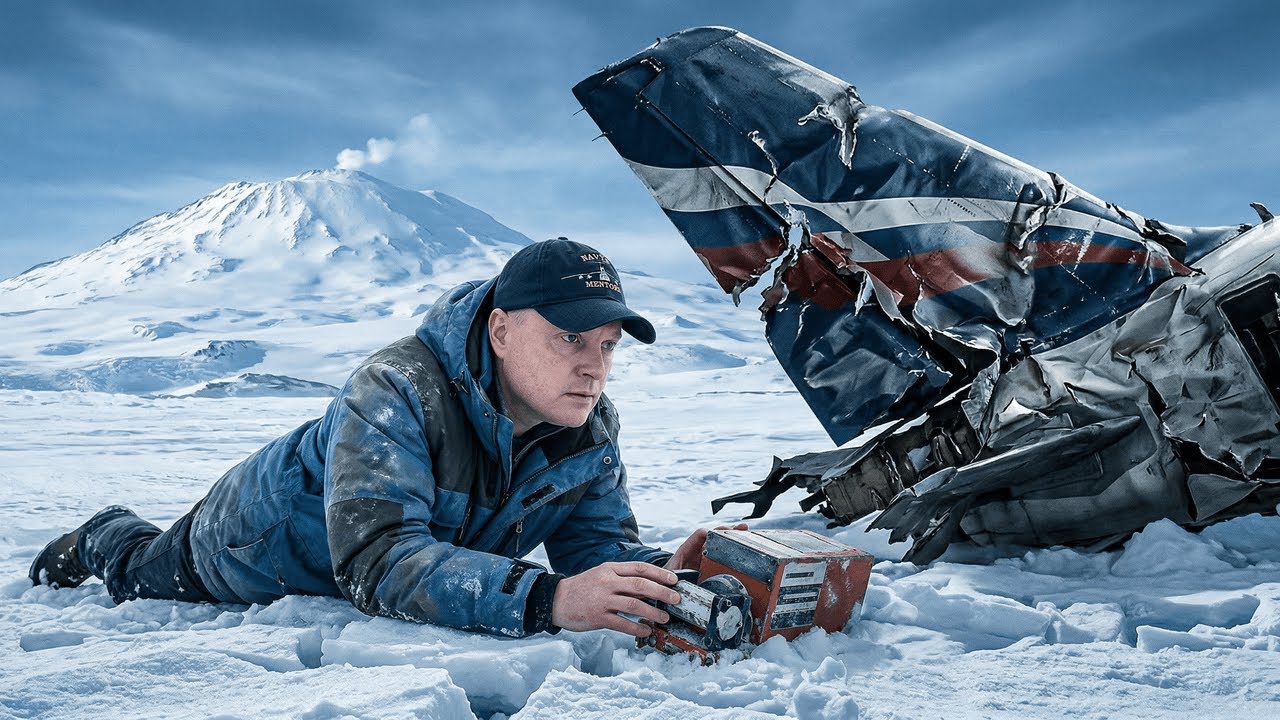
Beyond the Tragedy: The Unbelievable Luxury of the Erebus Sightseeing Flight
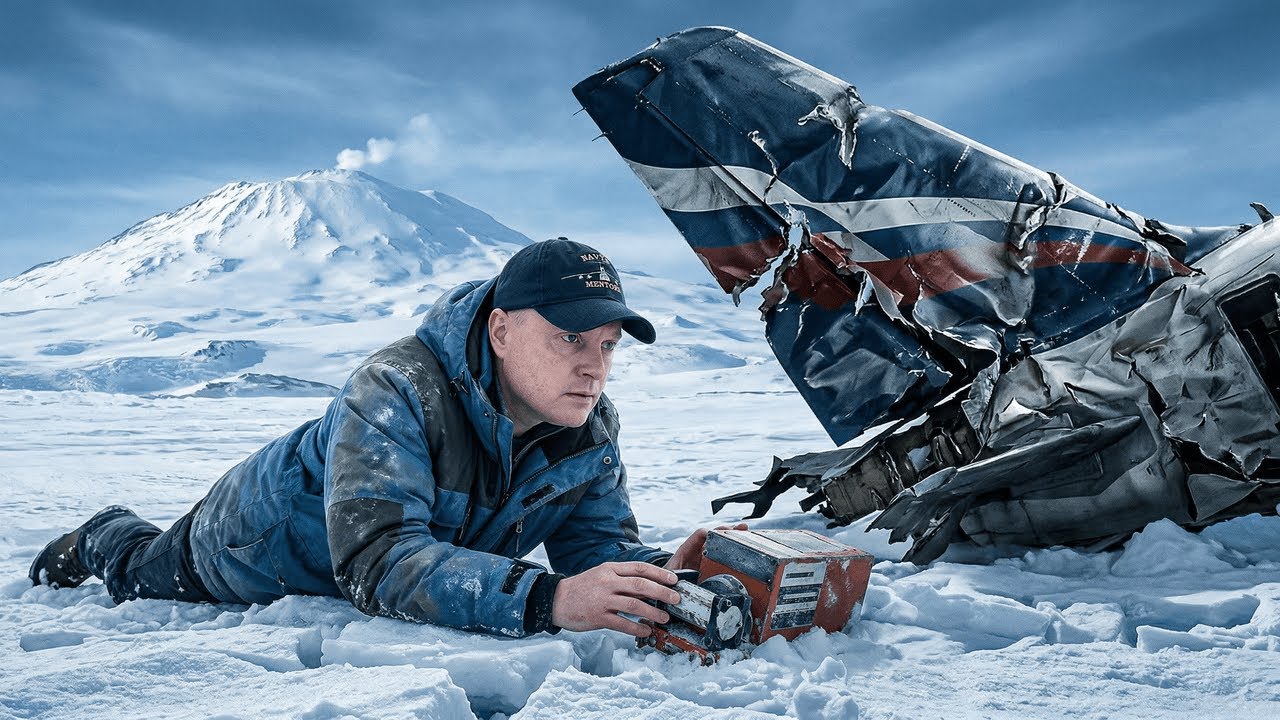
Welcome back to the blog, aviation enthusiasts! In our latest episode, we delved into the tragic events of Air New Zealand Flight 901, a flight that remains etched in aviation history for all the wrong reasons. Today, however, I want to take a step back and explore a different facet of this story – the incredible luxury and unparalleled experience that Air New Zealand Flight 901, the Erebus sightseeing flight, offered its passengers before the disaster struck. It's a stark and important reminder that behind every aviation tragedy, there were dreams, ambitions, and in this case, an extraordinary commitment to passenger comfort and experience. You can catch up on the full episode here: The Mount Erebus Disaster: A Fatal Error in the Flight Plan.
A Dream of Antarctica: The Allure of Air New Zealand Flight 901
In the late 1970s, the idea of flying to Antarctica was, for most people, an almost unimaginable feat. It conjured images of intrepid explorers battling harsh conditions, a stark contrast to the everyday lives of most. Air New Zealand, however, saw an opportunity to democratize this ultimate adventure, to transform it from an expedition reserved for the brave few into a luxurious escapade accessible to those with a taste for the extraordinary. Flight 901 wasn't just a flight; it was positioned as a once-in-a-lifetime journey, a chance to witness the pristine, untouched beauty of the Antarctic continent in unparalleled comfort.
The allure was undeniable. Imagine soaring over a landscape so alien and majestic that it felt like another planet. The flight path was meticulously designed to offer breathtaking views of the Ross Ice Shelf, the Transantarctic Mountains, and, of course, the majestic Mount Erebus itself. This was not a typical commercial flight. It was a dedicated sightseeing tour, a curated experience aimed at providing passengers with not just a destination, but a profound and awe-inspiring journey. The marketing played on this sense of wonder, promising an adventure that would be etched in memories forever. People booked these flights not just for a holiday, but for an experience that was truly beyond the ordinary, a chance to touch the edges of the world and return with stories to tell for a lifetime.
The DC-10 aircraft, chosen for its capacity and long-range capabilities, was transformed into a flying lounge. It was fitted with spacious seating, large windows designed for optimal viewing, and an ambiance that whispered exclusivity and adventure. The anticipation building up to the flight must have been palpable. Passengers were not just boarding an airplane; they were embarking on an expedition, albeit one where their every need would be catered to with the utmost care and attention. The idea of seeing the frozen continent, a place of myth and legend for so many, from the comfort of a plush seat, with gourmet food and impeccable service, was a powerful draw.
Gourmet Dining at 30,000 Feet: The Culinary Delights of the Erebus Flight
Air New Zealand understood that a journey to the bottom of the world demanded a dining experience that matched the grandeur of the destination. This wasn't about a pre-packaged sandwich and a lukewarm beverage. The Erebus sightseeing flights were renowned for their commitment to fine dining, even at 30,000 feet. The airline spared no expense in ensuring that the culinary journey was as memorable as the aerial spectacle.
Menus were crafted by talented chefs, featuring a selection of exquisite dishes that were both innovative and appealing. Passengers could expect multi-course meals, often including choices of high-quality meats, fresh seafood, and decadent desserts. The emphasis was on fresh, seasonal ingredients, prepared with the precision and artistry expected in a top-tier restaurant. Think of delicately prepared lobster, perfectly cooked steaks, and elegantly presented pastries – all served with a level of service that made each meal feel like a special occasion.
The beverage selection was equally impressive. Fine wines, chosen to complement the meal, were readily available, alongside premium spirits and a range of non-alcoholic options. Champagne flowed freely, adding to the celebratory atmosphere that permeated these flights. It wasn't just about sustenance; it was about indulgence, about enhancing the overall sense of luxury and occasion. The flight attendants were trained to present each dish with flair, to ensure that the dining experience was seamless and enjoyable, even amidst the unique environment of an Antarctic flight.
The presentation of the meals was also paramount. Silverware gleamed, fine china was used, and the table settings were elegant. This attention to detail elevated the dining experience beyond mere consumption, turning it into an integral part of the overall journey. Passengers were not just eating; they were being treated to a culinary adventure that mirrored the exotic nature of their destination. The juxtaposition of gourmet food and the stark, icy landscapes outside the windows created a surreal and unforgettable sensory experience. It was a testament to Air New Zealand's ambition to create a truly holistic luxury travel product.
An Army of Care: The Extensive Cabin Crew and Unmatched Service
One of the most striking aspects of the Erebus sightseeing flights, and a detail often highlighted in discussions of its pre-disaster persona, was the sheer scale of the cabin crew. While a standard international flight might have a handful of flight attendants, Air New Zealand deployed an "army of care" for Flight 901. With an extensive roster, often numbering around 36 cabin crew members, the level of personalized attention and service provided was truly exceptional.
This wasn't just about having more hands to serve meals or clear trays. The large crew allowed for a much higher passenger-to-attendant ratio, meaning that each passenger received an unprecedented level of individual attention. Flight attendants were not just there to ensure safety and serve; they were integral to the luxury experience. They were trained to be attentive to every need, to anticipate desires, and to create a warm, welcoming, and almost pampered atmosphere.
Imagine a flight where any request, no matter how small, was met with a prompt and friendly response. Need an extra blanket? A glass of champagne? Information about the landscape unfolding below? The abundance of crew members ensured that these requests were not only met swiftly but with a genuine desire to please. They were ambassadors of the Air New Zealand brand, embodying the airline's commitment to excellence and its vision for this unique Antarctic journey.
This extensive crew also allowed for a more engaging passenger experience. They were often seen interacting with passengers, sharing insights about the flight path, pointing out landmarks, and generally fostering a sense of camaraderie and shared adventure. They contributed to the feeling of being on a special, exclusive journey, far removed from the hustle and bustle of everyday life. The meticulous training and dedication of these individuals were key to delivering the promise of an unforgettable experience. They were the human element that transformed a flight into a truly luxurious and personalized adventure.
A Stamp of Approval: Sir Edmund Hillary's Endorsement of the Antarctic Journey
When aiming to offer a journey to Antarctica, there was perhaps no greater endorsement than that of Sir Edmund Hillary. The legendary mountaineer, the first person to conquer Mount Everest, was intrinsically linked with exploration and the frozen continent. His association with Air New Zealand's Antarctic flights lent an unparalleled air of credibility and excitement to the venture.
Sir Edmund Hillary didn't just passively lend his name; he actively participated in and promoted these flights. His presence, whether in promotional materials or at events associated with the flights, served as a powerful testament to the significance and allure of the journey. For many, his endorsement was a guarantee of authenticity and adventure. If Sir Edmund Hillary, a man who had braved the harshest conditions on Earth, vouched for the experience, then it must be truly special.
His deep knowledge and passion for Antarctica undoubtedly resonated with potential passengers. He could speak with authority about the unique beauty and challenges of the continent, making the prospect of witnessing it firsthand even more compelling. Air New Zealand leveraged this association brilliantly, positioning the flights as a way for ordinary people to experience a taste of the adventure that Sir Edmund Hillary himself had championed.
This endorsement went beyond mere marketing; it imbued the flights with a sense of legacy and purpose. It connected the passengers to the grand tradition of Antarctic exploration, suggesting that they, too, were part of a lineage of adventurers, albeit those enjoying a more comfortable mode of travel. His belief in the project and his passion for Antarctica were infectious, contributing significantly to the overwhelming desire to book a seat on Flight 901. It was a crucial element in making the dream of an Antarctic journey a tangible and highly sought-after reality.
More Than Just a Flight: The Promise of an Unforgettable Adventure
What truly set Air New Zealand Flight 901 apart was its promise. It wasn't just selling a mode of transportation; it was selling an experience, a memory, an adventure that transcended the ordinary. The marketing, the service, the dining – all converged to create a narrative of an unparalleled journey to one of the last true wildernesses on Earth.
Passengers weren't just flying; they were embarking on a voyage of discovery. The flight offered a unique perspective on a continent that had, for centuries, been the domain of explorers and scientists. The ability to witness its vast ice shelves, dramatic mountain ranges, and the stark beauty of its polar landscapes from the comfort of a luxurious aircraft was a revolutionary concept. The promise was to bring the magic of Antarctica to a wider audience, allowing them to experience its raw beauty in a way that was previously unimaginable.
The entire journey was designed to be immersive. Briefings were provided about the geography, the wildlife (though less common on the Erebus routes), and the history of Antarctic exploration. The flight path itself was a carefully curated itinerary of natural wonders. The anticipation of seeing a colossal iceberg or the vast expanse of the Ross Ice Shelf was a significant part of the appeal. The flight was engineered to maximize the awe-inspiring views, with the aircraft often circling points of interest to allow passengers ample time to soak in the scenery.
This was an investment in a memory. People booked these flights for anniversaries, special birthdays, or simply as a way to tick a major item off their bucket list. The anticipation of the trip, the journey itself, and the stories they would bring back were all part of the package. Air New Zealand understood that they were selling more than just airline tickets; they were selling a dream, a moment of extraordinary adventure that would be recounted for years to come. The entire experience was meticulously crafted to deliver on that promise of an unforgettable adventure.
A Stark Contrast: Remembering the Luxury Before the Tragedy
It is impossible to discuss the luxury of the Erebus sightseeing flights without acknowledging the devastating tragedy that followed. The stark contrast between the idyllic promise and the horrific reality serves as a poignant reminder of the fragility of life and the unpredictable nature of events, even in the most controlled environments.
The stories of gourmet meals, attentive service, and the endorsement of Sir Edmund Hillary paint a vivid picture of an experience that was designed for pure enjoyment and wonder. This was a flight that symbolized aspiration, adventure, and the very best of what commercial aviation could offer. It was a testament to Air New Zealand's ambition and its ability to craft truly unique and memorable travel experiences.
However, the memory of that luxury is now inextricably linked with the loss of 257 lives. The DC-10 that carried eager passengers on a dream journey became a symbol of a catastrophic failure. This juxtaposition is a difficult one, but it's crucial to remember the "before." Remembering the luxury and the meticulous planning that went into making Flight 901 such a desirable trip is not to diminish the tragedy, but to understand the full scope of what was lost. It highlights the human element, the dreams, and the expectations that were tragically unfulfilled.
In our podcast episode, we explored the technical and human factors that led to the disaster. Understanding the extraordinary lengths to which Air New Zealand went to create a luxurious and safe passenger experience before the accident adds another layer of poignancy to the story. It underscores the profound impact of the error, not just on the immediate victims, but on the aspirations and the very fabric of what that flight was intended to be. It serves as a powerful reminder of the importance of vigilance, meticulous planning, and the constant pursuit of safety in aviation. The luxury of the Erebus flights is a chapter of its story, one that should be remembered, even as we grapple with the devastating events that followed.

Our Studio Transformation: Gear, Goals, and the Genesis of Our Video Podcast