What Makes a Great Pilot Stories Podcast?
Most aviation content gets the altitude right and the texture wrong. Not all Podcast about Pilot Stories are created equal.
It can describe a diversion, a go-around, or an emergency descent, but it often misses the part that makes pilots keep listening - what it felt like in the cockpit, what the crew noticed first, what procedures mattered, and which details only stand out once you have actually flown the airplane. That gap is exactly why an airline pilot stories podcast has real staying power when it is done well.
For aviation enthusiasts, aspiring pilots, and current crews, these shows are not just entertainment. They are one of the few formats where operational reality can come through in full: decision-making under pressure, airline culture, training standards, CRM, fatigue, weather, maintenance coordination, and the strange mix of routine and unpredictability that defines airline flying.
Why an airline pilot stories podcast works
Airline flying produces stories naturally, but not always for the reasons non-pilots expect. The public tends to focus on dramatic moments - engine failures, severe turbulence, diversions, close calls. Those certainly matter, and they make for compelling episodes when handled with discipline. But some of the best stories come from ordinary line flying where a small change in weather, dispatch planning, gate availability, or crew timing turns a standard day into a lesson in judgment.
That is what separates this niche from generic travel or aviation talk. A strong airline pilot stories podcast is not built on shock value. It is built on context.
When a captain explains why a stable approach matters, or why a minor system issue can reshape an entire flight, the audience gets more than a story. They get a window into how airline operations actually work. That matters whether the listener is a student pilot trying to picture the career ahead, a sim user trying to understand realism beyond checklists, or an enthusiast who wants more than headlines after an incident.
The difference between pilot storytelling and pilot analysis
The best podcasts in this space usually blend two modes: storytelling and analysis.
Storytelling gives aviation its human dimension. It puts the listener in the seat during a difficult arrival, a reroute through weather, an international layover gone sideways, or a training event that changed how a pilot flies. These episodes work because they carry tension, pacing, and personality. They also reveal the professional habits behind the scenes - briefings, callouts, checklist discipline, workload management, and crew coordination.
Analysis is what gives those stories weight. Without it, even a dramatic account can turn into hangar talk with a microphone. With good analysis, the audience learns why the event unfolded the way it did, what barriers worked, where risk accumulated, and which lessons apply beyond one flight.
That blend is where a serious aviation audience stays engaged. Pure storytelling can drift into anecdote. Pure analysis can become dry. Together, they give listeners something much harder to find: authentic pilot perspective with technical credibility.
What listeners actually want from these shows
People searching for an airline pilot stories podcast are usually looking for one of three things, even if they do not say it that way.
First, they want access. Most people will never sit on a jumpseat, attend an airline briefing, or hear two experienced pilots compare how they handled the same weather system in different aircraft. Podcasting creates a version of that access.
Second, they want clarity. Aviation incidents get flattened fast online. A headline mentions smoke in the cabin or a near miss, and within hours the conversation is full of bad assumptions. A credible pilot-led show can slow that down and explain the difference between abnormal and catastrophic, between procedural workload and actual loss of control, between a scary passenger experience and a crew situation that remained inside the system's safety margins.
Third, they want career reality. Airline flying is attractive for obvious reasons, but the path is less glamorous than many newcomers expect. Good pilot story podcasts show the appeal and the trade-offs: commuting, reserve life, upgrade timing, training pressure, changing schedules, and the fact that professionalism is mostly built in routine, not in cinematic moments.
What separates a credible show from aviation content noise
This category has grown, which is good for listeners. It also means there is more surface-level content competing for attention.
A credible airline pilot stories podcast usually has a few recognizable traits. The hosts or guests have direct operational experience and can explain not just what happened, but why certain decisions were sensible at the time. They understand the limits of hindsight. They avoid overstating certainty when facts are incomplete. They know the difference between an informed breakdown and armchair speculation.
That last point matters more than it sounds. Aviation is full of stories that become distorted because people rush to identify a villain, a single cause, or one dramatic turning point. Real operations are messier. Weather interacts with fuel, ATC flow, fatigue, maintenance status, training background, SOP interpretation, and human factors. A trustworthy show respects that complexity without making the listener work too hard to follow it.
Tone matters too. If every event is presented like a disaster movie trailer, experienced listeners tune out. If every episode sounds like a technical bulletin, newer listeners drift away. The sweet spot is controlled intensity - enough narrative momentum to keep the story alive, enough restraint to maintain credibility.
Why the format fits aviation so well
Podcasting is especially effective for pilot stories because aviation is spoken culture.
Pilots learn from manuals, yes, but they also learn from debriefs, recurrent training discussions, jumpseat conversations, and war stories that carry an operational lesson. The spoken format captures timing, judgment, uncertainty, and personality in ways a written transcript often cannot.
You can hear when a crew member recognized a problem early. You can hear where workload spiked. You can hear the difference between a polished retelling and a memory that still carries some adrenaline. For listeners, that voice-level detail creates trust.
It also makes technical subjects easier to absorb. A discussion about unstable approaches, GPWS alerts, military intercept procedures, or high-altitude radiation exposure can feel abstract in text. In an audio conversation, especially one led by professionals, those same topics become concrete and memorable.
The trade-offs in this genre
There is one obvious challenge with pilot-led content: authenticity does not always equal clarity.
A real airline pilot may tell a brilliant story but assume too much background knowledge. Acronyms pile up. Aircraft-specific language takes over. Important context gets skipped because to the speaker it feels obvious. On the other hand, a host who simplifies too aggressively can strip away the operational detail that serious listeners came for in the first place.
So the best shows make constant judgment calls. How much technical depth is enough? How much explanation slows the pacing? When should a host let a pilot speak naturally, and when should they stop and define a term for newer listeners?
It depends on the audience and the episode. A story about line flying culture can stay conversational. An accident analysis needs more structure. A military-airline crossover discussion may need extra context because the assumptions and procedures can differ sharply. Good aviation media understands these shifts instead of forcing every topic into the same rhythm.
What a strong episode leaves you with
A memorable episode does more than recount an event. It changes how you listen to aviation.
After a good story, an aspiring pilot understands that professionalism is often quiet and procedural. An enthusiast starts hearing airline news with more skepticism and more nuance. A current pilot may recognize a familiar trap in decision-making or revisit a technique they had allowed to become too casual.
That is the real value of this category. It gives people a better mental model of flight operations - not the polished version from recruiting materials, and not the distorted version from viral clips, but the one built from experience, discipline, and honest reflection.
That is also why shows like The Black Box Aviation Podcast fit the space so naturally. When the conversation comes from people who have actually flown, instructed, analyzed, or operated inside these systems, the stories carry more than entertainment value. They become a way of understanding the industry from the inside out.
If you are choosing what to listen to next, look for the podcast that respects both halves of the equation: the story and the standard. The best airline pilot stories podcast will give you cockpit perspective, but it will also leave you thinking harder about how aviation really works.
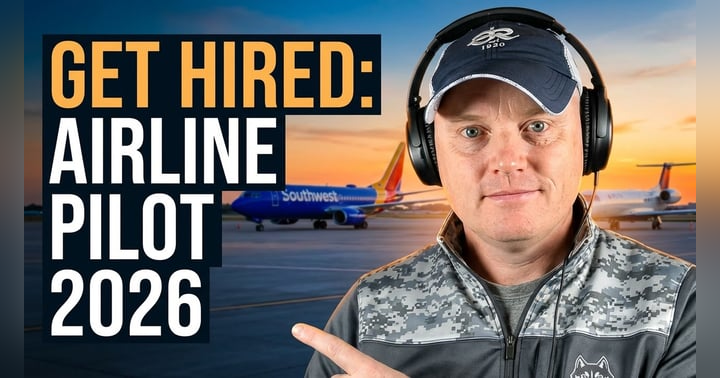
The 'Scrub' is Real: What Major Airlines Look For in Pilot Candidates for 2026